- Explore the historic landmarks of Delhi
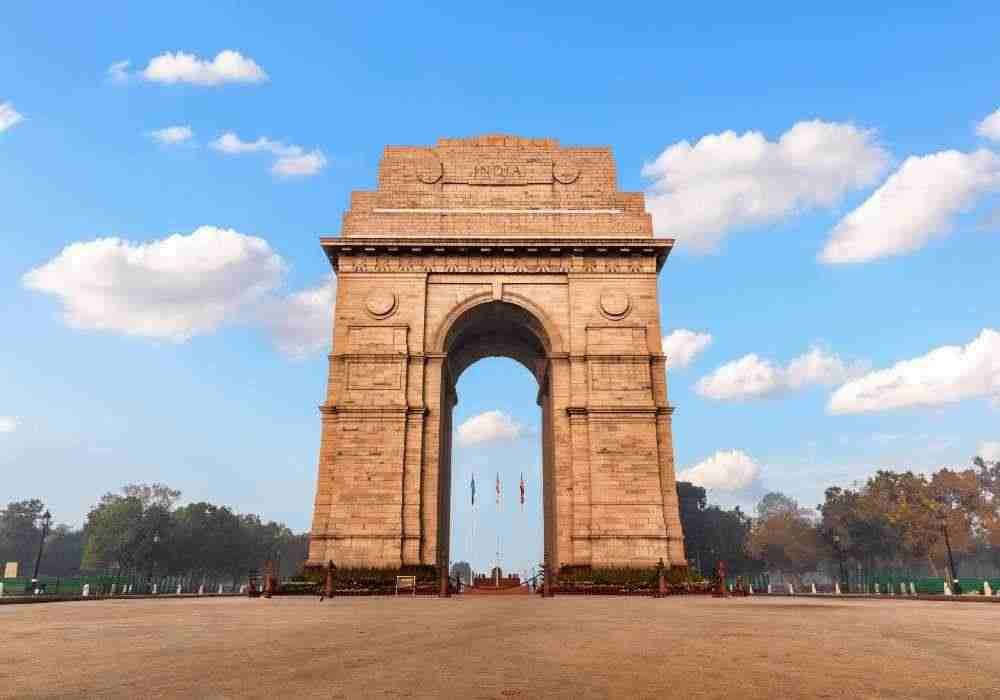
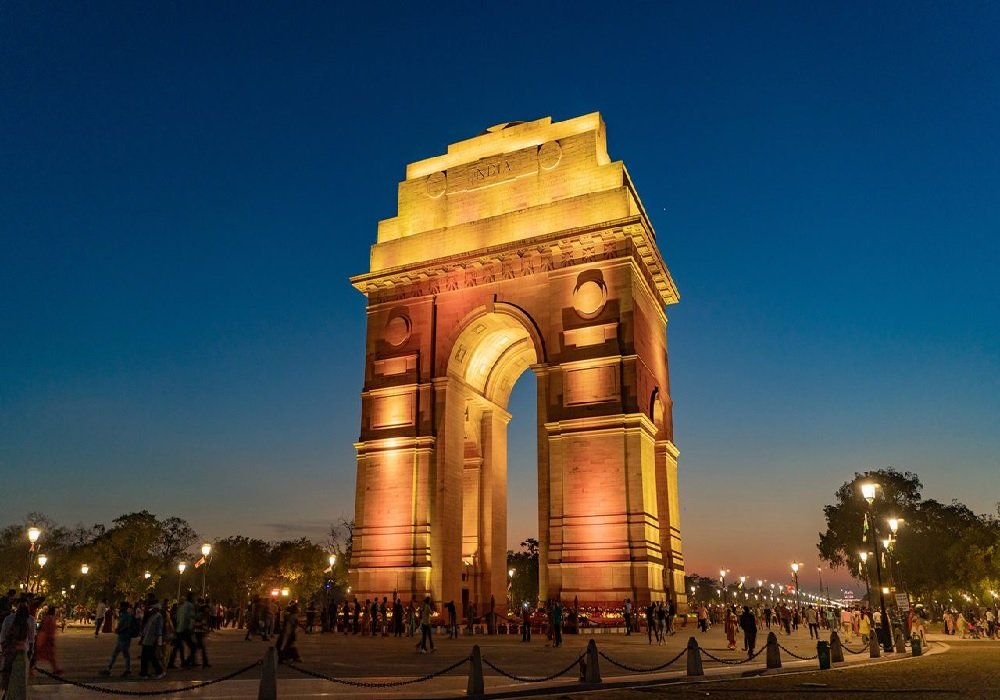
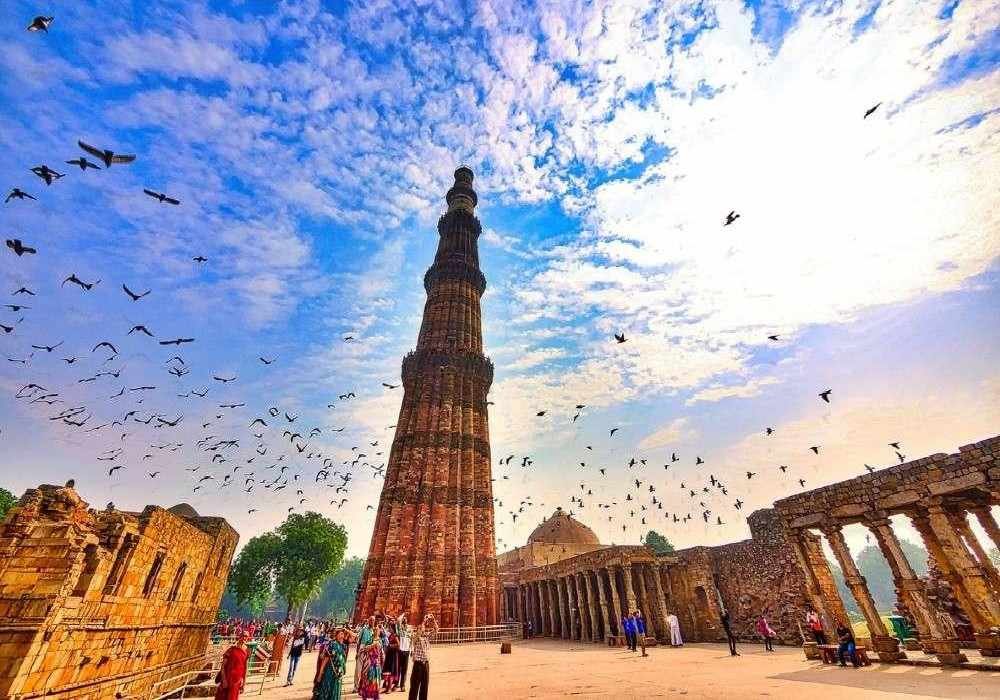
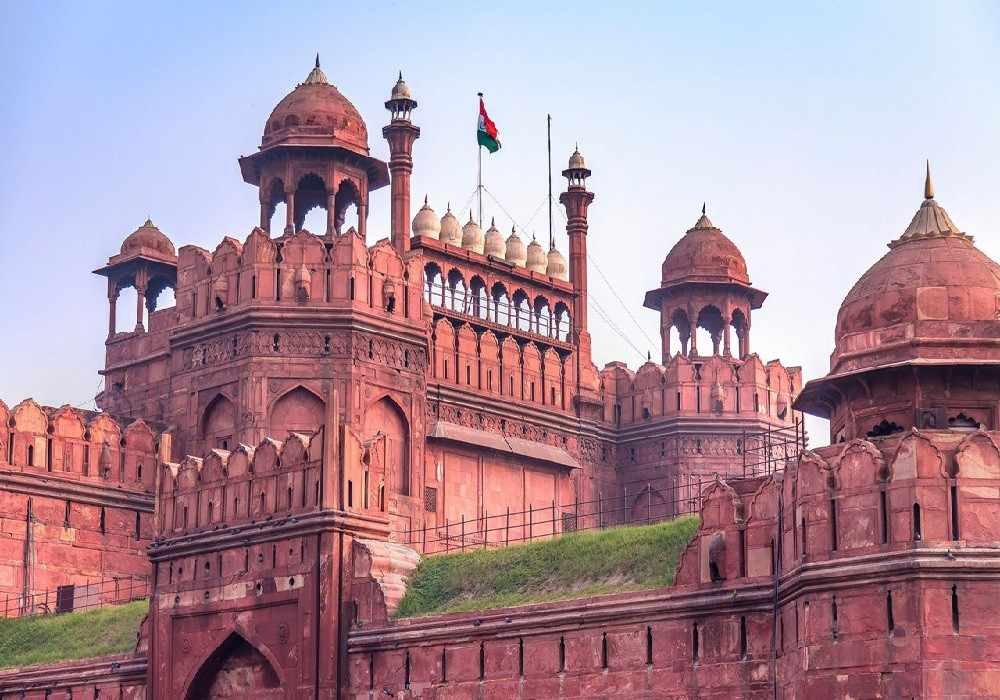
- Visit India Gate, Qutub Minar, and Humayun's Tomb
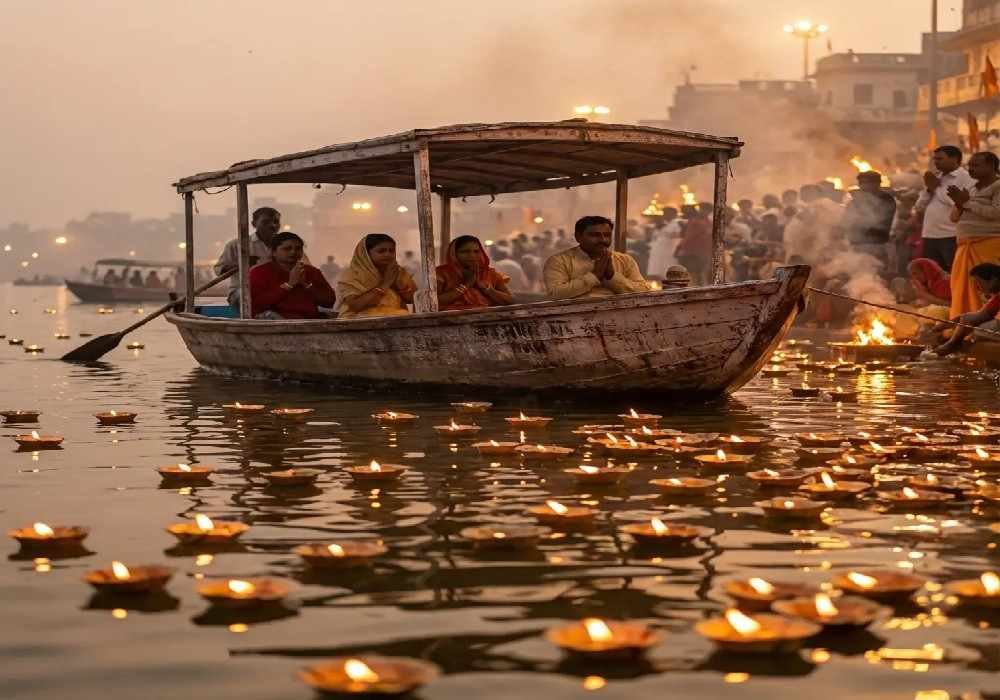
- Witness the mesmerizing Ganga Aarti at Dashashwamedh Ghat
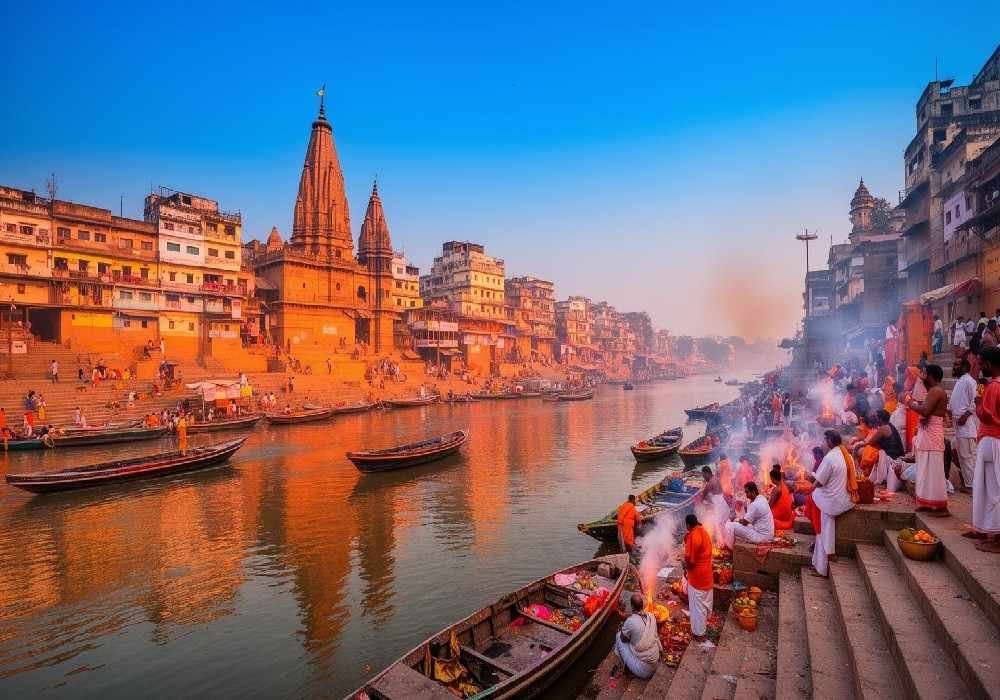
- Sunrise boat ride on the River Ganges in Varanasi
- Visit Kashi Vishwanath Temple and Sarnath
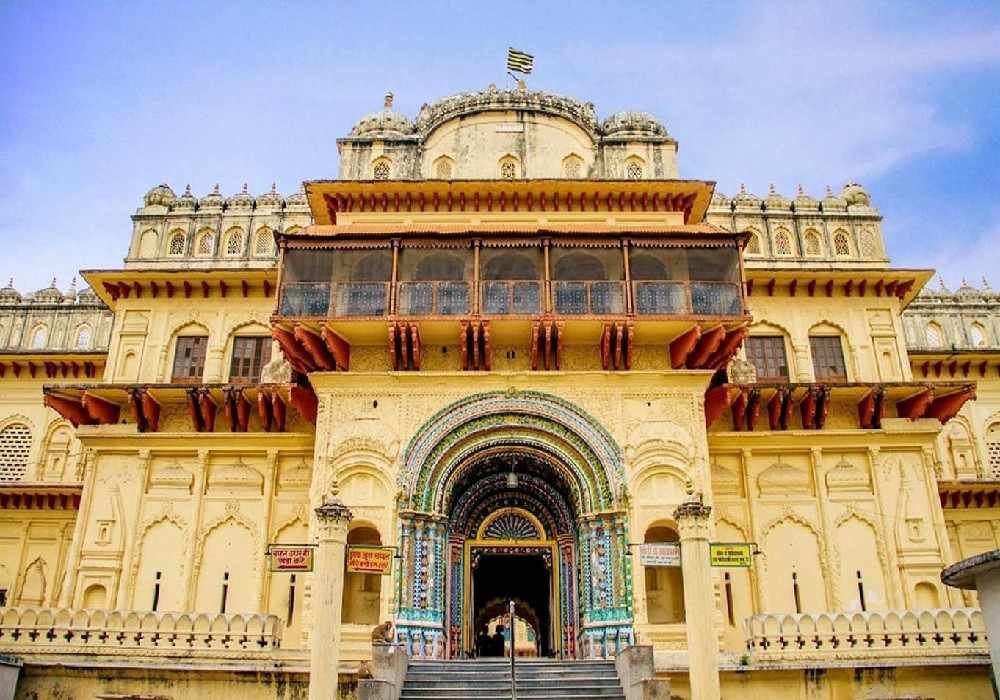
- Seek blessings at Shri Ram Janmabhoomi Temple in Ayodhya
- Visit Hanuman Garhi, Kanak Bhawan, and Saryu Ghat
- Comfortable hotel accommodation with daily breakfast
- Private AC vehicle for all transfers and sightseeing
- Professional local guides and experienced driver
- Description
- Itinerary
- Reviews
-
Denver to Delhi Varanasi Ayodhya Tour Package
Denver takes a certain pride in precision — a marker on the Colorado State Capitol steps confirms the exact spot sitting 5,280 feet above sea level, the detail behind the city's Mile High nickname. Varanasi, one of the destinations on this trip, doesn't offer that kind of precision at all. It's routinely cited as one of the oldest continuously inhabited cities on Earth, though nobody agrees on an exact number, prompting Mark Twain's famous observation that it looks "older than history, older than tradition, older than legend, and looks twice as old as all of them put together." This trip, for travellers flying out of Denver, moves through Delhi before reaching Varanasi and Ayodhya, two cities whose significance was never really about being measurable in the first place.
Known for What Can, and Can't, Be Measured
There's something worth sitting with in that contrast. Denver's identity is built around a number anyone can verify. Varanasi and Ayodhya's significance runs on something else entirely — accumulated devotion, mythology and continuous ritual that no single figure could ever fully capture.
Delhi
A Pillar Older Than the Fort Around It
Feroz Shah Kotla, the ruins of a 14th-century fortress built by Sultan Feroz Shah Tughlaq, holds within its grounds a polished sandstone pillar originally erected by Emperor Ashoka in the 3rd century BCE and later relocated to the site, meaning the oldest object here predates the fort surrounding it by well over a thousand years.
The First of Five Observatories
Delhi's own Jantar Mantar, built in 1724, was actually the first of five astronomical observatories commissioned by Maharaja Jai Singh II, predating the more commonly visited version in Jaipur by several years and offering the same collection of oversized stone instruments on a smaller, quieter scale.
Varanasi
Fire That Doesn't Go Out
Manikarnika Ghat, one of Varanasi's cremation grounds along the Ganges, is said to have kept its funeral pyres continuously burning for centuries, a practice tied to the Hindu belief that dying and being cremated in Varanasi offers liberation from the cycle of rebirth. It remains an active, working site rather than a preserved historical curiosity, and visitors are asked to observe from a respectful distance.
An Evening Ritual Along the River
Each evening at Dashashwamedh Ghat, priests perform the Ganga Aarti, a synchronised ceremony involving fire, incense and chanting offered to the river itself, drawing large crowds who watch from the ghat steps or from boats gathered just offshore, in a ritual repeated nightly regardless of season or crowd size.
A Temple Reconnected to the River
Kashi Vishwanath Temple, dedicated to Lord Shiva and considered one of the twelve Jyotirlinga shrines, underwent a major corridor renovation completed in 2021, creating a direct pedestrian pathway linking the temple to the Ganges and significantly easing the movement of the large numbers of pilgrims visiting daily.
Where the Buddha First Taught
A short distance from the city centre, Sarnath marks the site where the Buddha is believed to have delivered his first sermon after attaining enlightenment, and its preserved stupas and museum offer a Buddhist counterpoint to Varanasi's otherwise overwhelmingly Hindu religious identity.
Ayodhya
A Temple Completed in Living Memory
Ayodhya's Ram Mandir, built at the site traditionally regarded as the birthplace of Lord Rama, was completed and consecrated in January 2024, following a construction process that drew attention from across India and the wider Hindu diaspora. Built in Nagara-style architecture using pink sandstone, the temple has quickly become one of the most visited pilgrimage sites in the country.
The Temple Pilgrims Visit First
Hanuman Garhi, a hilltop temple dedicated to Hanuman, holds a customary place in local pilgrimage tradition as the temple many visitors choose to see before proceeding to Ram Mandir itself, reflecting Hanuman's role in the Ramayana as Rama's devoted companion and protector.
A River With Its Own Evening Ceremony
The Saryu River, running through Ayodhya, hosts its own evening aarti ceremony, smaller in scale than Varanasi's but growing steadily in popularity alongside the city's recent surge in pilgrim visitors, offering a quieter riverside ritual for travellers continuing on from Varanasi.
Two Cities That Were Never Meant to Be Measured
Denver's own precise elevation marker makes for an interesting contrast to a trip that ends somewhere numbers simply don't apply the same way. Varanasi and Ayodhya's significance was built over centuries of devotion rather than anything that could be pinned to a single figure. If a trip built around that kind of depth interests you, let us know your travel dates from Denver and we'll start shaping the details.
Package Inclusions
- Hotel accommodation
- Daily breakfast
- Airport and railway station transfers
- Private AC vehicle throughout the tour
- Sightseeing as per itinerary
- Professional English-speaking guides
- Driver allowance
- Toll tax, parking, and fuel charges
Package Exclusions
- All applicable hotel taxes
- International and domestic airfare
- India visa charges
- Monument and temple entry fees
- VIP/Special Darshan charges
- Lunch and dinner
- Travel insurance
- Personal expenses
- Camera charges
- Tips and gratuities
- GST/TCS (if applicable)
Frequently Asked Questions About "Denver to Delhi Varanasi Ayodhya Tour Package"
Is it respectful for tourists to photograph Manikarnika Ghat, given its function as a cremation site?
Photography is generally discouraged out of respect for grieving families, and we recommend observing quietly rather than taking pictures at this particular ghat.
How early should we arrive for the Ganga Aarti to get a good view?
Arriving at least 30 to 45 minutes beforehand is advisable, since the ghat steps and nearby boats fill up quickly as the ceremony approaches.
Is Ram Mandir open to visitors of all backgrounds, or only Hindu devotees?
The temple welcomes visitors of all backgrounds, though appropriate dress and respectful behaviour are expected given its significance as an active place of worship.
Is Sarnath worth including if our main interest in Varanasi is Hindu pilgrimage sites?
Yes, it offers a genuinely different, quieter historical perspective and pairs well as a half-day addition to a Varanasi stay.
How long does the journey from Varanasi to Ayodhya typically take?
It's generally covered by road in a few hours, or by a short train journey, depending on your schedule and preference.
-
-
Day 1
-
Day 2
Delhi to Varanasi – The Spiritual Heart of India
After breakfast, board your flight to Varanasi. Upon arrival, check into your hotel and relax before visiting the sacred Kashi Vishwanath Temple. In the evening, witness the spectacular Ganga Aarti at Dashashwamedh Ghat, where devotional chants, lamps, and rituals create an unforgettable spiritual atmosphere. Overnight stay in Varanasi. -
Day 3
Varanasi Sightseeing – Temples, Ghats, and Sarnath
Begin the day with an early morning boat ride on the River Ganges to witness sunrise over the ancient ghats. Visit Manikarnika Ghat, Assi Ghat, Bharat Mata Temple, Sankat Mochan Hanuman Temple, and Durga Temple. Later, explore Sarnath, where Lord Buddha delivered his first sermon, visiting Dhamek Stupa, the Archaeological Museum, and Mulagandha Kuti Vihar. Return to your hotel for the night. -
Day 4
Varanasi to Ayodhya – Journey to the Birthplace of Lord Rama
After breakfast, drive to Ayodhya, one of Hinduism's most sacred cities. Upon arrival, check into your hotel and visit the magnificent Shri Ram Janmabhoomi Temple. Continue to Hanuman Garhi, Kanak Bhawan, Dashrath Mahal, and Saryu Ghat. Attend the peaceful evening Aarti on the banks of the Saryu River before returning to your hotel. -
Day 5
Ayodhya Sightseeing and Return to Delhi
After breakfast, explore additional sacred sites in Ayodhya before driving to Lucknow or boarding your onward flight to Delhi, depending on your travel schedule. Upon arrival in Delhi, check into your hotel or transfer directly to the international airport for your return journey. -
Day 6
Departure from Delhi
After breakfast, check out from your hotel and transfer to Delhi International Airport for your flight home. Depart with cherished memories of India's most revered spiritual destinations, sacred temples, ancient traditions, and cultural heritage.
-
Day 1
-
Similar Packages in USA To Delhi Tour
![]() From ₹68,999 View Details
From ₹68,999 View Details![]() From ₹149,999 View Details
From ₹149,999 View Details![]() From ₹79,999 View Details
From ₹79,999 View Details![]() From ₹64,999 View Details
From ₹64,999 View Details


Other Tours in Delhi
![]() From ₹68,999 View Details
From ₹68,999 View Details![]() From ₹149,999 View Details
From ₹149,999 View Details![]() From ₹79,999 View Details
From ₹79,999 View Details