- Travel from Galle to Chennai/Madurai (India entry point)
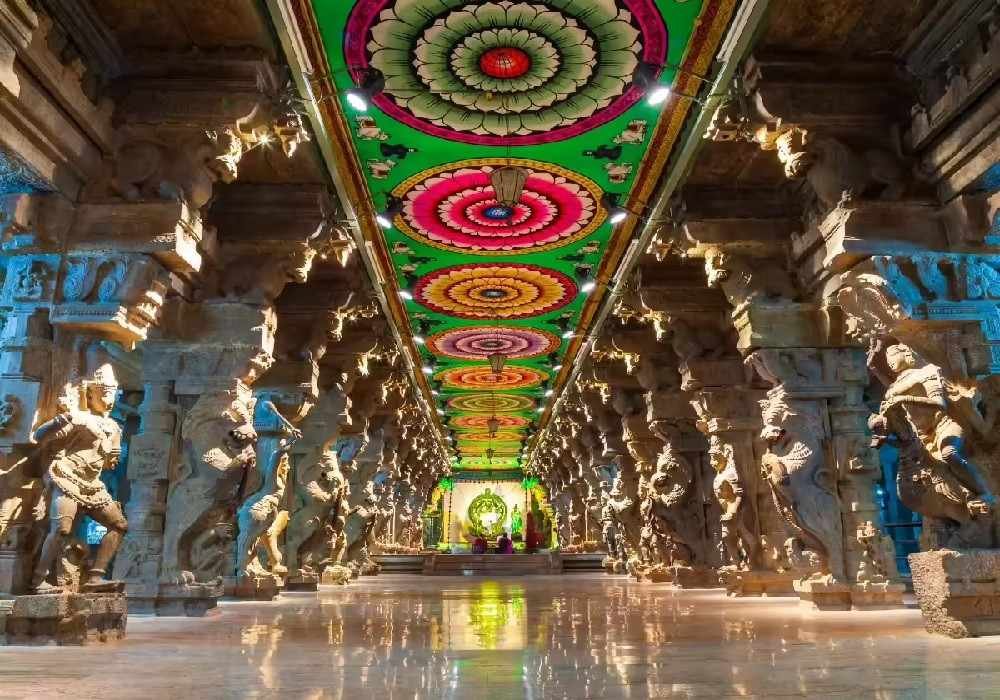
- Visit Meenakshi Amman Temple, Madurai
- Explore Ramanathaswamy Temple, Rameswaram (optional extension)
- Discover Mahabodhi Temple, Bodh Gaya (UNESCO World Heritage Site)
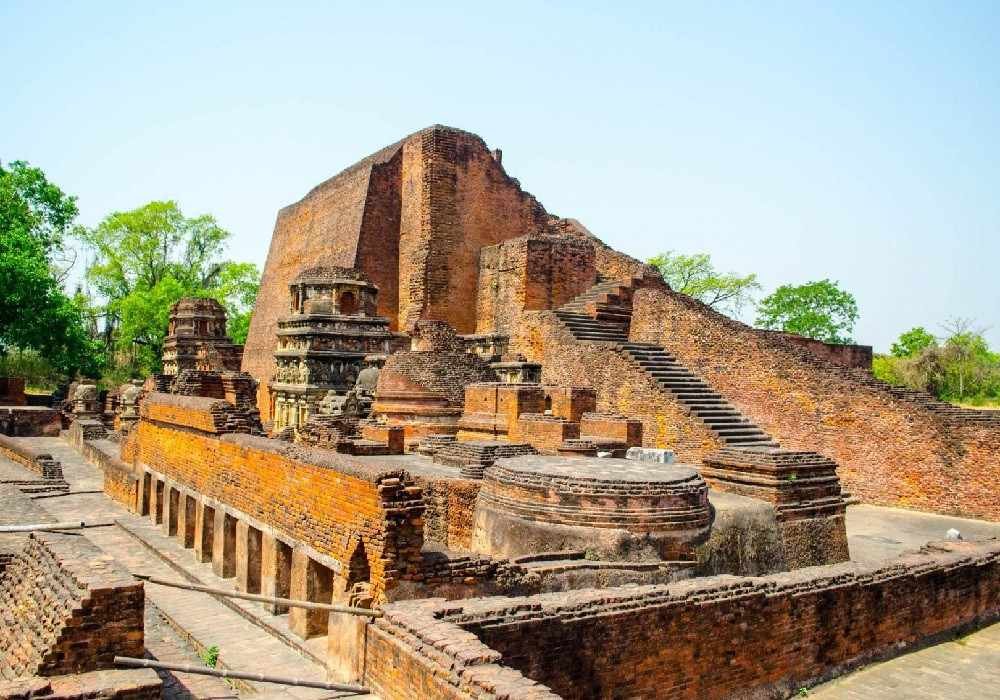
- Explore Nalanda University ruins & Rajgir Buddhist sites
- Experience Vishwa Shanti Stupa & Gridhakuta Hill
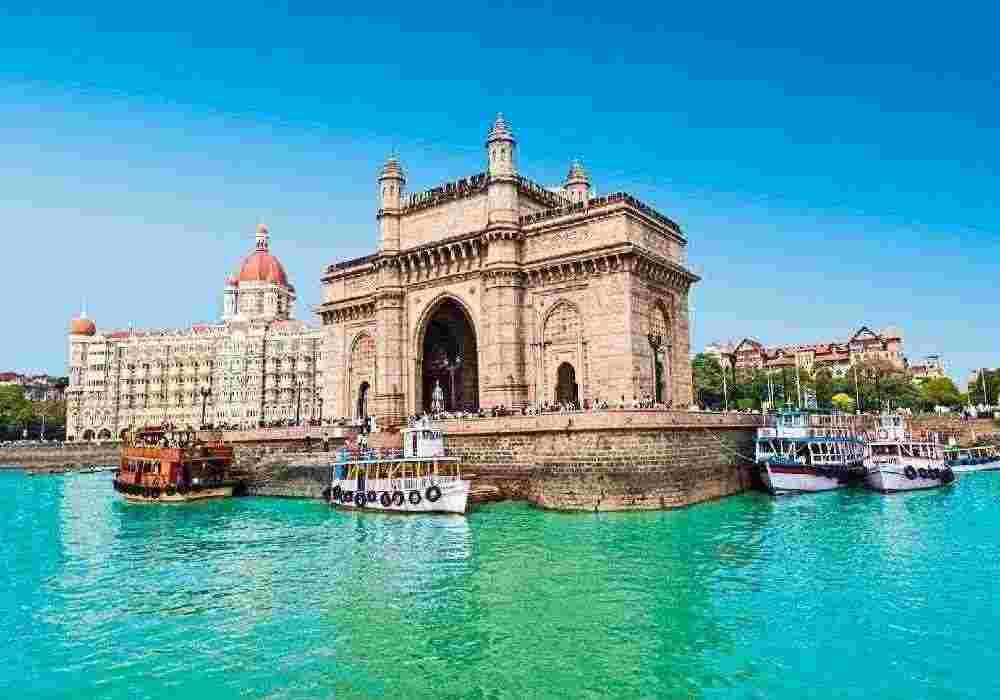
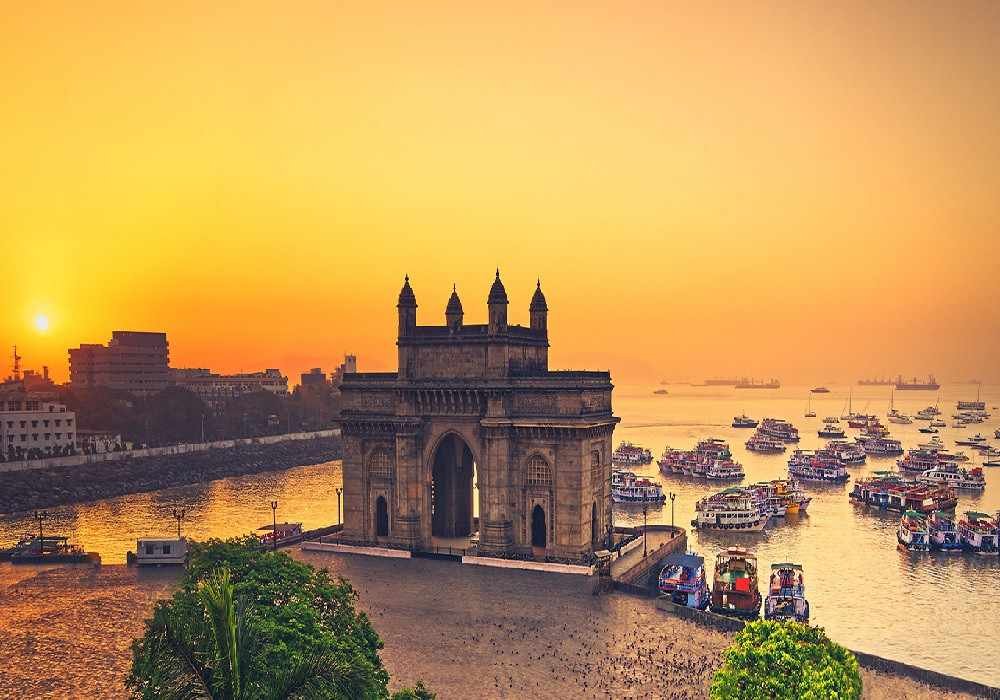
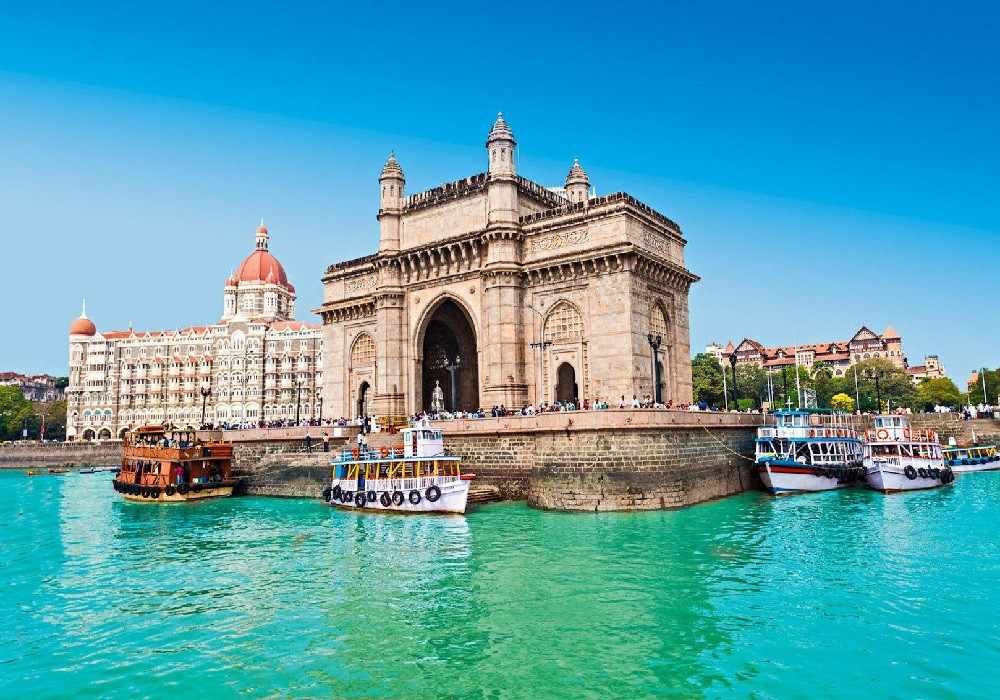
- Visit Gateway of India, Mumbai
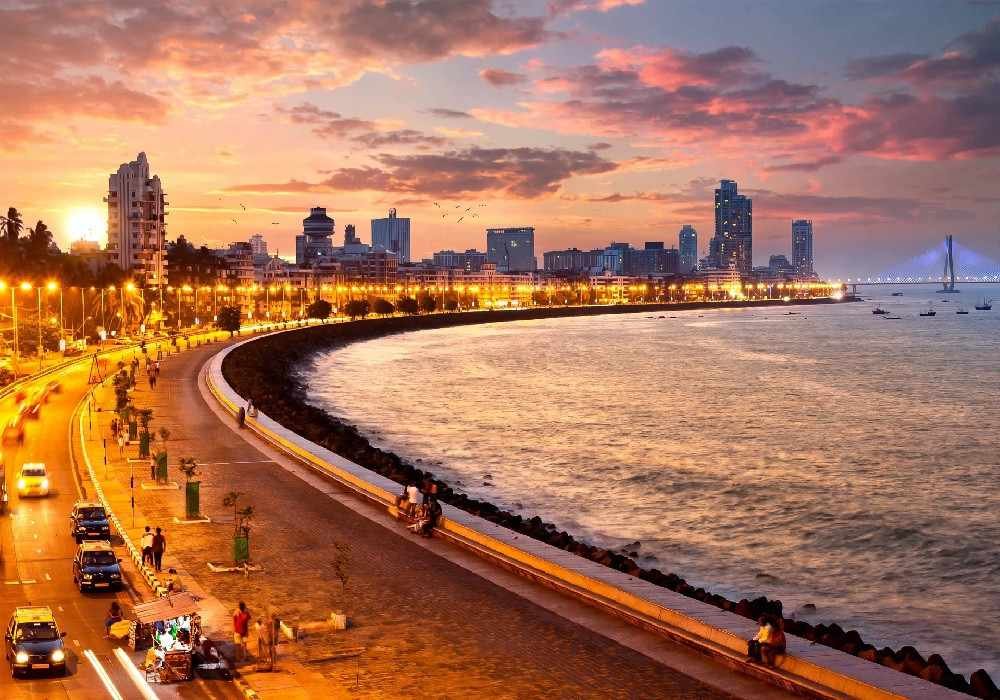
- Enjoy Marine Drive sunset view
- Comfortable hotel stays with daily breakfast
- Private AC vehicle for all transfers & sightseeing
- English-speaking guide at major attractions
- Description
- Itinerary
- Reviews
-
Galle Fort was first fortified by the Portuguese in the 16th century before the Dutch took it over and expanded it into the imposing structure that still stands today, its ramparts a physical record of colonial powers passing the same stretch of coastline between them. Mumbai has a strikingly similar backstory — originally Portuguese territory, handed to England in 1661 as part of a royal dowry before eventually becoming the trading hub the British East India Company built into a major city. This trip, bookended by two ports shaped by the same colonial chain of custody, spends its middle stretch somewhere else entirely: deep in the pre-colonial history of Madurai, Bodh Gaya and Nalanda.
A Trip Bookended by Ports, Centred on Something Older
There's a useful contrast built into this route. Galle and Mumbai both carry visible layers of European colonial history in their architecture and street plans. Madurai, Bodh Gaya and Nalanda, by contrast, predate all of that by well over a thousand years, offering a version of India shaped almost entirely by its own dynasties, religions and scholars rather than by outside powers.
Madurai
A Temple Reached by Chariot
Alagar Kovil, a hill temple dedicated to Vishnu a short distance from Madurai, becomes the centre of the city's Chithirai festival each year, when a symbolic procession re-enacts the deity's river crossing to attend his sister's wedding at Meenakshi Temple, drawing enormous crowds who follow the chariot procession through the streets.
A Museum That Holds a Difficult History
Madurai's Gandhi Memorial Museum houses, among its collection, the blood-stained garment Mahatma Gandhi was wearing at the time of his assassination in 1948, a sobering, carefully preserved artefact that adds a very different, more recent layer of Indian history to a trip otherwise focused on ancient sites.
Bodh Gaya
A Serpent King's Shelter
Within the Mahabodhi Temple complex, a small lake and statue commemorate Muchalinda, the serpent king said to have sheltered the meditating Buddha from a violent storm by coiling around him and raising his hood overhead, a story depicted in Buddhist art across Asia and marked here at the location tradition holds it occurred.
A Gathering Point for Global Buddhism
More than a dozen countries have built and maintain their own monasteries in and around Bodh Gaya, each reflecting a distinct national architectural style, making the town's monastic quarter something of a working cross-section of how Buddhism has developed differently across the world while remaining rooted at a single shared origin point.
Nalanda
A University That Trained Other Universities
Beyond educating its own resident scholars, Nalanda is understood to have supplied teachers and trained monks who went on to establish or staff other major Buddhist learning centres across the region, including Vikramashila, effectively functioning as a source institution for a wider network of ancient universities rather than existing in isolation.
Stucco Faces in the Ruins
Among Nalanda's excavated remains, fragments of stucco sculpture, a plaster-based decorative art distinct from the site's brickwork, offer a rare glimpse of the figurative artistic style once used to decorate the university's walls, most of which has been lost to time.
Mumbai
The City That Changed Hands as a Dowry
Mumbai's Portuguese-to-British transition happened almost by accident of royal marriage — the islands were handed over as part of Catherine of Braganza's dowry when she married England's King Charles II in 1661, only later leased to the East India Company, which developed the settlement into the trading centre that eventually became the city.
Bandra Fort's Portuguese Foundations
Bandra Fort, overlooking the sea where the Arabian Sea meets Mahim Bay, was originally built by the Portuguese in the 17th century, and its ruins today offer one of the clearest physical reminders in Mumbai of the same colonial chain of ownership that also shaped Galle, on the other end of this trip.
Two Ports, One Long Story in Between
Galle and Mumbai carry the same colonial fingerprints in different forms, but the heart of this trip sits somewhere else entirely — in a hill temple's annual procession, a serpent king's sheltering coil, and a university that trained the teachers of other universities. If that kind of contrast between old and older sounds like the trip you want, let us know your travel dates from Galle and we'll start shaping the details.Package Inclusions
- Return airfare (Galle – Chennai/Madurai – Mumbai – Sri Lanka)
- Airport transfers
- Hotel accommodation as per selected category
- Daily breakfast
- Private air-conditioned vehicle for sightseeing
- Guided tours at major attractions
- Toll tax, parking, fuel & driver allowance
Package Exclusions
- Hotel taxes
- India Visa fees (if applicable)
- Travel insurance
- Lunch and dinner
- Monument entrance fees
- Camera/video charges
- Boat rides or ferry charges
- Personal expenses
- Tips and porterage
- GST/TCS (if applicable)
- Anything not mentioned in inclusions
Frequently Asked Questions About "Galle to Madurai Bodh Gaya Nalanda Mumbai Holiday Package"
Is the Chithirai festival procession something we can time our Madurai visit around?
Yes, if your travel dates align with the festival, generally held in April, we can build your Madurai stop around it, though it does draw significant crowds.
Is the Gandhi Memorial Museum appropriate to visit with children?
It's a historically significant site suitable for most ages, though the nature of some exhibits means it's worth briefly preparing younger visitors beforehand.
Are all the international monasteries around Bodh Gaya open to visitors?
Most are open to respectful visitors, though a few maintain more limited hours or require quiet, minimal-disruption visits given their active use for worship and meditation.
Is there physical evidence remaining of Nalanda's connection to Vikramashila or other universities?
The connection is understood primarily through historical and textual records rather than physical evidence at the Nalanda site itself, though it's a significant part of how historians understand the university's broader influence.
Is Bandra Fort worth visiting as a standalone stop, or is it more of a passing landmark?
It's a relatively compact site, often paired with a walk along the nearby promenade, making it an easy, low-effort addition rather than requiring a dedicated half-day.
How do we travel between Bodh Gaya, Nalanda and Mumbai given the distances involved?
Nalanda and Bodh Gaya are close together and easily combined, while the onward journey to Mumbai is covered by a flight, since there's no practical direct road route across that distance.
-
-
Day 1
-
Day 2
Madurai Sightseeing
Meenakshi Amman Temple Thirumalai Nayakkar Mahal Local market visit Overnight stay -
Day 3
Travel to Bodh Gaya
Flight/train transfer Hotel check-in Evening leisure Overnight stay -
Day 4
Bodh Gaya Sightseeing
Mahabodhi Temple Bodhi Tree Great Buddha Statue Monasteries visit Overnight stay -
Day 5
Nalanda & Rajgir
Nalanda University ruins Nalanda Museum Vishwa Shanti Stupa Gridhakuta Hill Return to hotel Overnight stay -
Day 6
Travel to Mumbai
Flight to Mumbai Hotel check-in Evening at Marine Drive Overnight stay -
Day 7
Mumbai Sightseeing
Gateway of India Marine Drive CST Station Local markets Optional Elephanta Caves Overnight stay -
Day 8
Departure
Transfer to airport Return flight to Galle Tour ends with spiritual and cultural memories
-
Day 1
-
Similar Packages in Sri Lanka to Delhi Tour
![]() From ₹202,999 View Details
From ₹202,999 View Details![]() From ₹209,999 View Details
From ₹209,999 View Details![]()
Trincomalee to Chennai Kanchipuram Bodh Gaya Nalanda Ajanta Ellora Tour Package
Delhi
8 Nights / 9 Days
From ₹199,299 View Details
Other Tours in Delhi
![]() From ₹116,999 View Details
From ₹116,999 View Details![]() From ₹129,999 View Details
From ₹129,999 View Details