- Arrival from Anuradhapura to Chennai (India entry)
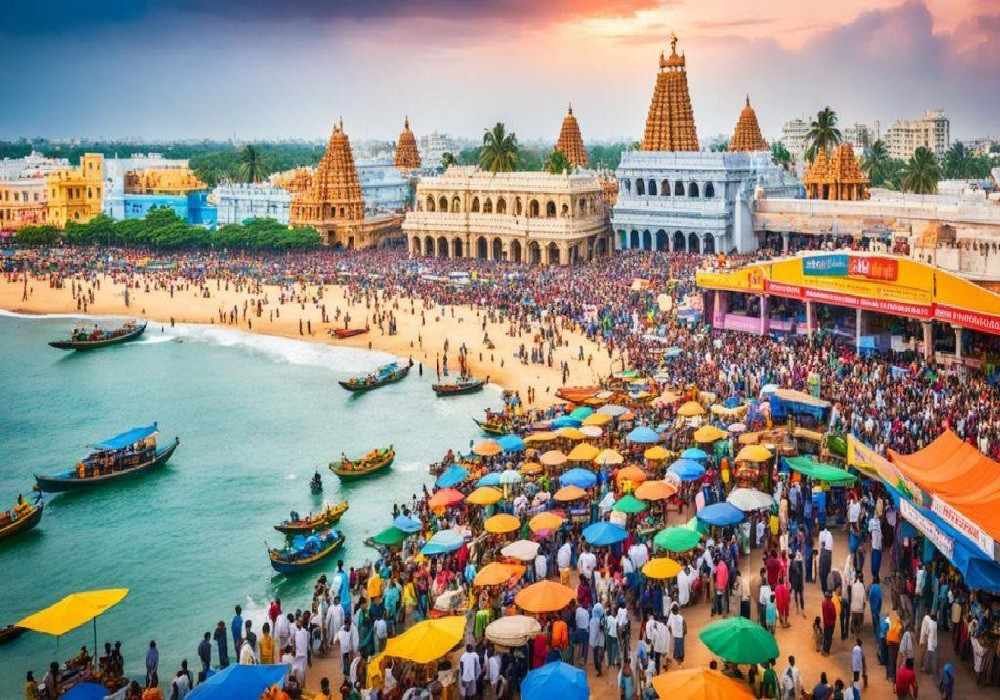
- Visit Kapaleeshwarar Temple & Marina Beach, Chennai
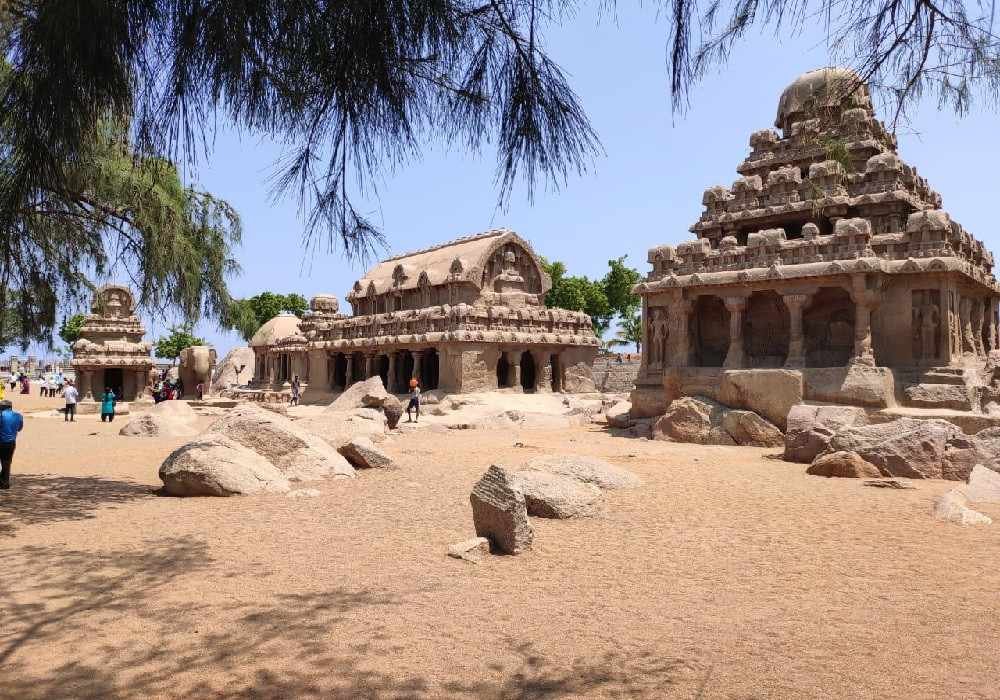
- Explore Mahabalipuram UNESCO World Heritage monuments
- Discover Five Rathas, Shore Temple & Arjuna's Penance
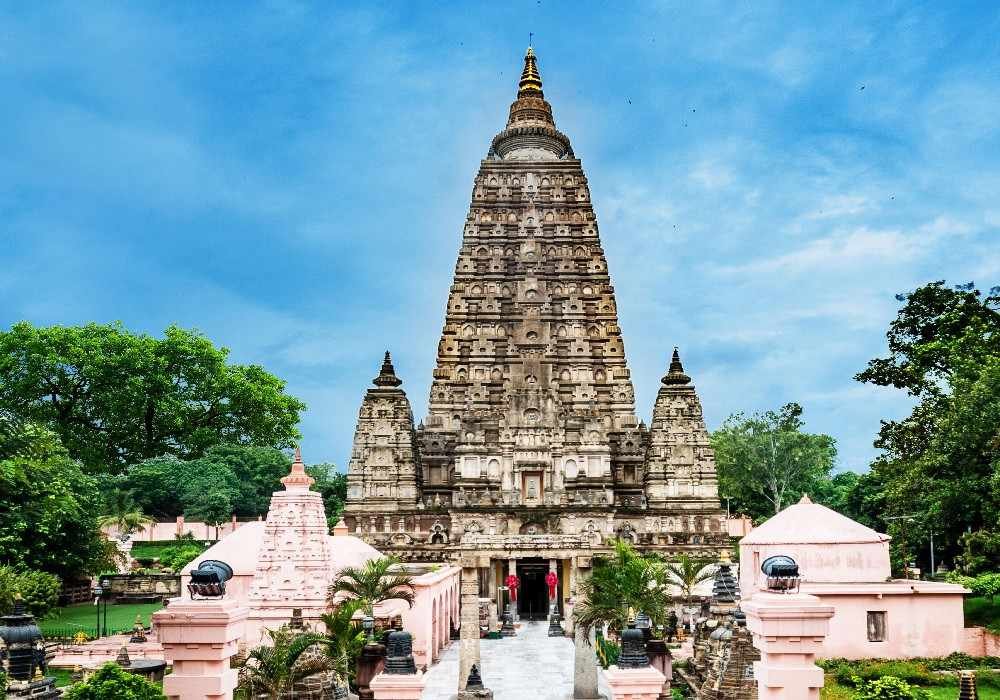
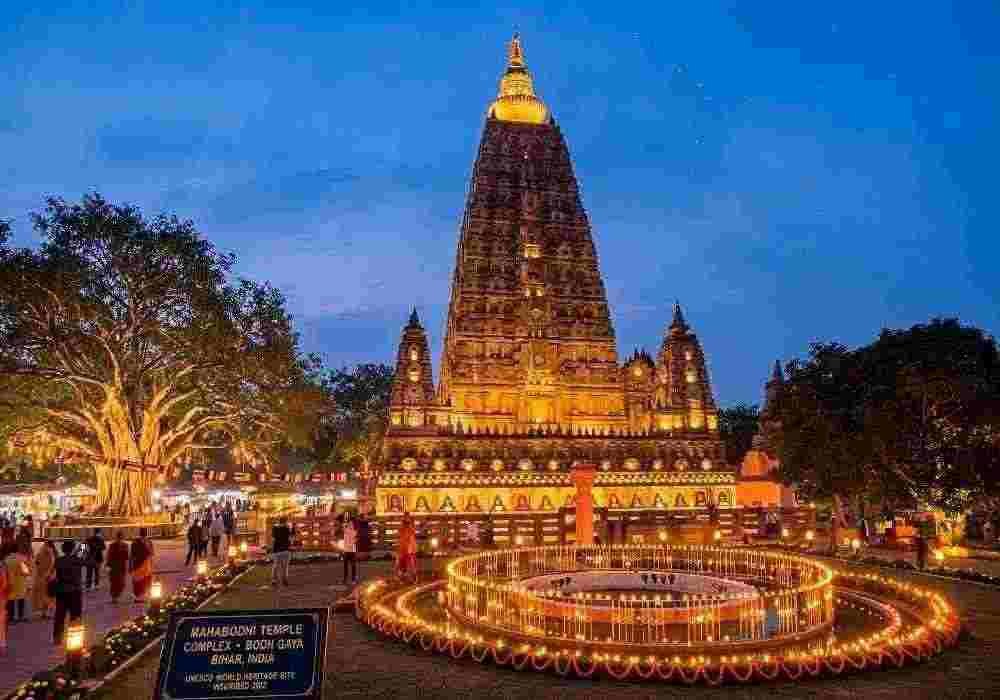
- Visit Mahabodhi Temple, Bodh Gaya (UNESCO site)
- Explore Nalanda University ruins & Rajgir Buddhist circuit
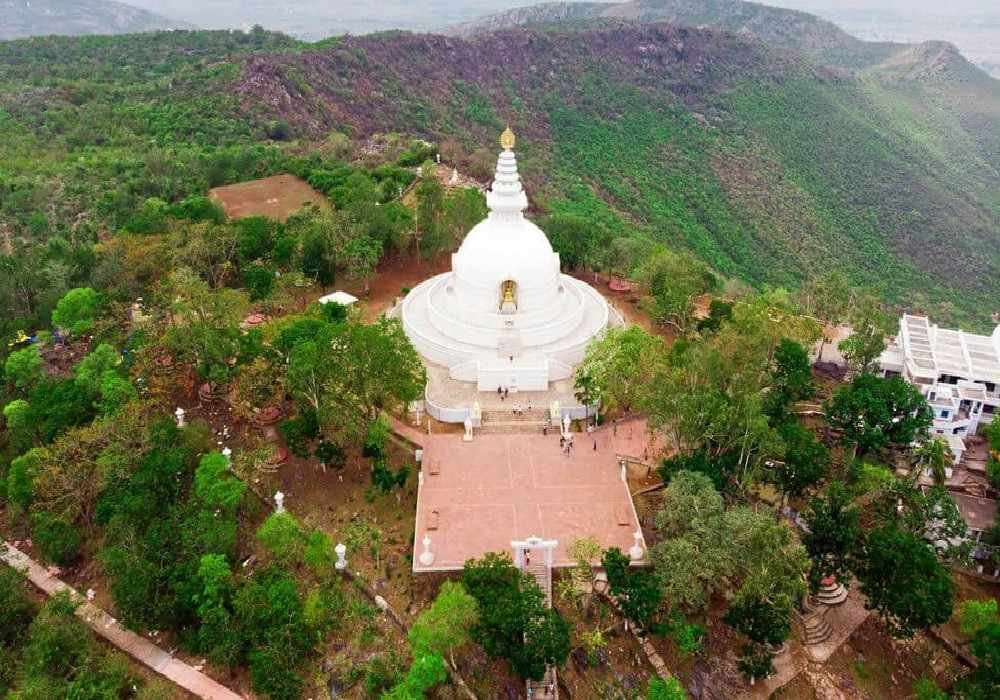
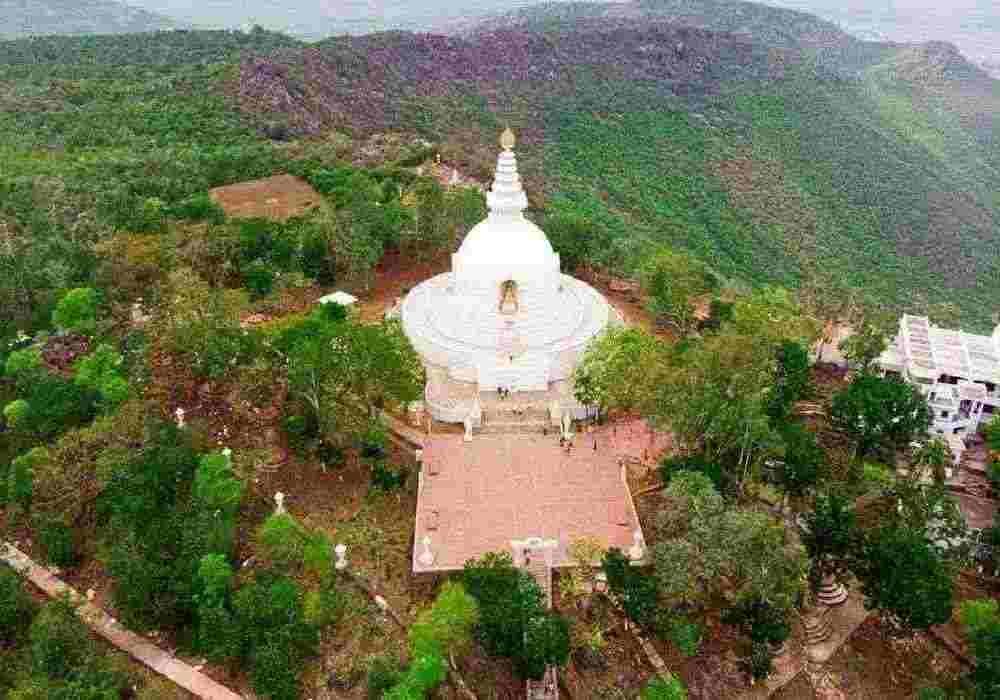
- Experience Vishwa Shanti Stupa & Gridhakuta Hill
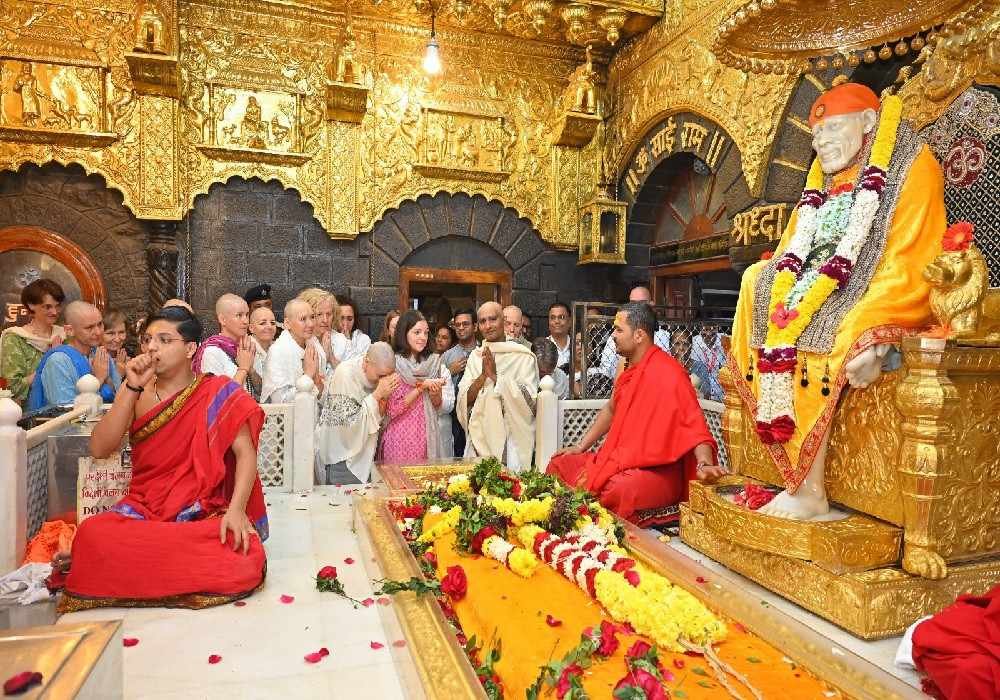
- Darshan at Shirdi Sai Baba Temple
- Comfortable hotel stays with daily breakfast
- Private AC vehicle for all transfers & sightseeing
- English-speaking guide at major attractions
- Description
- Itinerary
- Reviews
-
Anuradhapura's Sri Maha Bodhi is widely regarded as the oldest historically documented tree in the world, grown from a cutting of the original Bodhi tree at Bodh Gaya and planted in 288 BCE by King Devanampiya Tissa. For well over two thousand years, it has stood as a living link between the two sites, and this trip, for travellers starting their journey in Anuradhapura, essentially retraces that ancient connection back to its source, moving through Chennai and Mahabalipuram before reaching Bodh Gaya, Rajgir and finally Shirdi.
Retracing a 2,300-Year-Old Connection
There's something genuinely rare about a trip that begins at a specific, documented historical point and travels toward the exact place that point originated from. Most journeys through India move between destinations connected loosely by geography or theme; this one begins with a tree whose entire history is a matter of continuous historical record; stretching back to a single planting date, and ends at the place that planting was meant to honour.
Chennai
The First English Fortress in India
Fort St. George, built in 1644, was the first fortress constructed by the English East India Company in India, and it remains in active use today as the seat of the Tamil Nadu state government, making it one of the rare colonial-era forts still serving a functional administrative purpose rather than existing purely as a monument.
Bronzes That Rewrote Art History
The Government Museum in Egmore, established in 1851 and one of India's oldest museums, holds a bronze gallery considered among the finest collections of Chola-era bronze sculpture in the world, including several pieces that have shaped how art historians understand South Indian metalwork techniques from over a thousand years ago.
Mahabalipuram
A Riverbed Carved Into a Cliff Face
Arjuna's Penance, one of the largest open-air rock reliefs in the world, spans an entire cliff face and depicts, according to most interpretations, the descent of the sacred river Ganges to earth, with a natural crack in the rock incorporated into the design to represent the river itself flowing down through the carved scene.
A Boulder That Refuses to Fall
Krishna's Butterball, a massive granite boulder resting at a steep angle on a smooth sloped surface, has remained motionless for centuries despite appearing to defy gravity, and various historical attempts, including one reportedly ordered by a colonial-era governor, to move or dislodge it have all failed.
Bodh Gaya
The Journey of a Single Sapling
According to historical accounts, the Buddhist nun Sanghamitta carried the sapling that would become Anuradhapura's Sri Maha Bodhi across the sea in a golden vase, a journey now commemorated on both sides of the connection it created. Standing at the Mahabodhi Temple today means standing at the literal origin point of a lineage that has been growing, uninterrupted, in Sri Lanka for over two millennia.
Rajgir
A Shrine to the Serpent Deities
Maniyar Math, an unusual circular shrine structure within Rajgir, is dedicated to Naga, or serpent deities, and its distinct round layout sets it apart from the more typical rectangular temple architecture found throughout the rest of the region, hinting at older, pre-Buddhist religious traditions that persisted alongside the area's later Buddhist significance.
Shirdi
The Mosque Where Sai Baba Lived
Dwarkamai, the mosque where Sai Baba spent much of his life, still maintains a sacred eternal flame, known as the dhuni, said to have been kept continuously burning since his time, and pilgrims today collect its sacred ash, known as udi, believed to carry protective significance.
A Nightly Procession Tradition
Each evening, a palanquin procession carries a portrait of Sai Baba from the main temple to the Chavadi, a building he historically used on alternate nights as a resting place, a ritual that has continued in some form for well over a century and remains one of Shirdi's most visibly maintained daily traditions.
A Trip That Traces Its Own Origin Story
Few routes can claim as direct and well-documented a connecting thread as this one — a single tree's two-thousand-year-old lineage, carried from Bodh Gaya to Anuradhapura and now retraced back again, alongside rock-cut monuments, serpent shrines and a saint's eternal flame along the way. If a trip built around that kind of continuity interests you, let us know your travel dates from Anuradhapura and we'll start putting the details together.Package Inclusions
- Return airfare (Anuradhapura – Chennai – Bodh Gaya/Delhi – Mumbai – Sri Lanka)
- Airport transfers
- Hotel accommodation as per selected category
- Daily breakfast
- Private air-conditioned vehicle for sightseeing
- Guided tours at major attractions
- Toll tax, parking, fuel & driver allowance
Package Exclusions
- Hotel taxes
- India Visa fees (if applicable)
- Travel insurance
- Lunch and dinner
- Monument entrance fees
- Camera/video charges
- Boat rides or local transport
- Personal expenses
- Tips and porterage
- GST/TCS (if applicable)
- Anything not mentioned in inclusions
Frequently Asked Questions About "Anuradhapura to Chennai Mahabalipuram Bodh Gaya Rajgir Shirdi Tour Package"
Is the Sri Maha Bodhi's connection to Bodh Gaya something we can learn more about during the trip itself?
Yes, we build context around this connection at both ends of the journey, so the significance of standing at the Mahabodhi Temple carries added meaning after starting in Anuradhapura.
How long does it typically take to see the main carvings at Mahabalipuram, including Arjuna's Penance?
A couple of hours is generally enough to see the main rock-cut monuments at a comfortable pace, including both Arjuna's Penance and Krishna's Butterball nearby.
Is Fort St. George open to the public, given it's still used for government functions?
Yes, sections including its museum and church are open to visitors, even though other parts of the complex remain active government offices.
Is Maniyar Math easy to include alongside Rajgir's more well-known Buddhist sites?
Yes, it's a short, manageable addition to a Rajgir itinerary and offers a different angle on the region's layered religious history.
Can visitors collect udi ash from the dhuni at Dwarkamai in Shirdi?
Yes, it's distributed to pilgrims as a customary part of a Shirdi visit and is generally available at the site.
How do we travel between Rajgir and Shirdi, given the distance between Bihar and Maharashtra?
This leg is covered by a flight connection, generally routed through a major hub, since there's no practical direct road journey between the two regions.
-
-
Day 1
-
Day 2
Chennai & Mahabalipuram
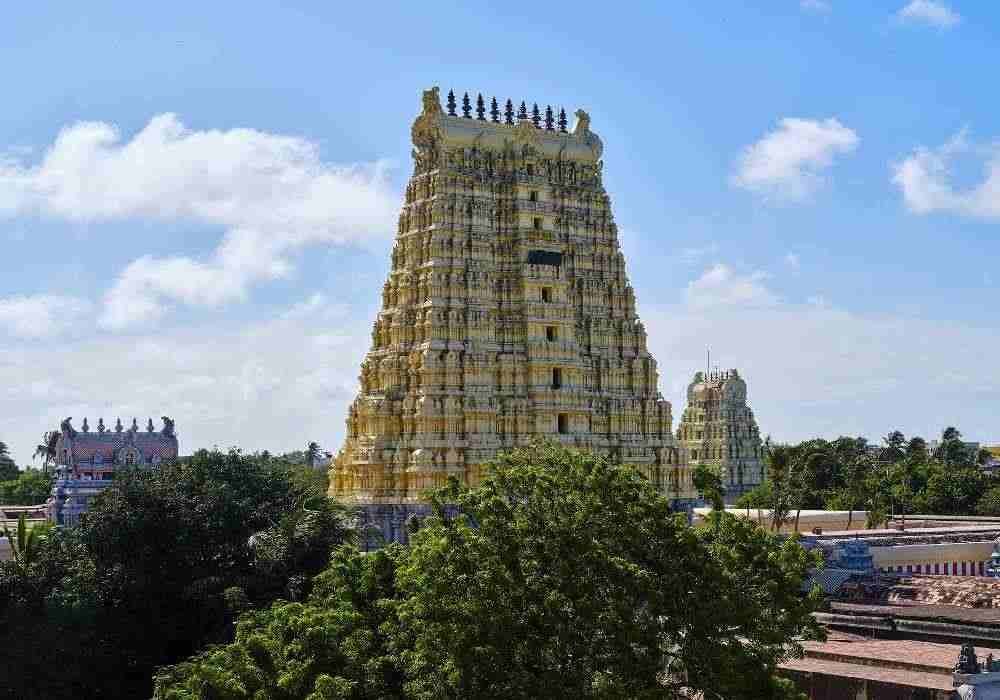
Kapaleeshwarar Temple San Thome Basilica Drive to Mahabalipuram Shore Temple Five Rathas Arjuna's Penance Return to Chennai Overnight stay -
Day 3
Travel to Bodh Gaya
Transfer via flight/train Hotel check-in Leisure time Overnight stay -
Day 4
Bodh Gaya Sightseeing
Mahabodhi Temple Bodhi Tree Great Buddha Statue Monasteries visit Overnight stay -
Day 5
Rajgir & Nalanda
Nalanda University ruins Nalanda Museum Vishwa Shanti Stupa Gridhakuta Hill Return to hotel Overnight stay -
Day 6
Travel to Shirdi
Flight/train to Mumbai + drive to Shirdi Hotel check-in Hotel check-out Overnight stay -
Day 7
Shirdi Darshan
Sai Baba Samadhi Mandir Dwarkamai Chavadi Lendi Baug Overnight stay -
Day 8
Departure
Transfer to airport Return flight to Anuradhapura Tour ends with spiritual and cultural memories
-
Day 1
-
Similar Packages in Japan to Delhi Tour
![]() From ₹199,999 View Details
From ₹199,999 View Details![]() From ₹204,999 View Details
From ₹204,999 View Details![]() From ₹224,999 View Details
From ₹224,999 View Details![]()
Kobe to Mahabodhi Temple Bodh Gaya Taj Mahal Amber Fort City Palace Udaipur Tour Package
Delhi
8 Nights / 9 Days
From ₹219,999 View Details
Other Tours in Delhi
![]() From ₹116,999 View Details
From ₹116,999 View Details![]() From ₹129,999 View Details
From ₹129,999 View Details