- Return international flights from Kobe to India
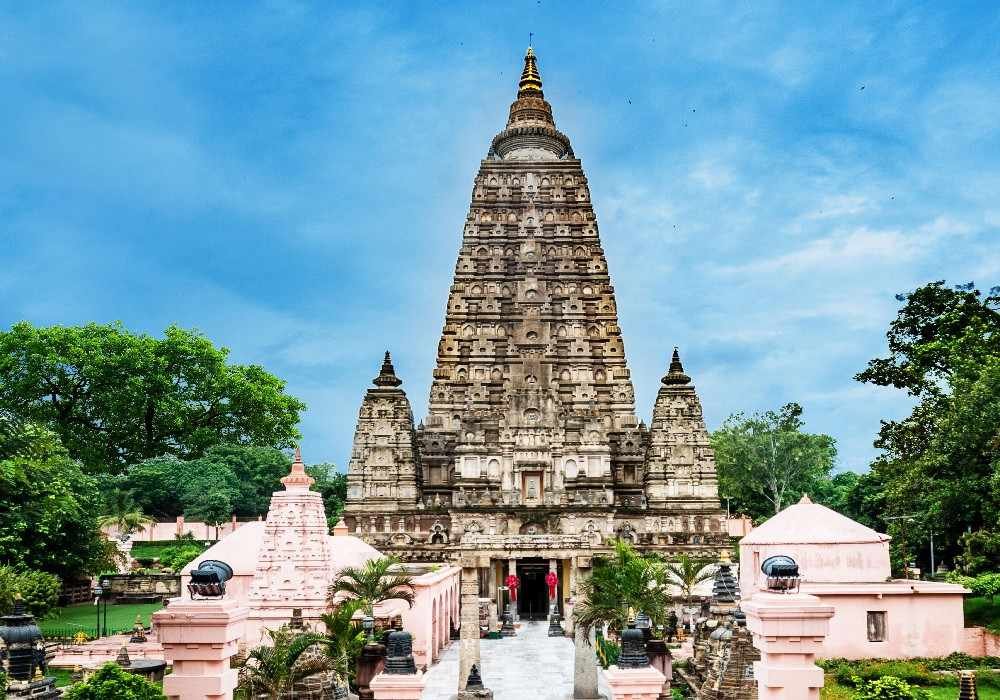
- Visit Mahabodhi Temple, Bodh Gaya (UNESCO World Heritage Site)
- Explore Bodhi Tree & Great Buddha Statue
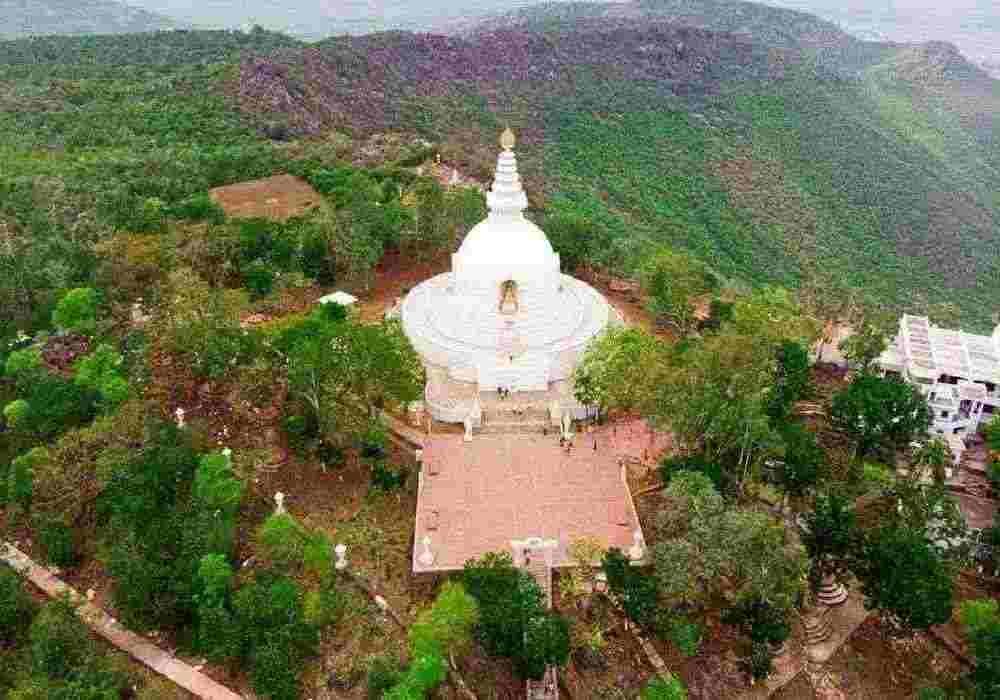
- Discover Vishwa Shanti Stupa, Rajgir (optional extension)
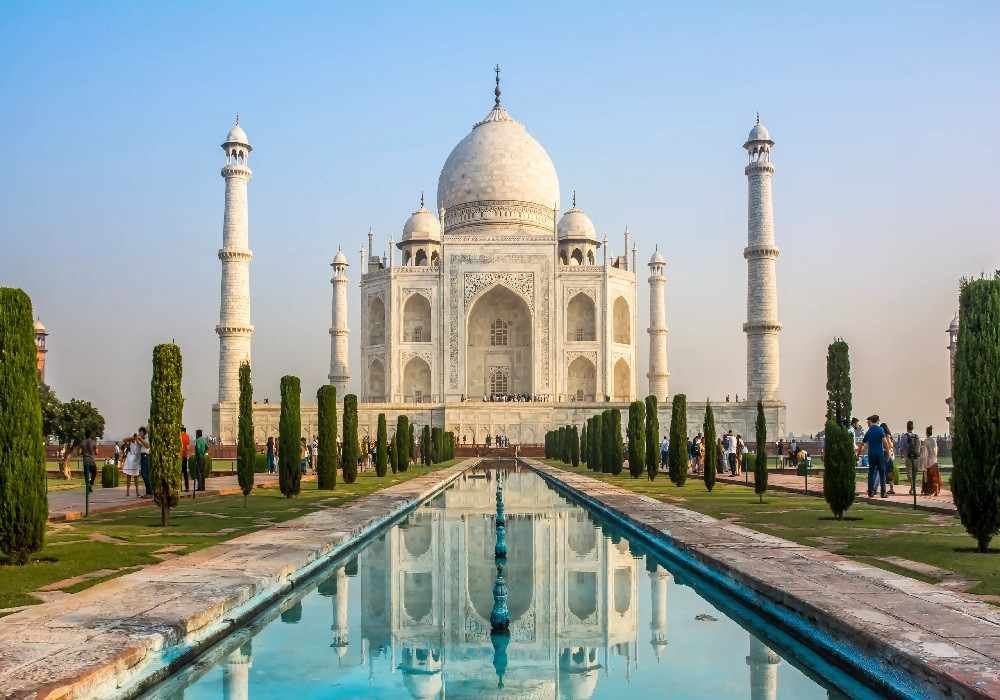
- Witness the iconic Taj Mahal at sunrise
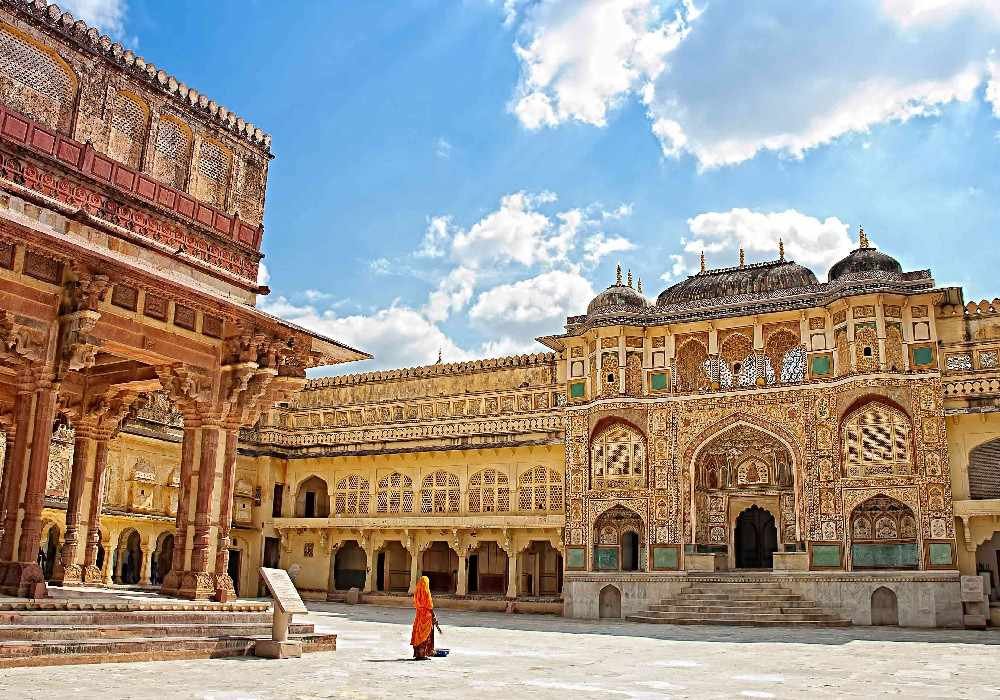
- Explore Amber Fort, Jaipur
- Visit Hawa Mahal & City Palace, Jaipur
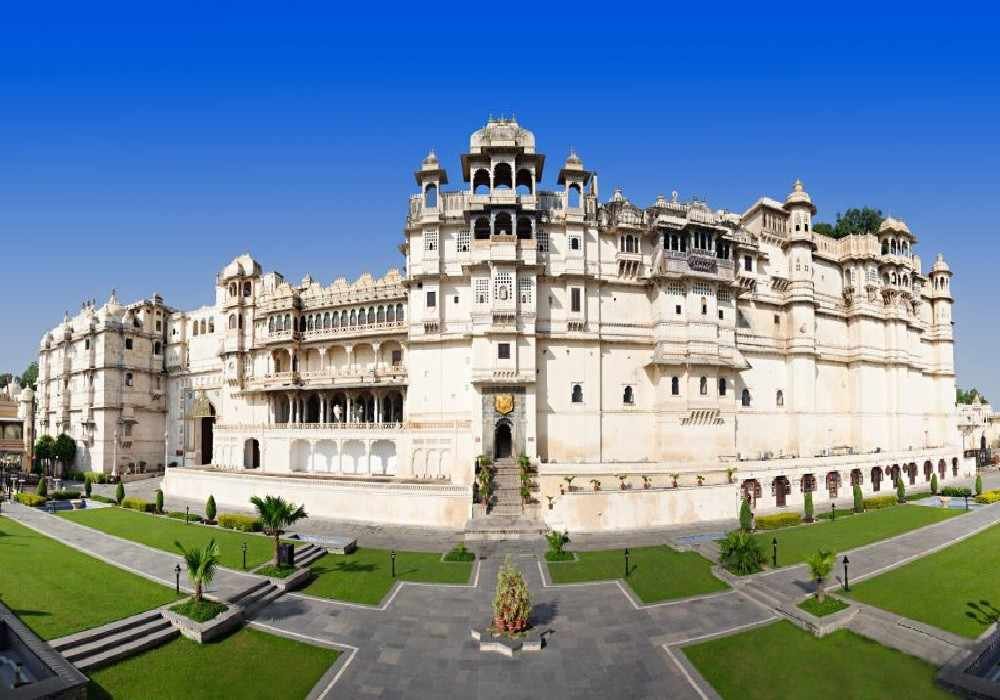
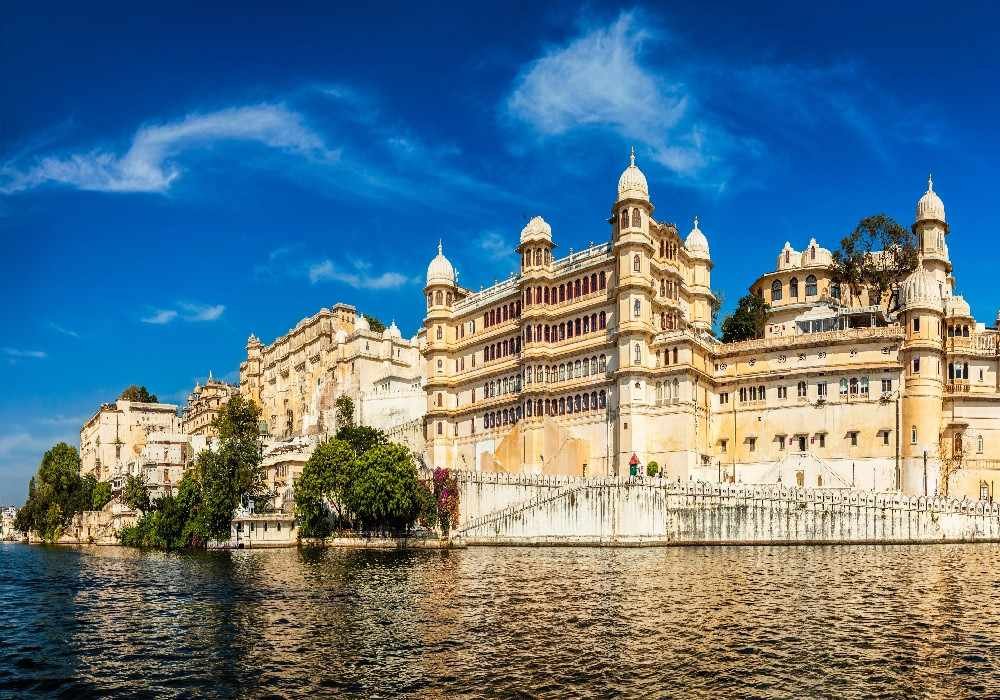
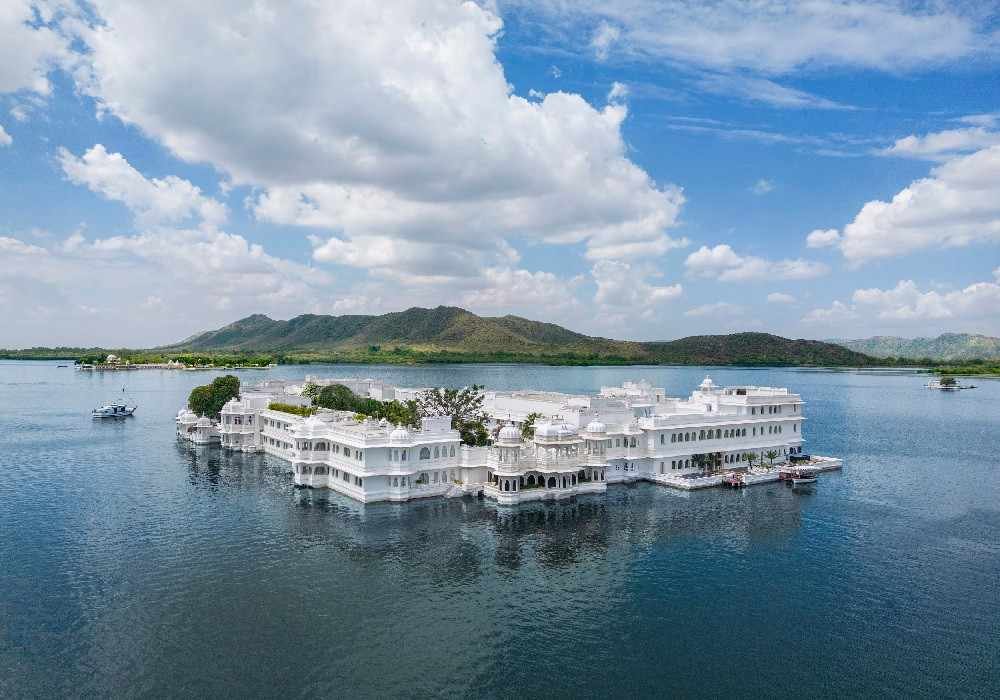
- Experience City Palace Udaipur & Lake Pichola
- Comfortable hotel stays with daily breakfast
- Private AC vehicle for all transfers & sightseeing
- English-speaking guide at major monuments
- Description
- Itinerary
- Reviews
-
Kobe rebuilt itself almost entirely after the Great Hanshin earthquake of 1995, and the city today carries that history quietly rather than prominently — a place shaped as much by recovery as by anything that came before it. There's a similar thread running through this trip, for travellers flying out of Kobe: each of these four stops has, at some point in its history, faced destruction, siege or serious threat, and each one is still standing today because someone, at some point, chose to rebuild or defend it rather than let it go.
A Trip About What Endures
It would be easy to visit these four places purely for their beauty or scale, but each one carries a quieter story about survival underneath the more obvious history. That thread doesn't overshadow the trip, but it adds a layer worth knowing before you go.
Mahabodhi Temple, Bodh Gaya
Centuries of Damage and Restoration
The temple complex suffered significant damage during a series of invasions between the 11th and 13th centuries, and by the time it drew serious international attention again in the 19th century, much of the structure had fallen into disrepair, overtaken by surrounding vegetation and years of neglect.
A 19th-Century Rebuilding Effort
British archaeologist Alexander Cunningham led a major restoration project at the site in the 1880s, working from earlier structural evidence and historical accounts to reconstruct much of what visitors see standing today, effectively rescuing the temple from centuries of decline.
Taj Mahal
Hidden From the Sky
During the Second World War, and again briefly during later conflicts, the Taj Mahal was covered in bamboo scaffolding designed to disguise its unmistakable white dome from potential aerial attack, a precaution taken by Indian authorities concerned about the monument becoming an easy visual target during wartime.
A Monument That Outlasted the Empire That Built It
The Mughal empire that commissioned the Taj Mahal declined significantly within a century of its completion, yet the monument itself has endured largely intact for nearly four centuries since, outliving the political structure that made its construction possible in the first place.
Amber Fort
Preserved Through Alliance, Not Conquest
Unlike several other Rajput strongholds that fell to Mughal forces, Amber Fort survived intact largely because its ruler, Raja Man Singh I, formed a strategic alliance with the Mughal emperor Akbar rather than resisting him militarily, a decision that preserved both the fort and the kingdom's autonomy in ways outright conflict often didn't.
Jaivana, the Cannon Never Fired
Nearby Jaigarh Fort holds Jaivana, reportedly the largest wheeled cannon ever built, cast in 1720 and capable of firing a shell over 35 kilometres. Despite its size, historical records suggest it was fired in a test only once and never used in actual battle, making it a monument to deterrence rather than destruction.
City Palace, Udaipur
A Capital That Was Never Fully Conquered
Udaipur's position, tucked among the Aravalli hills and built around a defensible lake, meant it withstood repeated attempts at Mughal conquest more successfully than several other Rajput capitals, and City Palace stands today as one of the few major Rajasthani royal complexes never fully seized by an outside power.
Four Centuries of Continuous Building
Rather than being built in one phase, City Palace was expanded by successive Maharanas over nearly 400 years, meaning the complex itself represents an unbroken continuity of the same ruling family's presence on the same site, largely uninterrupted by the conquests that reshaped so much of the rest of Rajasthan.
Built to Last, Rebuilt When Needed
Kobe's own history of recovery gives this trip an unexpected resonance — a temple rebuilt from near ruin, a monument that outlasted the empire behind it, a fort preserved through diplomacy rather than defeat, and a palace complex that has stood, largely unbroken, for four centuries. If a trip built around that kind of endurance interests you, let us know your travel dates from Kobe and we'll start shaping the details.Package Inclusions
- Return airfare (Kobe – Gaya/Delhi – Jaipur/Udaipur – Kobe)
- Airport transfers
- Hotel accommodation as per selected category
- Daily breakfast
- Private air-conditioned vehicle for sightseeing
- Guided tours at major attractions
- Toll tax, parking, fuel & driver allowance
Package Exclusions
- Hotel taxes
- India Visa fees
- Travel insurance
- Lunch and dinner
- Monument entrance fees
- Boat ride charges (Lake Pichola, etc.)
- Camera/video charges
- Personal expenses
- Tips and porterage
- GST/TCS (if applicable)
- Anything not mentioned in inclusions
Frequently Asked Questions About "Kobe to Mahabodhi Temple Bodh Gaya Taj Mahal Amber Fort City Palace Udaipur Tour Package"
Is much of the original 11th-century damage to Mahabodhi Temple still visible today?
Most of what's visible now reflects the 19th-century restoration work, though some historical inscriptions and older sections remain identifiable to those familiar with the site's restoration history.
Was the Taj Mahal's wartime camouflage ever tested by an actual attack?
No confirmed direct attack on the monument occurred during this period, and the scaffolding is understood to have functioned as a precaution rather than a response to any specific incident.
Can we see Jaivana the cannon as part of an Amber Fort visit?
Yes, it's housed at neighbouring Jaigarh Fort, which is typically visited alongside Amber Fort given their close proximity and shared history.
Is City Palace's uninterrupted royal history reflected in how the museum is organised?
Yes, the museum's galleries are broadly arranged to reflect different eras of the palace's expansion, giving visitors a sense of how the complex grew across generations.
Did Raja Man Singh's alliance with Akbar affect Amber Fort's architecture in any noticeable way?
Yes, the fort's design reflects a blend of Rajput and Mughal architectural influences, a direct result of the close political relationship between the two courts during that period.
How do we travel between Bodh Gaya and Rajasthan given the distance involved?
This leg is covered by a flight, typically routed through Delhi, since there's no practical direct road journey between Bihar and Rajasthan.
-
-
Day 1
-
Day 2
Bodh Gaya Sightseeing
Mahabodhi Temple Bodhi Tree Great Buddha Statue Monasteries visit Meditation time Overnight stay -
Day 3
Travel to Agra
Transfer via flight/train Hotel check-in Evening leisure Overnight stay -
Day 4
Agra Sightseeing
Sunrise visit to Taj Mahal Agra Fort Local market shopping Overnight stay -
Day 5
Jaipur Transfer
Drive/flight to Jaipur Hotel check-in Evening free Overnight stay -
Day 6
Jaipur Sightseeing
Amber Fort Jal Mahal (photo stop) Hawa Mahal City Palace Jantar Mantar Local markets Overnight stay -
Day 7
Jaipur to Udaipur
Transfer to Udaipur Hotel check-in Evening at Lake Pichola Overnight stay -
Day 8
Udaipur Sightseeing
City Palace Jagdish Temple Saheliyon Ki Bari Fateh Sagar Lake Optional boat ride on Lake Pichola Overnight stay -
Day 9
Departure
Transfer to airport Return flight to Kobe Tour ends with unforgettable memories
-
Day 1
-
Similar Packages in Japan to Delhi Tour
![]() From ₹199,999 View Details
From ₹199,999 View Details![]() From ₹209,999 View Details
From ₹209,999 View Details![]() From ₹204,999 View Details
From ₹204,999 View Details![]() From ₹224,999 View Details
From ₹224,999 View Details
Other Tours in Delhi
![]() From ₹116,999 View Details
From ₹116,999 View Details![]() From ₹129,999 View Details
From ₹129,999 View Details