- Return international flights from Canberra to India
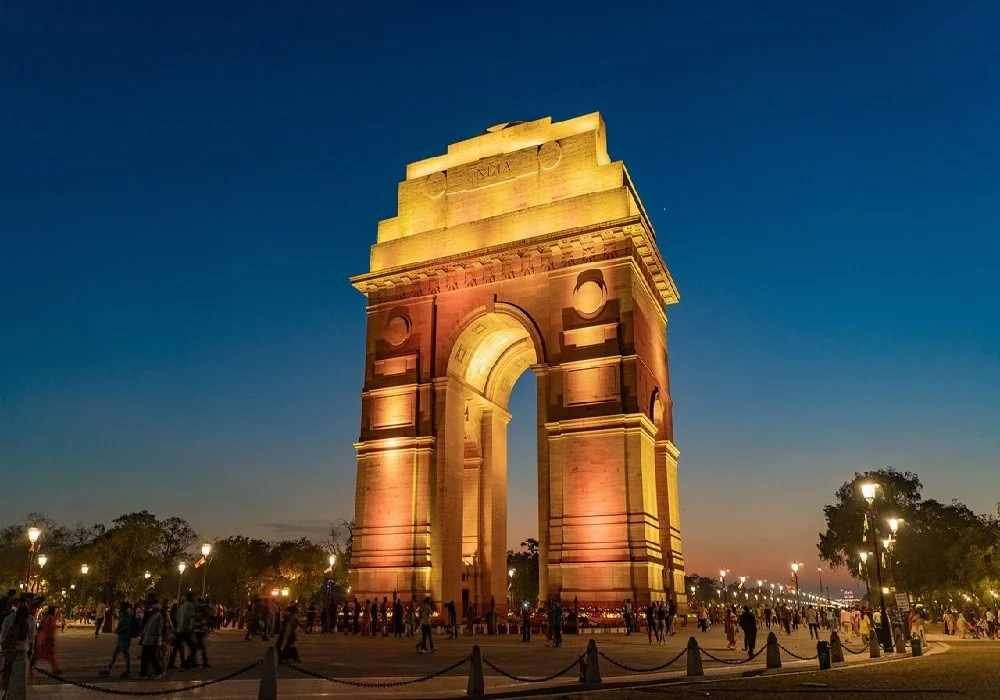
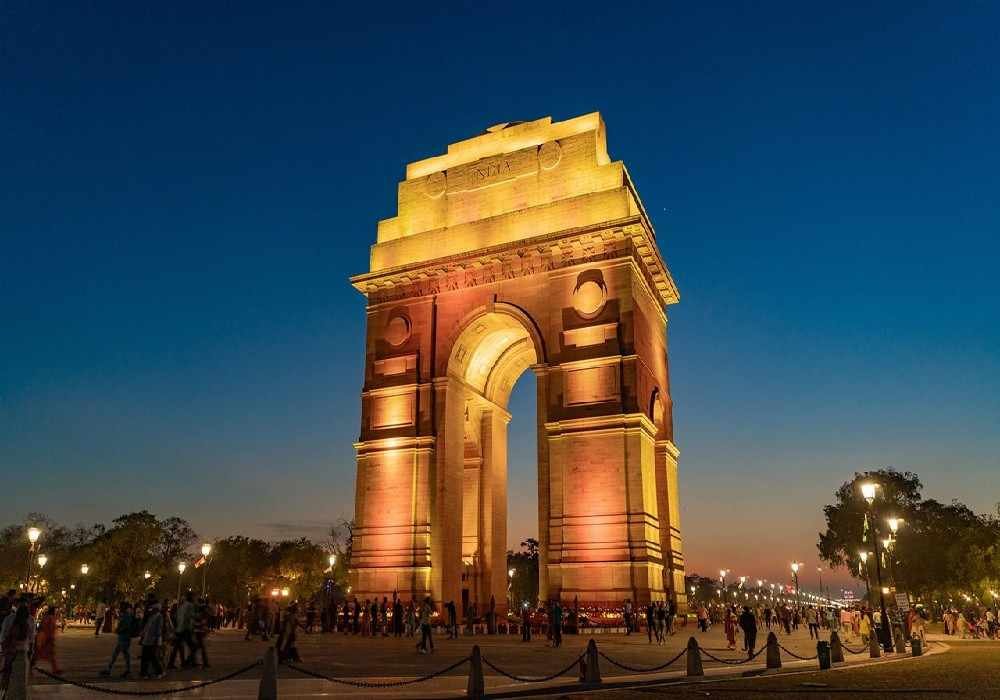
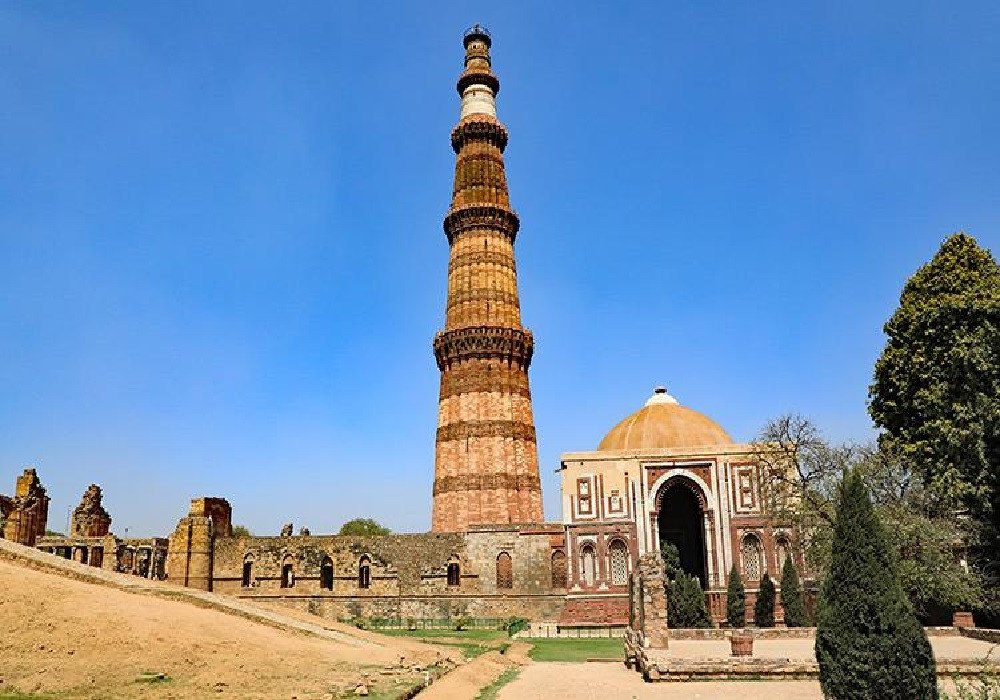
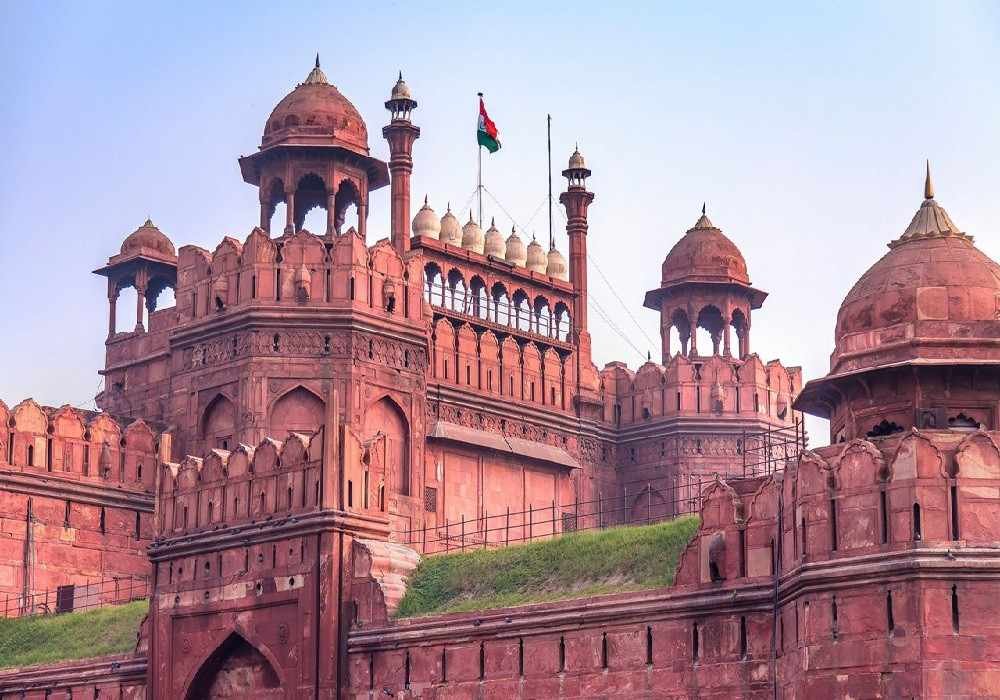
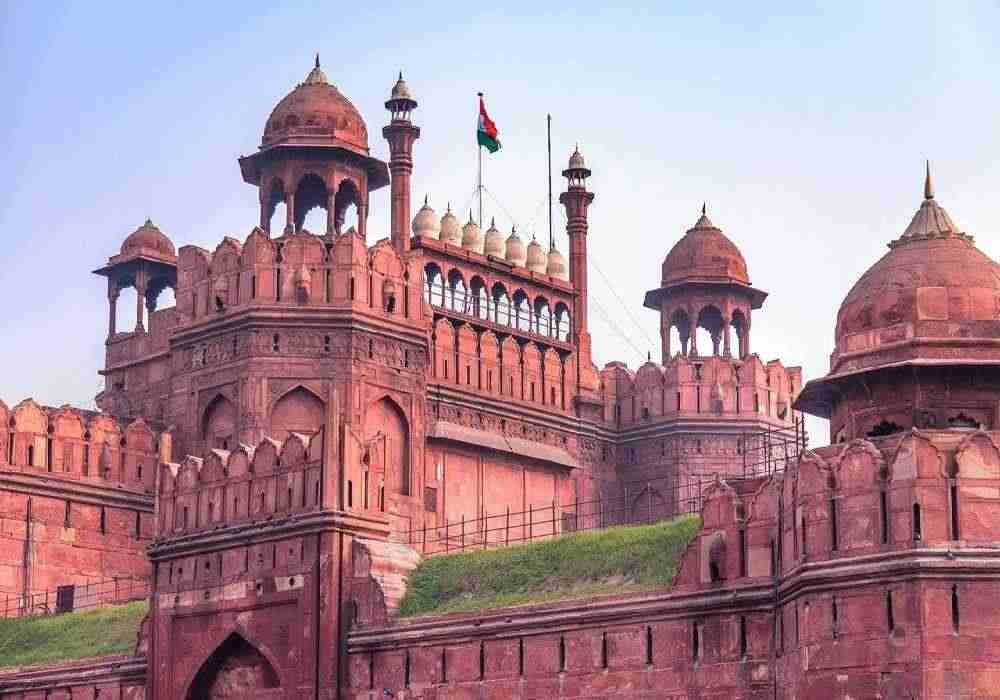
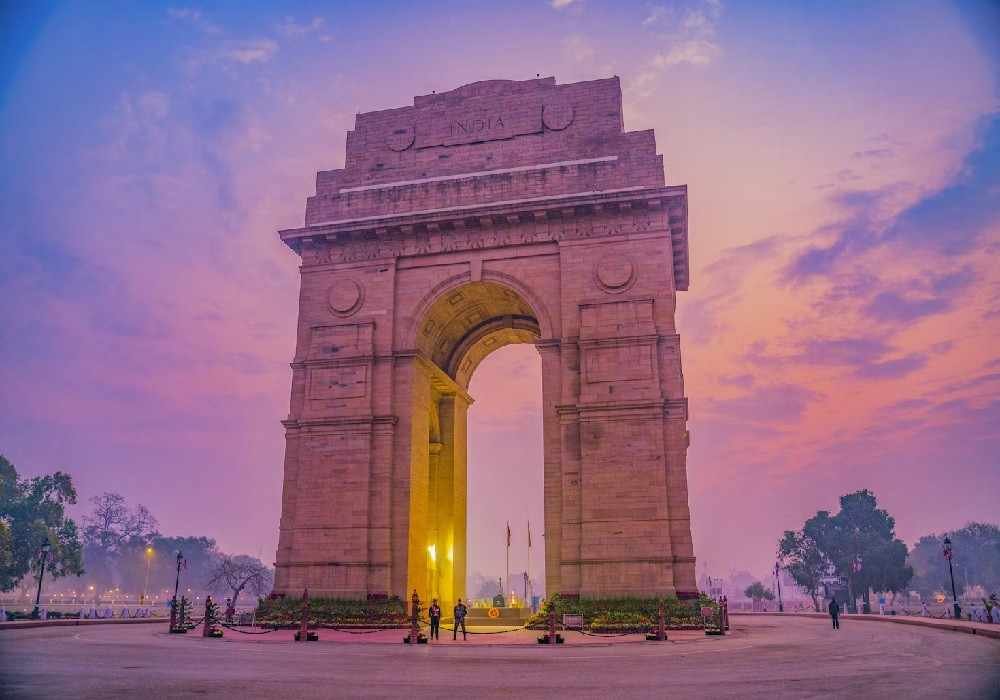
- Explore Delhi historical monuments (India Gate, Qutub Minar, Red Fort)
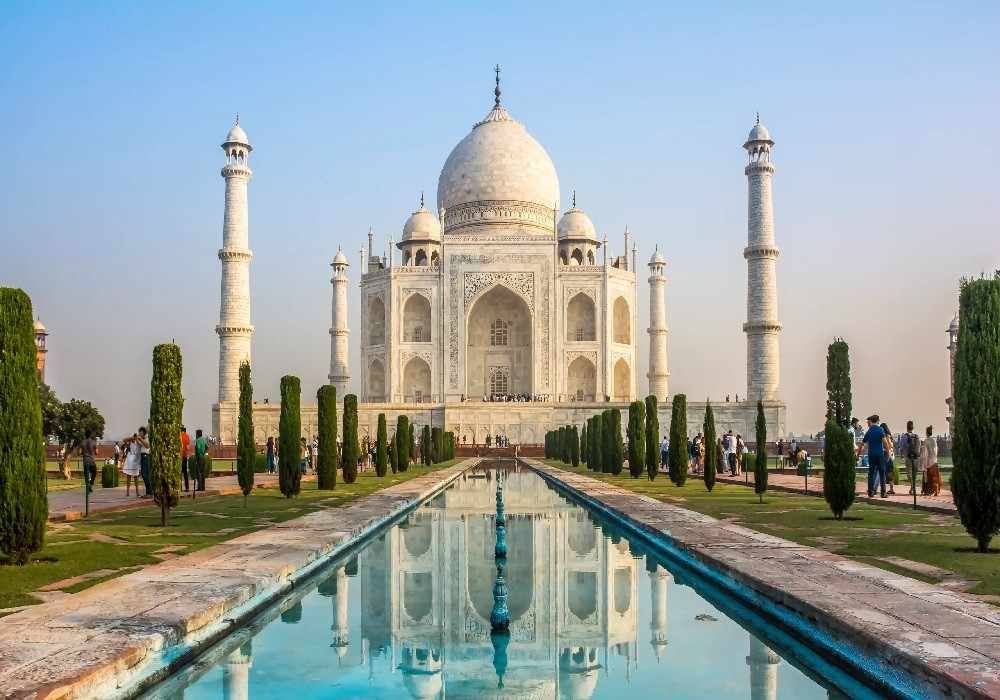
- Witness Taj Mahal at sunrise, Agra
- Visit Agra Fort & Fatehpur Sikri (optional)
- Explore Amber Fort, Jaipur
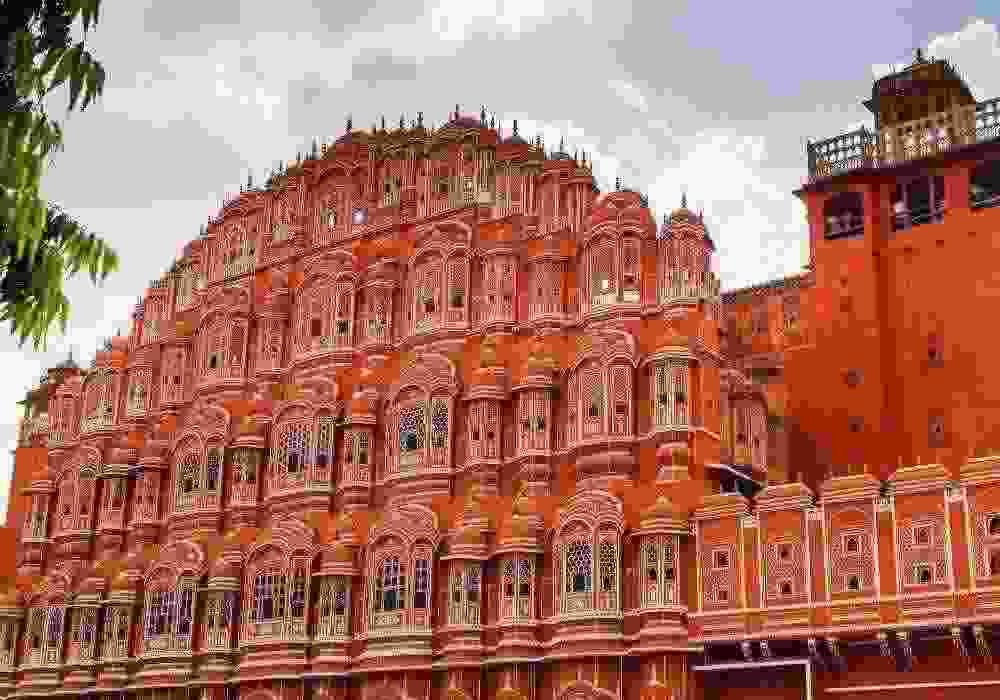
- Visit Hawa Mahal & City Palace, Jaipur
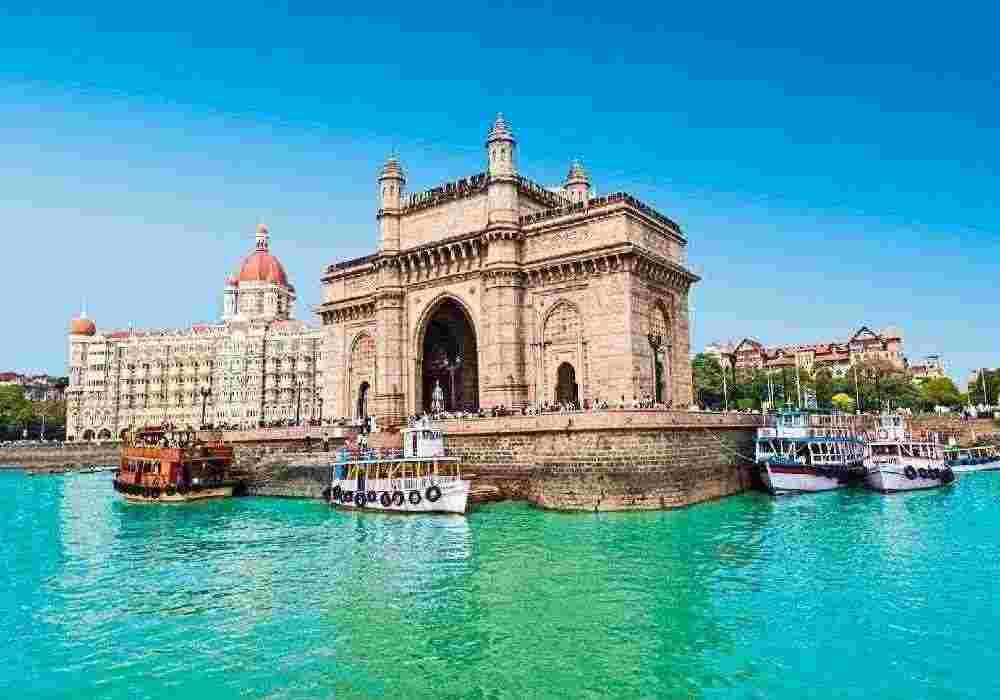
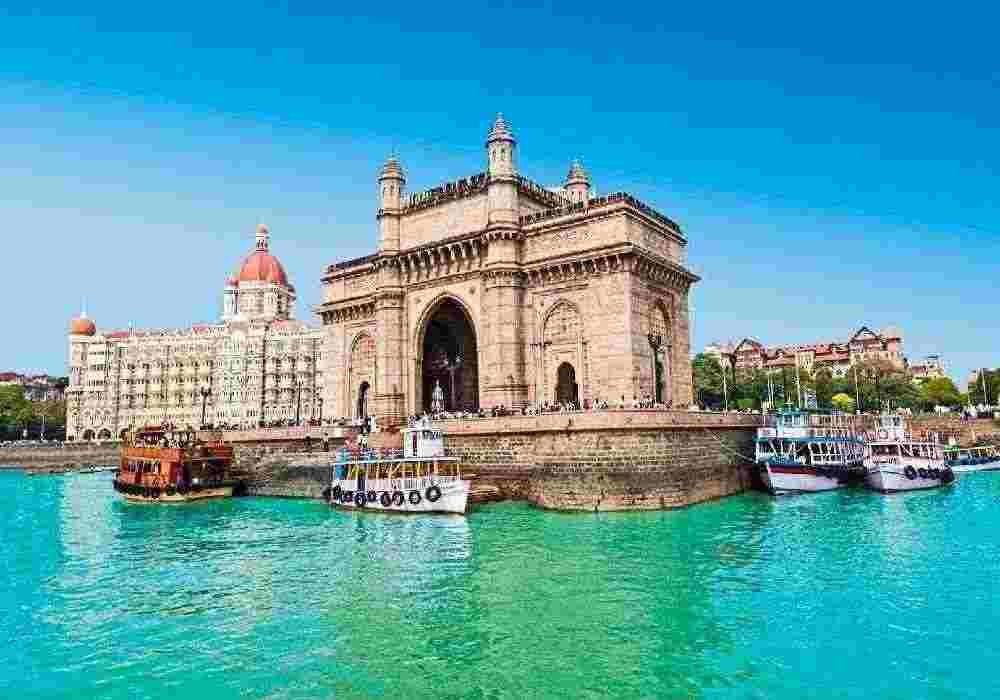
- Experience Gateway of India & Marine Drive, Mumbai
- Discover Bengaluru Lalbagh Botanical Garden
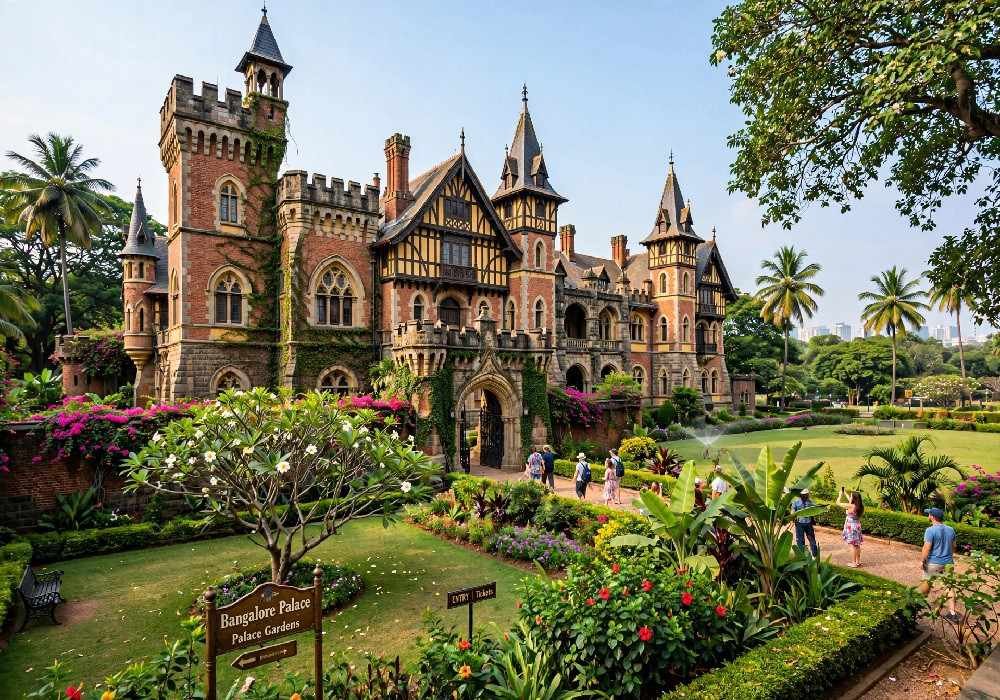
- Visit Bangalore Palace & Cubbon Park
- Comfortable hotel stays with daily breakfast
- Private AC vehicle for all transfers & sightseeing
- English-speaking guide at major attractions
- Description
- Itinerary
- Reviews
-
Canberra to Delhi Agra Jaipur Mumbai Bengaluru Tour Package
Canberra exists because Sydney and Melbourne couldn't agree on which of them deserved to be Australia's capital, so in 1908 the decision was made to build an entirely new city as a compromise, designed from scratch by American architect Walter Burley Griffin. Bengaluru, the final stop on this trip, has its own version of that same deliberate purpose, though built for a very different reason — transformed over the 20th century into India's technology and aerospace hub through concentrated public and private investment, rather than growing organically the way most Indian cities did. This trip, for travellers flying out of Canberra, moves through Delhi, Agra, Jaipur and Mumbai before closing in the one city on the route that was, in its own way, built for a job.
Cities Built Around a Purpose
Not every city grows the same way. Some accumulate history over centuries; others are shaped deliberately around a specific role. This trip mostly moves through the former, before ending somewhere that fits the latter description far more closely.
Delhi
Tombs in a Park
Lodi Gardens brings together several 15th and 16th-century tombs belonging to rulers of the Lodi and Sayyid dynasties, set within a landscaped public park that today functions as much as a popular spot for morning walks and picnics as a historical site, giving Delhi's medieval history a genuinely relaxed, everyday setting rather than a purely formal one.
A Fortress Abandoned to the Forest
Tughlaqabad Fort, built in the 14th century and abandoned within decades due to a reported water shortage and a ruler's curse tied to local legend, now stands as a massive, crumbling ruin largely reclaimed by surrounding vegetation, offering a starkly different atmosphere from Delhi's better-preserved monuments.
Agra
A Tomb Covered in Persian Tile
Chini Ka Rauza, the tomb of a Persian scholar and Mughal court official, is decorated with glazed tilework in a style more closely associated with Persian architecture than the marble and sandstone typical of Agra's more famous monuments, and its relative obscurity means it draws a fraction of the crowds seen elsewhere in the city.
A City Built Around Leather
Beyond its monuments, Agra has been a centre for leather goods and footwear manufacturing for generations, an industry with roots stretching back to the Mughal era that continues to employ a significant portion of the city's workforce today, largely outside the view of most sightseeing itineraries.
Jaipur
A Temple Shared With Monkeys
Galtaji Temple, built around a natural spring in a narrow gorge outside Jaipur, has become known locally as the Monkey Temple due to the large population of rhesus macaques living throughout the complex, and its sacred water tanks remain a site of ritual bathing for pilgrims despite the site's more casual nickname.
A Museum Dedicated to a Single Craft
The Anokhi Museum of Hand Printing, housed in a restored haveli, focuses entirely on Rajasthan's traditional block-printing textile techniques, offering live demonstrations and a detailed look at a craft that's easy to overlook amid the city's larger palace architecture.
Mumbai
An Arts District With Its Own Festival
Kala Ghoda, a compact arts precinct in South Mumbai, hosts an annual multi-day festival each February featuring visual art, theatre, music and literature, and its year-round mix of galleries and heritage buildings makes it a useful counterpoint to the city's more commercial districts.
A Fort Facing the Sea
Worli Fort, built by the British in the late 17th century to help defend Mumbai's harbour, now sits in a quieter state of ruin overlooking the Arabian Sea, offering sweeping views and a noticeably less crowded alternative to the city's more visited coastal landmarks.
Bengaluru
A Seat of Government Carved From Granite
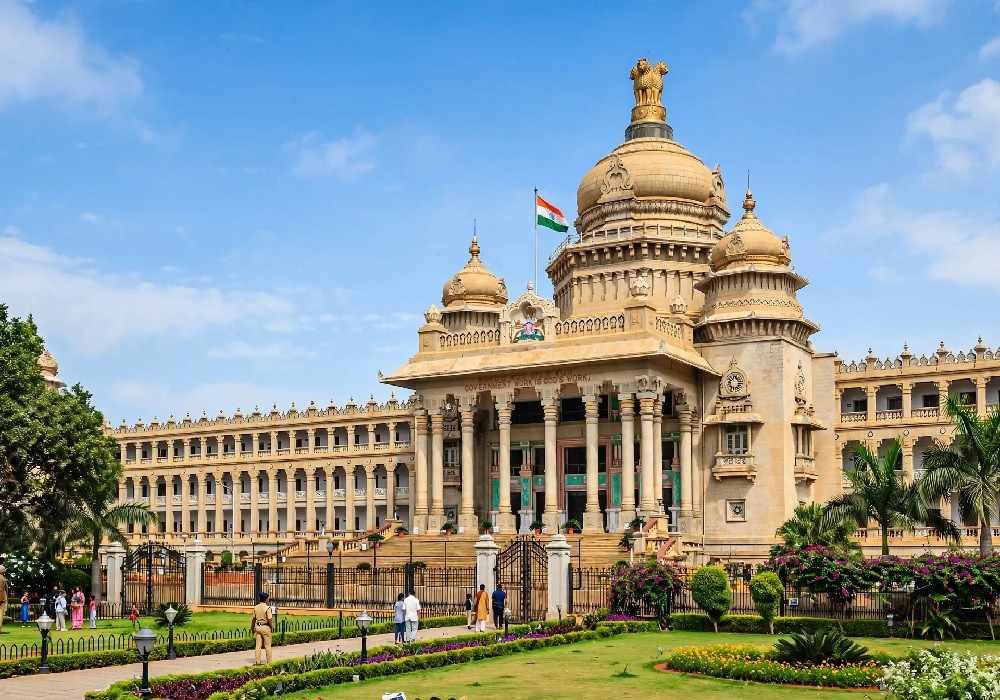
Vidhana Soudha, Karnataka's state legislature building, was completed in 1956 in a distinctive Neo-Dravidian style, built almost entirely from granite quarried locally and intended, according to accounts of its construction, to reflect Indian architectural pride during the years following independence rather than continuing colonial-era design conventions.
A Garden That Predates the City's Tech Reputation
Lalbagh Botanical Garden, originally laid out under Hyder Ali in the 18th century and later expanded by his son Tipu Sultan, includes a glasshouse modelled on London's Crystal Palace, and remains one of the clearest reminders that Bengaluru's identity long predates its more recent reputation as India's technology hub.
Five Cities, Different Reasons for Existing
Canberra's own origin story as a deliberately built compromise capital makes for an interesting lens on this trip — most of these Indian cities grew organically over centuries, while Bengaluru, in its own way, was shaped just as deliberately around a modern purpose. If a trip built around that kind of contrast interests you, let us know your travel dates from Canberra and we'll start shaping the details.Package Inclusions
- Return airfare (Canberra – Delhi – Mumbai/Bengaluru – Canberra)
- Airport transfers
- Hotel accommodation as per selected category
- Daily breakfast
- Private air-conditioned vehicle for sightseeing
- Guided tours at major attractions
- Toll tax, parking, fuel & driver allowance
Package Exclusions
- Hotel taxes
- India Visa fees
- Travel insurance
- Lunch and dinner
- Monument entrance fees
- Boat ride charges (if any)
- Camera/video charges
- Personal expenses
- Tips and porterage
- GST/TCS (if applicable)
- Anything not mentioned in inclusions
Frequently Asked Questions About "Canberra to Delhi Agra Jaipur Mumbai Bengaluru Tour Package"
Is Tughlaqabad Fort safe to walk through given its ruined condition?
Designated walking areas are generally safe and well maintained, though visitors should stick to marked paths given the fort's age and crumbling sections.
Is Chini Ka Rauza open daily, or does it require special access?
It's generally open daily with standard entry, though its lower visitor numbers mean it's worth confirming current hours before your visit.
Is Galtaji Temple safe to visit given the monkey population?
Yes, though visitors are generally advised to keep food out of sight and avoid direct interaction with the monkeys, who are accustomed to the site but can be food-motivated.
Is the Kala Ghoda Festival something we can time our Mumbai visit around?
Yes, if your travel dates align with February, we can help structure your Mumbai stop around the festival's key events.
Is Worli Fort easy to access, or does it require a long walk?
It's a relatively short walk from the nearest road access point, making it a manageable stop rather than requiring significant hiking.
How do we travel between Mumbai and Bengaluru given the distance involved?
This leg is covered by a short domestic flight, and we coordinate this connection as part of your overall itinerary.
-
-
Day 1
-
Day 2
Delhi Sightseeing
India Gate Qutub Minar Humayun's Tomb Lotus Temple Overnight stay -
Day 3
Delhi to Agra
Drive to Agra Hotel check-in Evening free Overnight stay -
Day 4
Agra Sightseeing
Taj Mahal sunrise visit Agra Fort Local markets Overnight stay -
Day 5
Agra to Jaipur
Drive to Jaipur Hotel check-in Evening leisure Overnight stay -
Day 6
Jaipur Sightseeing
Amber Fort Jal Mahal Hawa Mahal City Palace Jantar Mantar Overnight stay -
Day 7
Jaipur to Mumbai
Flight to Mumbai Hotel check-in Marine Drive sunset Overnight stay -
Day 8
Mumbai Sightseeing
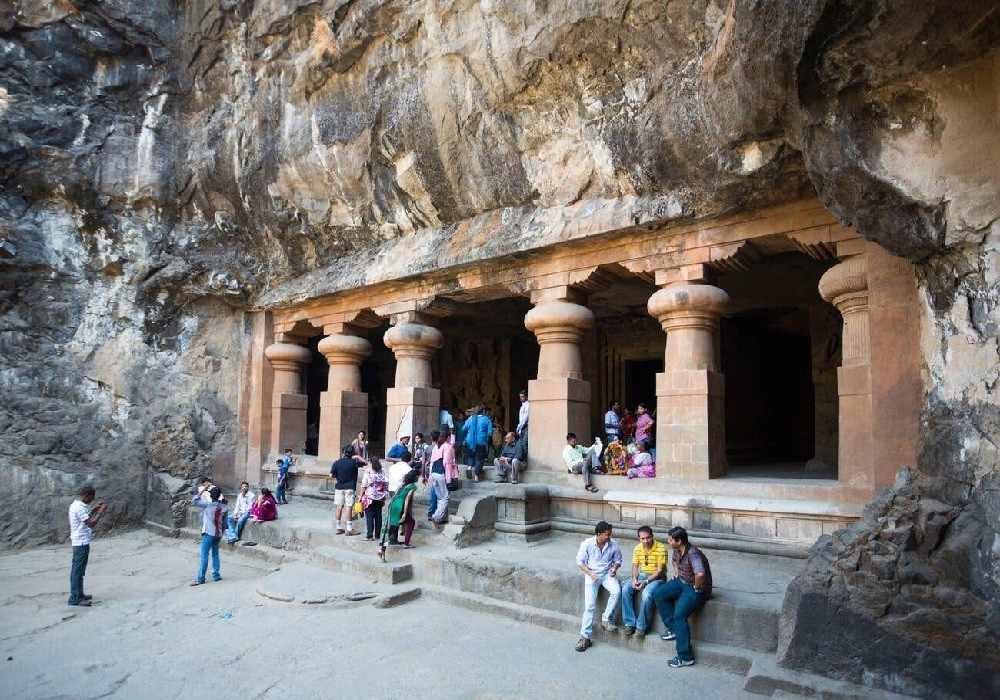
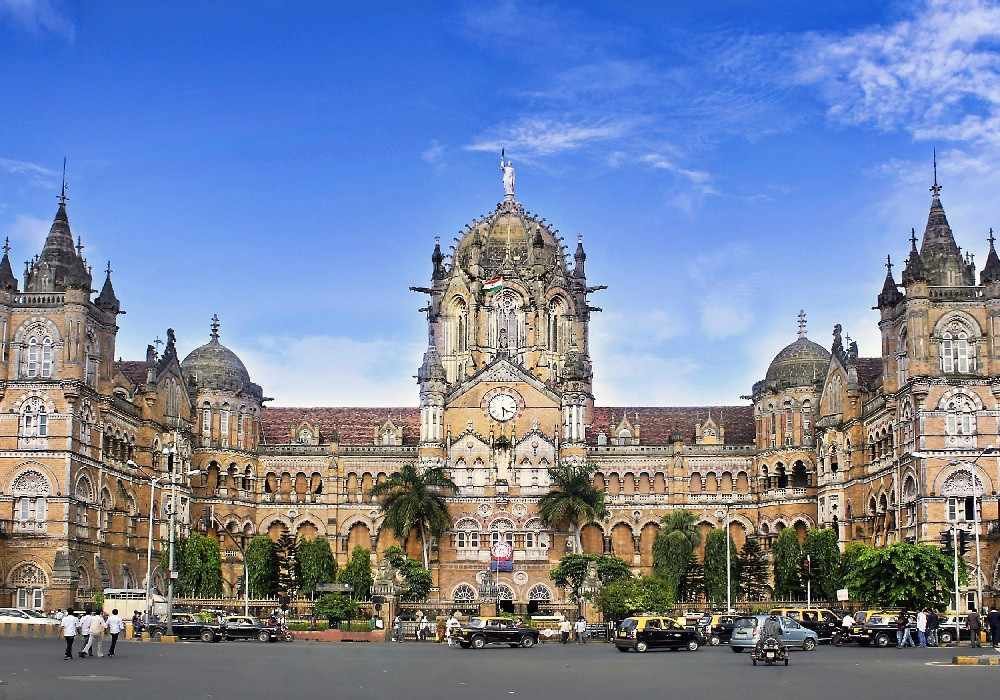
Gateway of India CST Station Colaba Market Optional Elephanta Caves Overnight stay -
Day 9
Mumbai to Bengaluru
Flight to Bengaluru Hotel check-in Leisure time Overnight stay -
Day 10
Bengaluru Sightseeing
Lalbagh Botanical Garden Bangalore Palace Cubbon Park UB City Overnight stay -
Day 11
Departure
Transfer to airport Return flight to Canberra Tour ends with cultural and modern India experience
-
Day 1
-
Similar Packages in Australia to Delhi Tour
![]() From ₹254,999 View Details
From ₹254,999 View Details![]() From ₹289,999 View Details
From ₹289,999 View Details![]() From ₹271,999 View Details
From ₹271,999 View Details![]() From ₹269,999 View Details
From ₹269,999 View Details
Other Tours in Delhi
![]() From ₹116,999 View Details
From ₹116,999 View Details![]() From ₹129,999 View Details
From ₹129,999 View Details