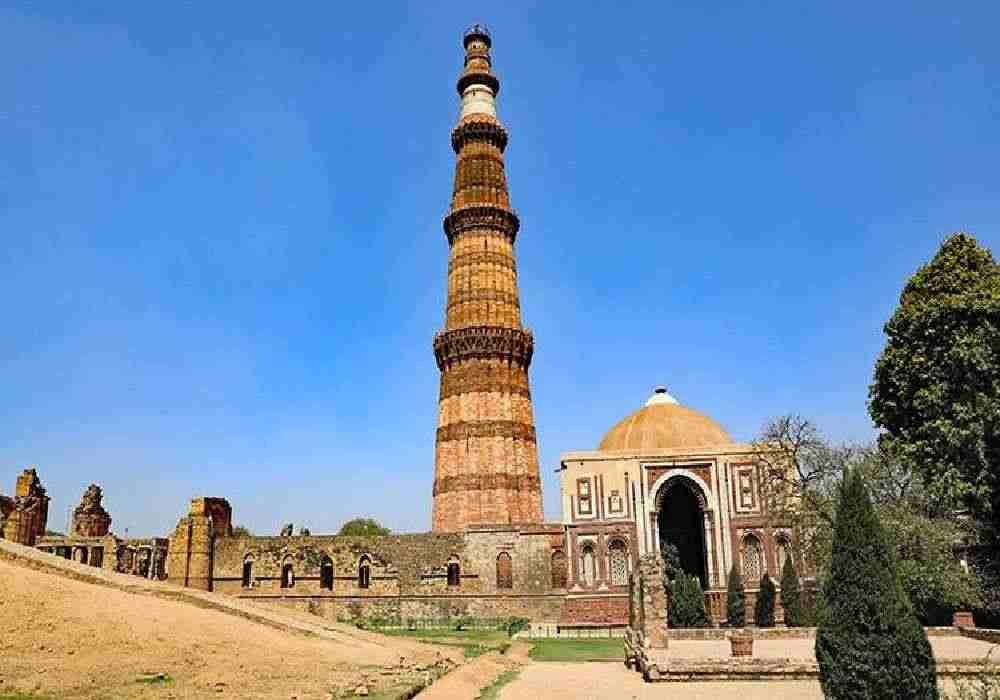
- Visit the magnificent Qutub Minar in Delhi
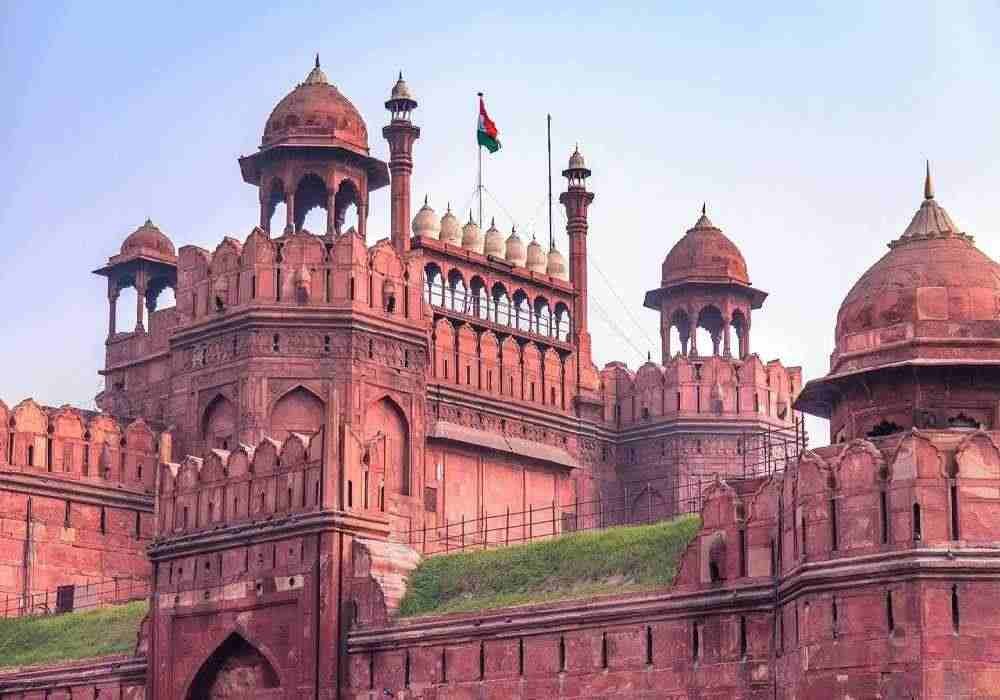
- Explore Delhi's rich Mughal and colonial heritage
- Enjoy scenic views along Marine Drive in Mumbai
- Discover Mumbai's iconic landmarks and local culture
- Explore the UNESCO-listed ruins of Hampi
- Visit ancient temples, royal enclosures, and stone monuments
- Relax at Goa's famous Baga Beach
- Enjoy beach activities, nightlife, and water sports
- Comfortable accommodation and seamless transfers
- Description
- Itinerary
- Reviews
-
Some India trips are built around a single theme — temples, or beaches, or cities. This one isn't. It's built around contrast, on purpose. You start at a 12th-century tower in Delhi, move to a sea-facing promenade in Mumbai, walk through the ruins of an empire in Hampi, and end barefoot on a Goan beach. Four completely different Indias, one trip.
We've put this route together specifically for travellers coming from Munich who want more depth than a standard sightseeing checklist — people who'd rather understand why a place matters than just photograph it and move on.
A Trip That Doesn't Follow the Usual Script
Most India itineraries pick one register and stay there — either heritage-heavy North India, or beach-focused Goa, rarely both. This route deliberately breaks that pattern, because the country itself doesn't fit into one register either.
What ties these four stops together isn't geography — Delhi, Mumbai, Hampi, and Goa aren't neighbours. What ties them together is that each one represents a different era or mood of India: Qutub Minar is Delhi's medieval past standing in stone, Marine Drive is Mumbai's modern pulse, Hampi is a vanished empire's capital reclaimed by boulders and banana plantations, and Baga Beach is simply India at rest.
Four Places, Four Very Different Moods
Qutub Minar: Delhi's Skyward Landmark
At 73 metres, Qutub Minar is the tallest brick minaret in the world, and it's been standing since the early 13th century, commissioned by Qutb al-Din Aibak to mark the start of Delhi's Sultanate era. What surprises most first-time visitors isn't the height — it's the detail. The tower's five storeys are carved with verses from the Quran and intricate geometric patterns, and the surrounding complex includes the Iron Pillar, a nearly 1,600-year-old structure that has famously resisted rusting, a detail metallurgists still study today. Walking through the complex at a slow pace, rather than rushing to the base of the minaret for a photo, is really where this stop earns its place on the trip.
Marine Drive: Mumbai After Dark
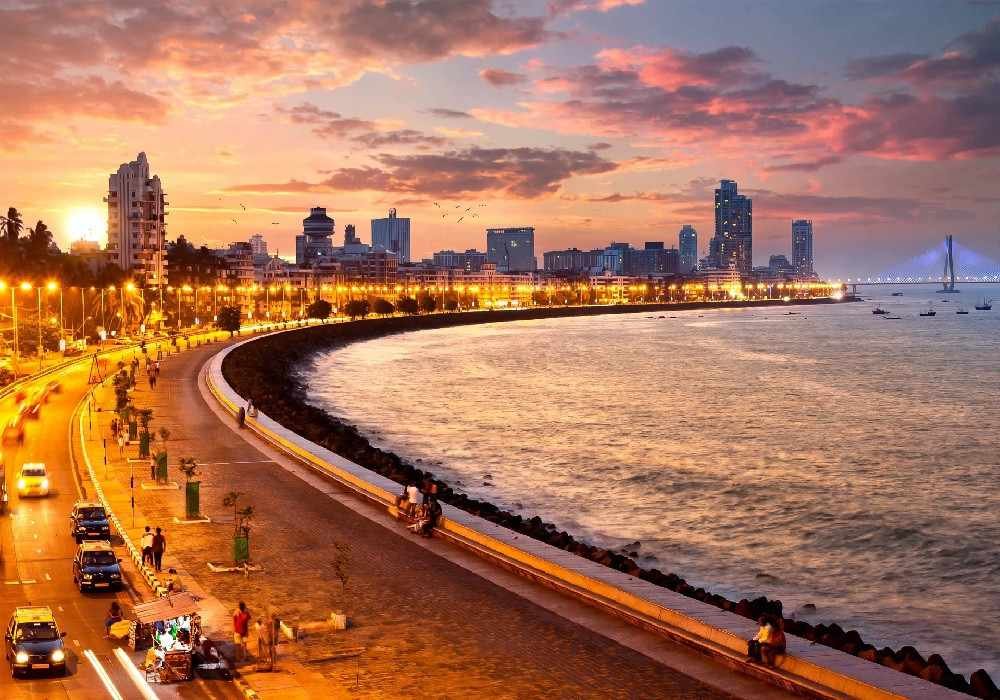
Marine Drive doesn't have the historical weight of Qutub Minar, and that's precisely the point of including it. This 3.6-kilometre curve of promenade along Mumbai's coastline is best experienced in the evening, when the streetlights along its length switch on and the whole stretch earns its nickname, the Queen's Necklace. It's less a monument and more a mood — locals jogging, couples sitting along the sea wall, vendors selling roasted corn, and the Arabian Sea doing what it's always done, indifferent to the city's rush behind it. If Qutub Minar shows you India's past, Marine Drive shows you its present, unscripted and lived-in.
Hampi: A City Frozen Mid-Empire
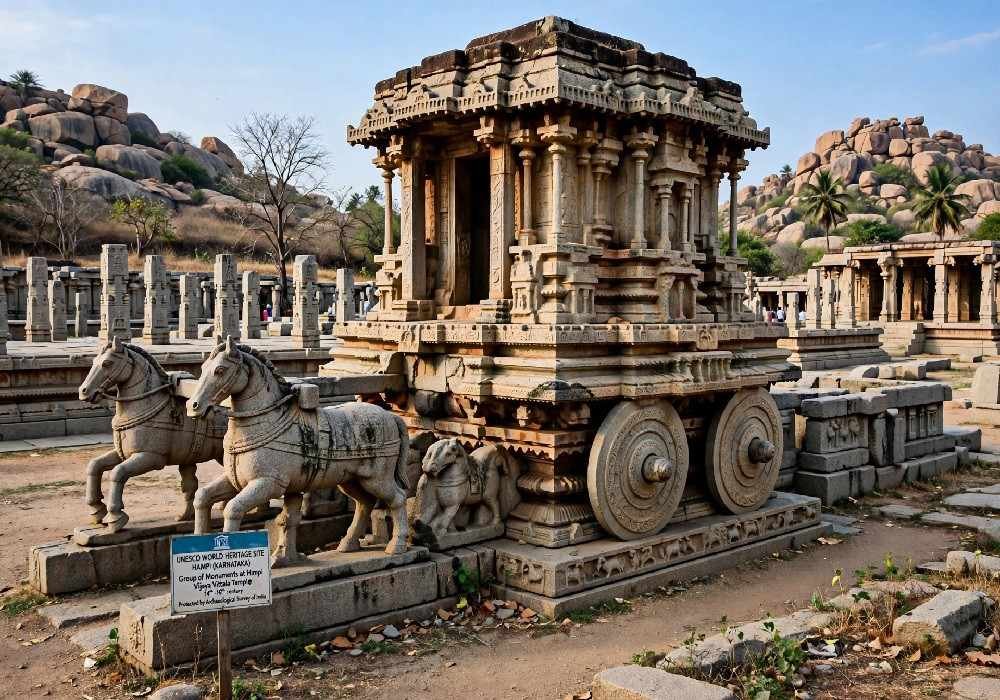
Hampi is where this trip slows down and asks for more time than any other stop. Once the capital of the Vijayanagara Empire, one of the wealthiest cities in the world during the 14th to 16th centuries, Hampi today is a UNESCO World Heritage Site spread across boulder-strewn landscapes on the banks of the Tungabhadra River. The Virupaksha Temple, still an active place of worship, sits alongside the ruined stone chariot at Vittala Temple and the eerily well-preserved elephant stables. What makes Hampi different from other ruins in India is scale — you're not looking at one monument, you're walking through what was once an entire functioning capital, now scattered across several square kilometres of granite hills.
Baga Beach: Where the Trip Exhales
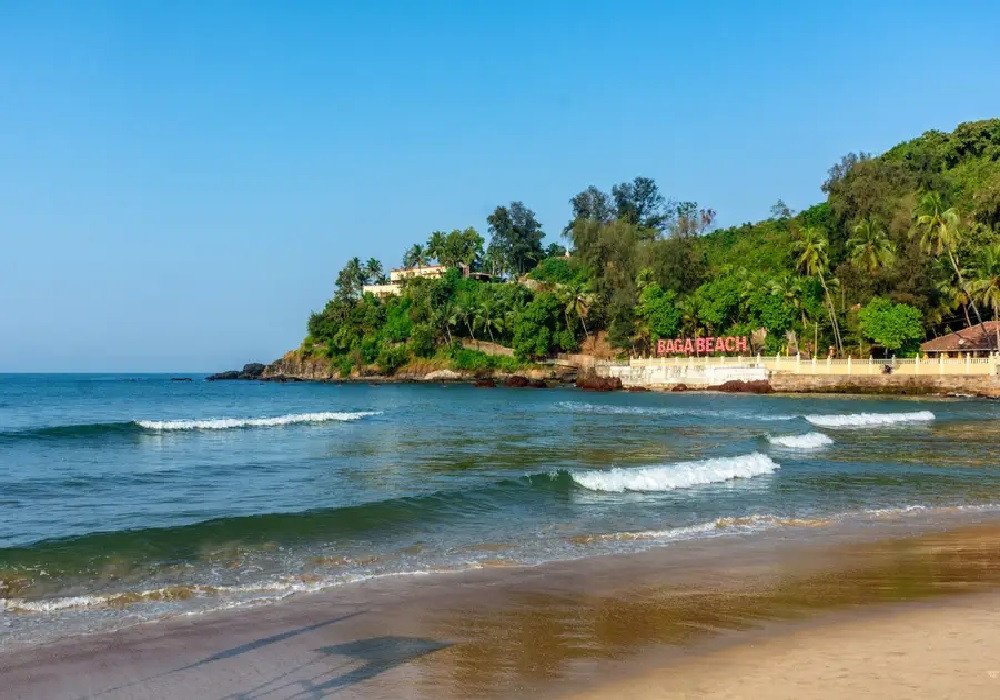
By the time you reach Baga Beach, in North Goa, the trip has covered a medieval tower, a modern seafront, and an entire lost empire. Baga is deliberately the stop with nothing to study — just a wide stretch of sand, beach shacks serving fresh seafood, water sports for those who want them, and sunsets that don't need any historical context to be worth watching. Former Portuguese territory, Goa's food and architecture still carry that influence, but Baga itself is less about heritage and more about giving the trip somewhere to land.
Planning Around This Route
Weather and Timing
Delhi and Mumbai are most comfortable from October to March, before the heat sets in. Hampi's granite landscape gets genuinely hot by midday even in cooler months, so early morning and late afternoon visits work best there year-round. Goa mirrors Delhi and Mumbai's window — November to February is peak season, with calm seas and pleasant evenings on Baga Beach.
Who This Trip Suits
This route rewards travellers who don't mind a slower pace at each stop rather than rushing between cities. It works well for couples, small groups, and solo travellers who want history and heritage without skipping downtime entirely — the trip is built with Baga Beach as a deliberate wind-down, not an afterthought.
Getting Between Destinations
Delhi, Mumbai, Hampi, and Goa aren't connected by a single road corridor, so this route relies on a mix of surface transfers and onward connectivity between cities, arranged separately based on your preferences. Hampi in particular is best reached via Hospet or Bellary, with a private transfer covering the final stretch to the ruins themselves.
Why Travellers Trust a Delhi-Based Team With This Route
A four-city trip spanning North India, West India, and the Deccan plateau needs more coordination than a single-region package. Our team has walked this exact route repeatedly, which means the hotel recommendations, the timing suggestions for Hampi's heat, and the sequencing of Qutub Minar before Marine Drive rather than after, all come from direct experience rather than a spreadsheet. Being based in Delhi also means we're in the same time zone as your trip as it unfolds, so any on-ground adjustment happens quickly.
Interested in tracing Delhi's history, Mumbai's coastline, Hampi's ruins, and Goa's beaches on one trip? Get in touch with our travel team to plan your route from Munich.
Package Inclusions
- Accommodation in selected hotels and resorts
- Daily breakfast
- Airport pick-up and drop-off assistance
- Intercity transfers as per itinerary
- Private air-conditioned vehicle for sightseeing
- Professional driver and local tour assistance
- Toll taxes, parking charges, fuel, and driver allowances
Package Exclusions
- Hotel taxes and service charges
- International airfare from Munich
- Domestic flights within India (unless specified)
- India tourist visa fees
- Travel insurance
- Lunches and dinners
- Monument entrance fees
- Water sports and optional activities in Goa
- Personal expenses and shopping
- Laundry, telephone charges, and minibar expenses
- Early check-in and late check-out charges
- Tips and gratuities
Frequently Asked Questions About "Munich to Qutub Minar Marine Drive Hampi Baga Beach Tour Package"
How many days does this route realistically need?
Most travellers need 10 to 12 days to cover Delhi, Mumbai, Hampi, and Goa without feeling rushed, with Hampi and Goa each deserving at least two full days.
Is Hampi worth the extra travel effort compared to a more accessible destination?
Yes — Hampi's scale and setting are unlike anywhere else in India, and most travellers who include it call it the unexpected highlight of the trip rather than a detour.
Can this itinerary be reordered?
Yes. Some travellers prefer ending in Delhi rather than starting there, or inserting extra days in Goa at the end. The four stops work in almost any sequence.
Is this trip physically demanding?
Hampi involves a fair amount of walking across uneven, rocky terrain, so comfortable footwear matters. The other three stops are comparatively easy-paced.
Do you help arrange transport between these cities?
We handle private transfers and connectivity planning between destinations as part of the ground package, based on your preferred dates and route sequence. -
-
Day 1
-
Day 2
Delhi Sightseeing
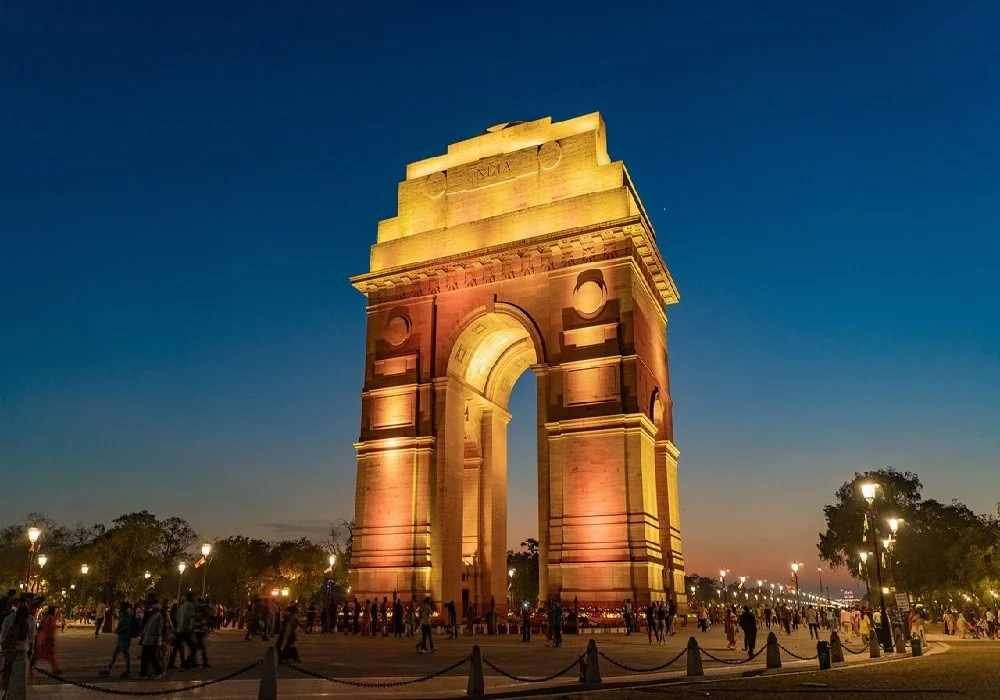
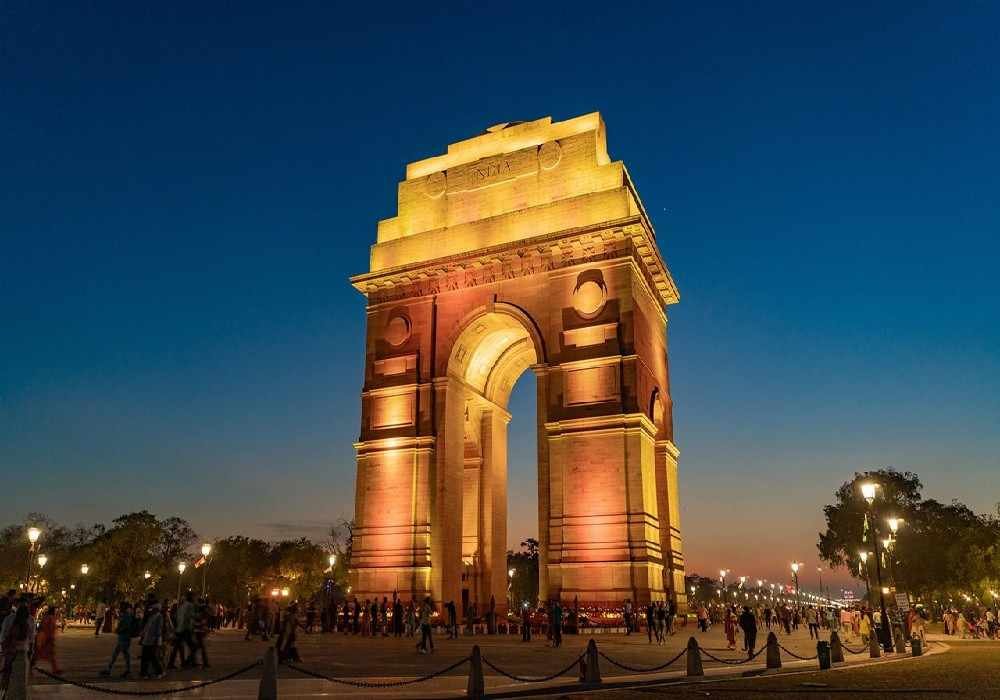
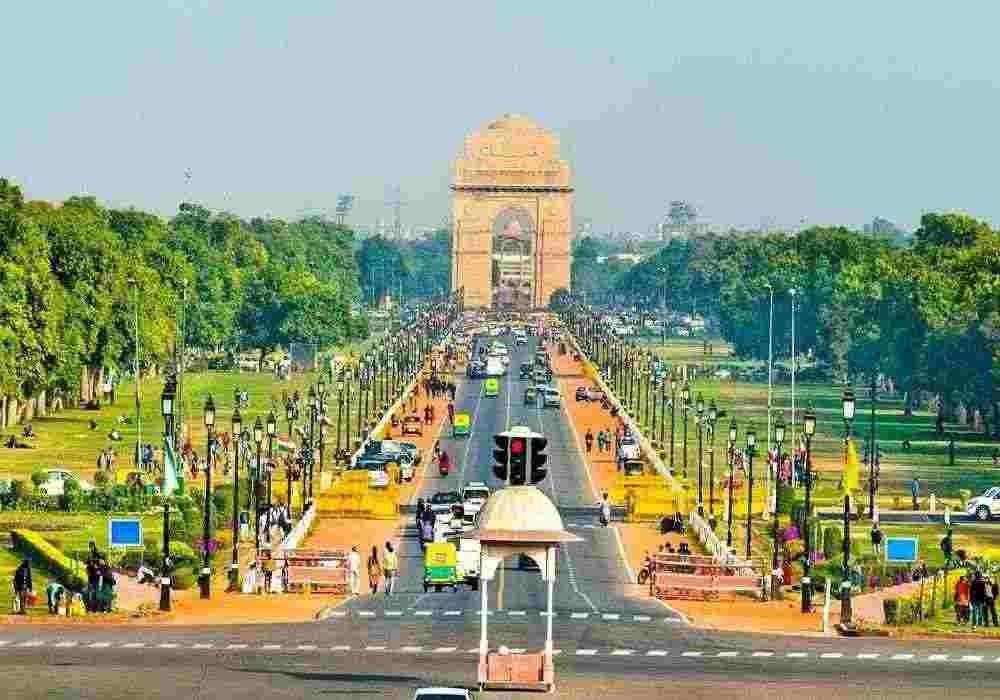
Explore the historical treasures of India's capital city. Visit Qutub Minar, Humayun's Tomb, India Gate, Lotus Temple, Raj Ghat, and bustling local markets. Learn about Delhi's rich cultural and architectural heritage. Overnight Stay: Delhi -
Day 3
Delhi – Mumbai
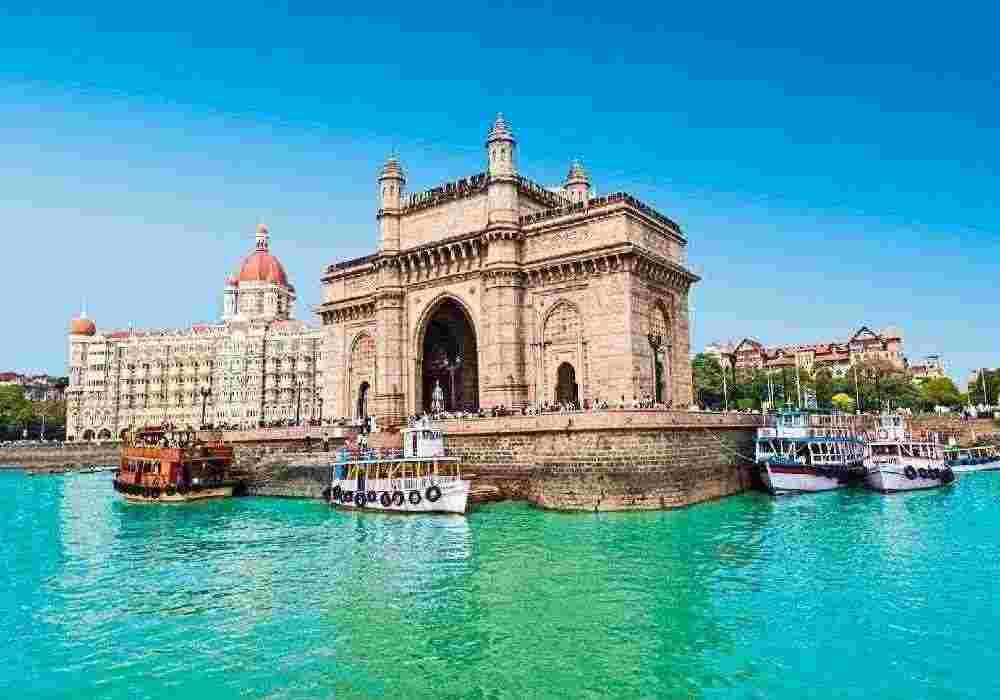
Fly to Mumbai, India's financial and entertainment capital. Visit Marine Drive, Gateway of India, Colaba Causeway, and enjoy beautiful sunset views along the Arabian Sea coastline. Overnight Stay: Mumbai -
Day 4
Mumbai City Exploration
Discover Mumbai's top attractions including Elephanta Caves, Chhatrapati Shivaji Maharaj Terminus, Hanging Gardens, and Juhu Beach. Experience the city's vibrant energy and diverse culture. Overnight Stay: Mumbai -
Day 5
Mumbai – Hampi
Fly to Hubballi or Bengaluru and proceed to Hampi. Check into your hotel and enjoy a relaxing evening surrounded by the historical landscape of the Vijayanagara Empire. Overnight Stay: Hampi -
Day 6
Hampi Heritage Tour
Spend the day exploring Hampi's UNESCO World Heritage monuments. Visit Virupaksha Temple, Vittala Temple, Stone Chariot, Lotus Mahal, Elephant Stables, and the Royal Enclosure. Witness one of India's most spectacular archaeological sites. Overnight Stay: Hampi -
Day 7
Hampi – Goa
Travel to Goa and check into your beach resort. Enjoy leisure time at the beach and experience Goa's relaxed atmosphere. Overnight Stay: Goa -
Day 8
North Goa Sightseeing
Visit Baga Beach, Calangute Beach, Candolim Beach, Fort Aguada, and local markets. Enjoy optional water sports activities and vibrant beachside entertainment. Overnight Stay: Goa -
Day 9
South Goa Exploration
Explore South Goa's attractions including Basilica of Bom Jesus, Se Cathedral, Dona Paula, Miramar Beach, and Panaji. Discover Goa's Portuguese heritage and scenic beauty. Overnight Stay: Goa -
Day 10
Goa Departure
After breakfast, transfer to Goa Airport for your return journey to Munich with unforgettable memories of India.
-
Day 1
-
Similar Packages in Germany to Delhi Tour
![]() From ₹124,999 View Details
From ₹124,999 View Details![]() From ₹114,999 View Details
From ₹114,999 View Details![]() From ₹109,499 View Details
From ₹109,499 View Details![]()
Dresden to India Gate Ajanta Ellora Mysore Palace Calangute Beach Tour Package
Delhi
12 Nights / 13 Days
From ₹122,999 View Details
Other Tours in Delhi
![]() From ₹116,999 View Details
From ₹116,999 View Details![]() From ₹129,999 View Details
From ₹129,999 View Details