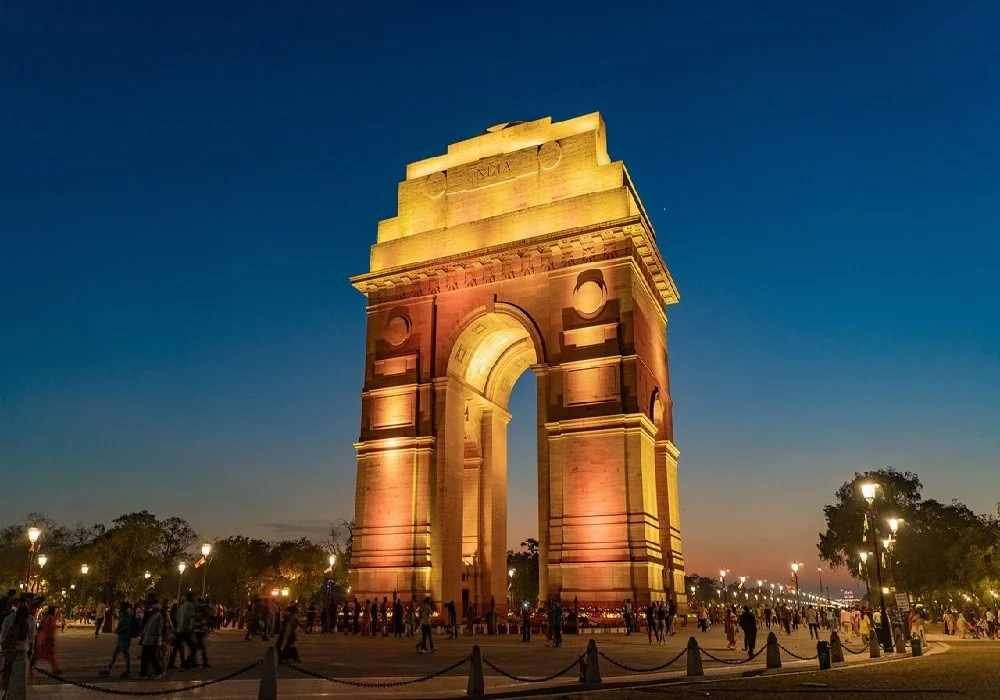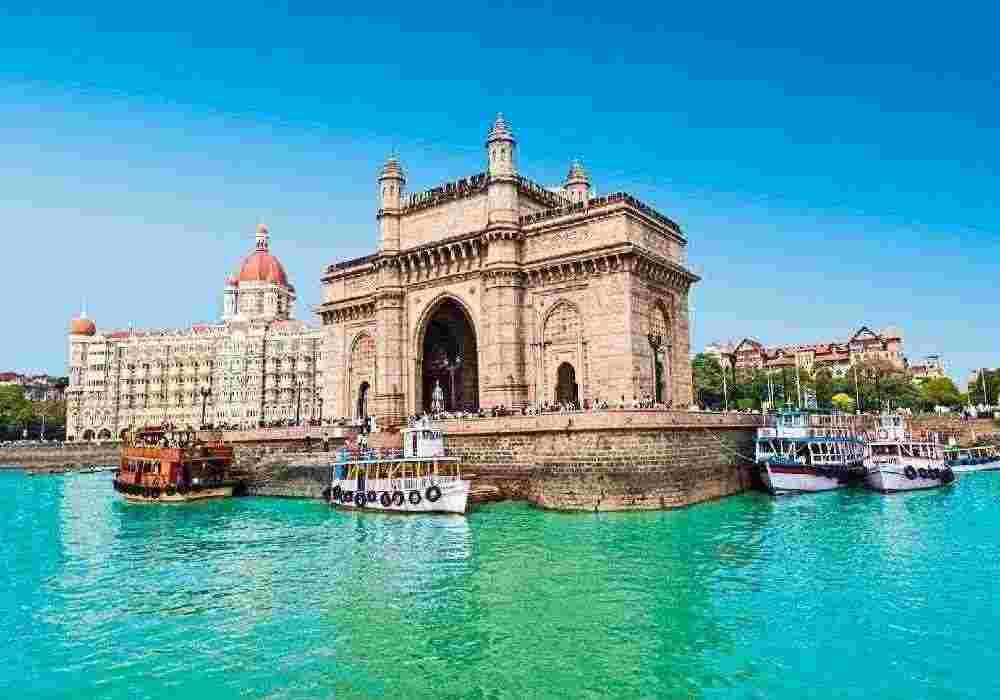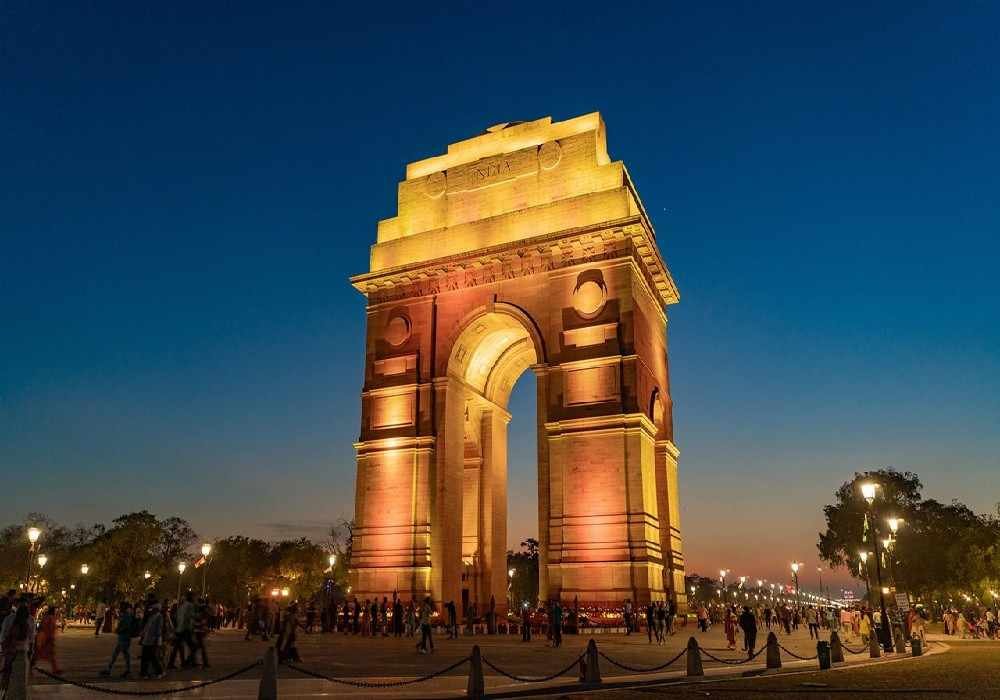
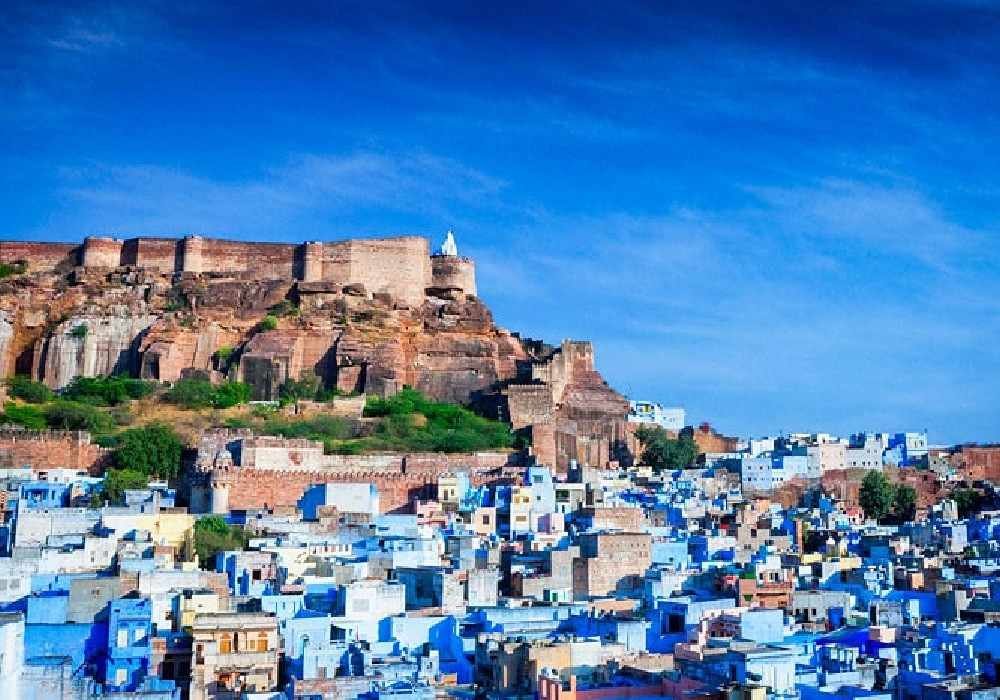
- Return international flights from Fukuoka to India
- Visit Nalanda University ruins (UNESCO World Heritage Site)
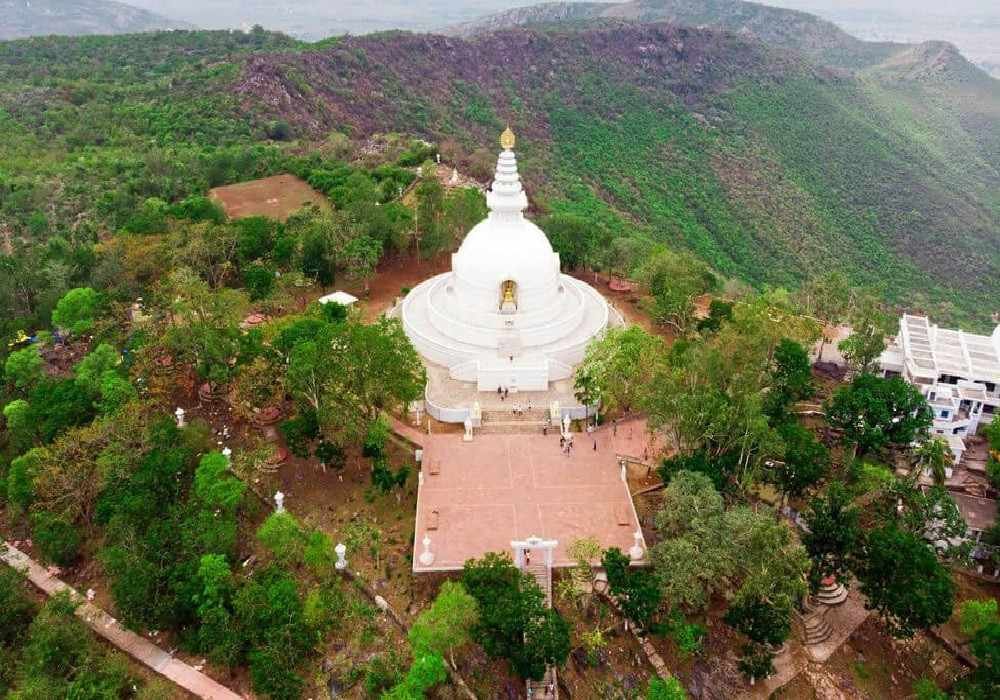
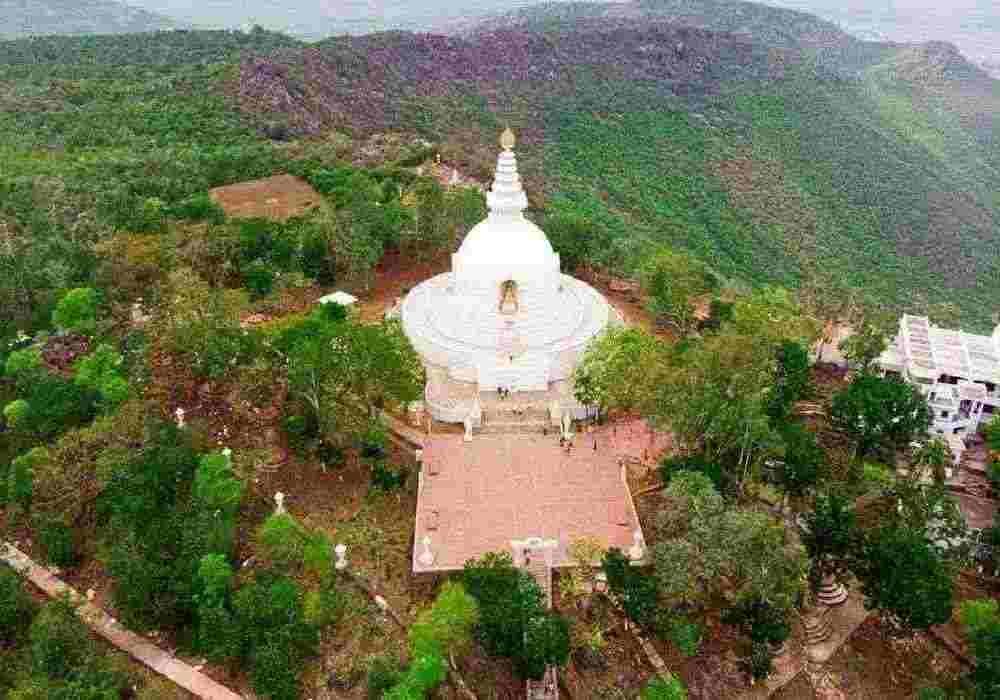
- Explore Rajgir Buddhist circuit including Vishwa Shanti Stupa
- Discover Bodh Gaya (optional extension via Gaya route)
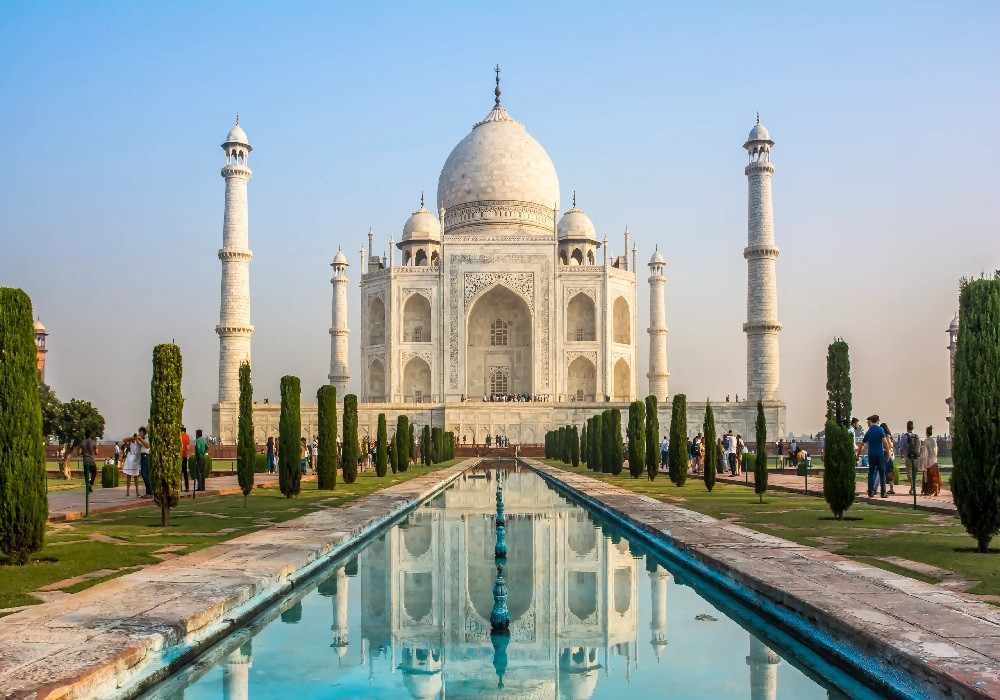
- Witness the majestic Taj Mahal at sunrise
- Explore Mehrangarh Fort, Jodhpur
- Visit Jaswant Thada & Umaid Bhawan Palace Museum
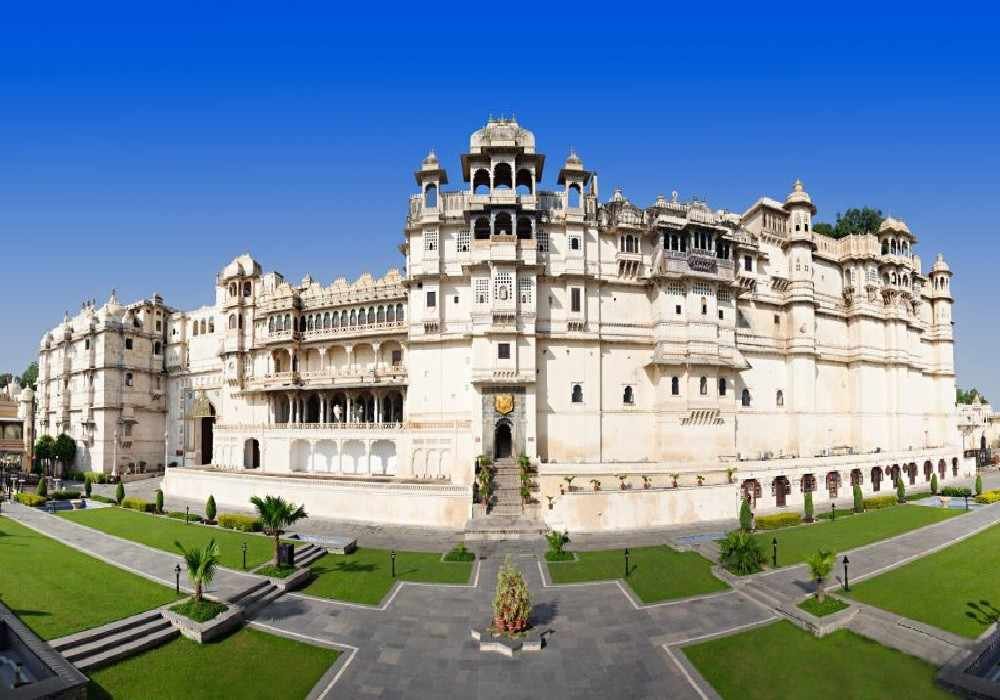
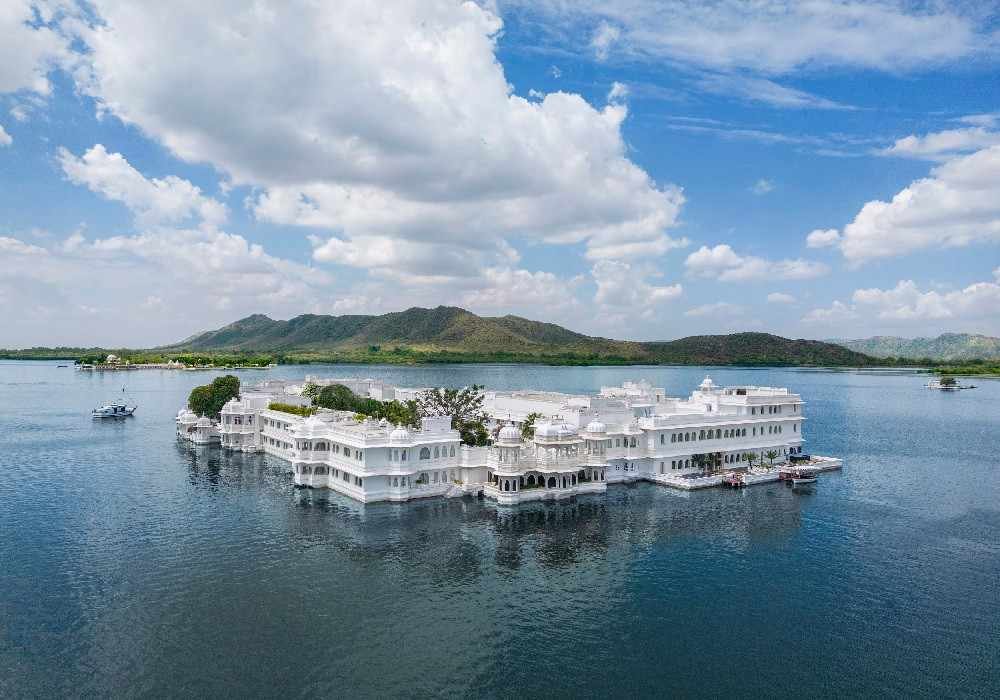
- Experience City Palace Udaipur & Lake Pichola
- Comfortable hotels with daily breakfast
- Private AC vehicle for all transfers & sightseeing
- English-speaking guide at major monuments
- Description
- Itinerary
- Reviews
-
Long before Yokohama or Kobe opened their ports to the wider world, Fukuoka's Hakata Bay was already Japan's primary point of contact with continental Asia, and it was through this same stretch of coastline, historians generally agree, that Buddhism first reached Japanese shores in the 6th century, carried over from the Korean kingdom of Baekje. Fukuoka has spent well over a thousand years as Japan's original gateway east; this trip runs the same route in reverse, tracing that path back toward its source in Bihar before moving on into Rajasthan's fort cities and palaces.
Tracing a Path Back to the Source
There's a certain symmetry in starting a trip like this from Fukuoka specifically. The city has always been Japan's point of first contact with new ideas arriving from the mainland, and this itinerary essentially retraces that exchange backward — from Nalanda's ancient centre of learning, through Rajgir's foundational Buddhist sites, and into an entirely different chapter of Indian history at the Taj Mahal, Mehrangarh Fort and Udaipur.
Nalanda: A City Built for Study
Cells, Courtyards and a Working Water System
Beyond its famous library, Nalanda's surviving ruins reveal a surprisingly sophisticated residential design — multi-storey monastery buildings, or viharas, organised around central courtyards with individual meditation cells, alongside a functioning drainage and water system that supported what was, in effect, a small self-contained city built entirely around scholarship
A Curriculum Wider Than Religion Alone
While Nalanda is remembered primarily as a centre of Buddhist philosophy, historical records indicate its curriculum extended into grammar, logic, medicine, astronomy and mathematics, drawing students who came not purely for religious study but for what was, by the standards of the era, an unusually broad education.
Rajgir: Where Organised Buddhist Monastic Life Began
The Bamboo Grove Monastery
Venuvana, a bamboo grove gifted to the Buddha by King Bimbisara, is considered the very first monastery established for Buddhist monks to reside in during the rainy season, marking the formal beginning of organised monastic life within the tradition. The site today is a quiet, garden-like space, easy to underestimate given its foundational role in Buddhist history.
The Royal Residence Behind the Name
Rajgir's older name, Rajgriha, translates roughly to "royal residence," a reflection of its role as capital of the powerful Magadha empire under rulers including Bimbisara and his son Ajatashatru, whose reigns coincided directly with the early spread of Buddhist teaching across the region.
Taj Mahal: Stone From Home, Stone From Abroad
Marble Quarried Close to Where It Stands
The Taj Mahal's white marble was sourced from the Makrana quarries in Rajasthan, a stretch of the same state the trip later travels through en route to Jodhpur and Udaipur, while its inlaid semi-precious stones were brought in from considerably further afield, including Afghanistan, Tibet and Sri Lanka.
Forty-Six Flowers in Stone
Botanists studying the pietra dura floral inlay work across the monument have identified motifs corresponding to roughly 46 distinct plant species, many rendered with enough anatomical accuracy to be identified by type, a level of naturalistic detail unusual for architectural ornamentation of the period.
Mehrangarh Fort: Designed to Be Heard, and Not Heard
The Pearl Palace's Whispering Walls
Moti Mahal, the fort's Pearl Palace, was designed with a lime-plaster and mirror-work finish specifically to improve acoustics for royal council meetings, allowing even a whisper from the ruler's seat to carry clearly across the hall — a functional design choice as much as a decorative one.
A Collection Built Around Textiles and Turbans
The fort's museum holds one of the region's most extensive turban and textile collections, reflecting the dozens of distinct styles historically worn across different communities and occasions in Rajasthan, each carrying its own social and regional meaning.
Udaipur: Beyond the Palace and the Lak
Bagore ki Haveli
This 18th-century haveli on the edge of Lake Pichola now operates as a museum housing what's recognised as one of the world's largest turban collections, alongside evening performances of Dharohar, a folk dance show drawing on traditions from across Rajasthan.
Fateh Sagar Lake
A short distance from Lake Pichola, Fateh Sagar Lake offers a quieter, less touristed alternative, with a small island housing Nehru Park reachable by boat, and considerably fewer crowds than the more famous lake nearby.
An Old Gateway, Traced in Reverse
Fukuoka's long history as Japan's first point of contact with the wider world gives this trip a genuine sense of direction rather than just a list of stops — from the foundations of organised Buddhist life in Rajgir, through Nalanda's forgotten curriculum, and into the very different worlds of Mughal Agra and Rajput Rajasthan. If that kind of throughline appeals to you, let us know your travel dates from Fukuoka and we'll start putting the trip together.Package Inclusions
- Return airfare (Fukuoka – Gaya/Delhi – Jodhpur/Udaipur – Fukuoka)
- Airport transfers
- Hotel accommodation as per selected category
- Daily breakfast
- Private air-conditioned vehicle for sightseeing
- Guided tours at major attractions
- Toll tax, parking, fuel & driver allowance
Package Exclusions
- Hotel taxes
- India Visa fees
- Travel insurance
- Lunch and dinner
- Monument entrance fees
- Boat ride charges (Lake Pichola, etc.)
- Camera/video charges
- Personal expenses
- Tips and porterage
- GST/TCS (if applicable)
- Anything not mentioned in inclusions
Frequently Asked Questions About "Fukuoka to Nalanda University Rajgir Taj Mahal Mehrangarh Fort Udaipur Tour Package"
Is the connection between Fukuoka and Buddhism's arrival in Japan well documented, or mostly tradition?
It's broadly supported by historical scholarship, with Kyushu's coastal position making it the most plausible and commonly cited point of first contact for continental ideas reaching Japan.
Is Venuvana worth visiting given how modest it sounds compared to other Rajgir sites?
Yes, its significance lies in its historical role rather than its scale, and most travellers find its quiet, garden-like setting a meaningful contrast to some of the trip's grander stops.
How were the Taj Mahal's inlay stones actually transported from places as far as Afghanistan?
Historical records point to established Mughal-era trade routes and diplomatic relationships that facilitated the movement of rare stones across considerable distances, reflecting the empire's broader trading reach.
Is Moti Mahal's acoustic design something we can actually experience during a visit?
Guides typically demonstrate the effect on-site, and it remains one of the more memorable, interactive moments during a Mehrangarh Fort tour.
Is Fateh Sagar Lake worth adding if we're already visiting Lake Pichola?
We think so — it offers a quieter, different perspective on Udaipur, particularly for travellers who want a break from the more heavily visited palace and lake areas.
How do we get from Rajgir to Jodhpur, given the distance between Bihar and Rajasthan?
This leg is covered by a flight, generally routed through Delhi, since there's no practical direct road connection given the distance involved.
-
-
Day 1
-
Day 2
Rajgir & Nalanda
Vishwa Shanti Stupa Gridhakuta Hill Nalanda University ruins Nalanda Museum Return to hotel Overnight stay -
Day 3
Travel to Agra
Transfer via flight/train Hotel check-in Evening leisure Overnight stay -
Day 4
Agra Sightseeing
Sunrise visit to Taj Mahal Agra Fort Local handicraft shopping Overnight stay -
Day 5
Agra to Jodhpur
Transfer to Jodhpur Hotel check-in Evening free Overnight stay -
Day 6
Jodhpur Sightseeing
Mehrangarh Fort Jaswant Thada Umaid Bhawan Palace Museum Clock Tower Market Overnight stay -
Day 7
Jodhpur to Udaipur
Transfer to Udaipur Hotel check-in Evening at Lake Pichola Overnight stay -
Day 8
Udaipur Sightseeing
City Palace Jagdish Temple Saheliyon Ki Bari Fateh Sagar Lake Optional boat ride on Lake Pichola Overnight stay -
Day 9
Departure
Transfer to airport Return flight to Fukuoka Tour ends with spiritual and cultural memories
-
Day 1
-
Similar Packages in Japan to Delhi Tour
![]() From ₹199,999 View Details
From ₹199,999 View Details![]() From ₹209,999 View Details
From ₹209,999 View Details![]() From ₹204,999 View Details
From ₹204,999 View Details![]() From ₹224,999 View Details
From ₹224,999 View Details
Other Tours in Delhi
![]() From ₹116,999 View Details
From ₹116,999 View Details![]() From ₹129,999 View Details
From ₹129,999 View Details