- Return international flights from Hiroshima to India
- Visit Mahabodhi Temple, Bodh Gaya (UNESCO World Heritage Site)
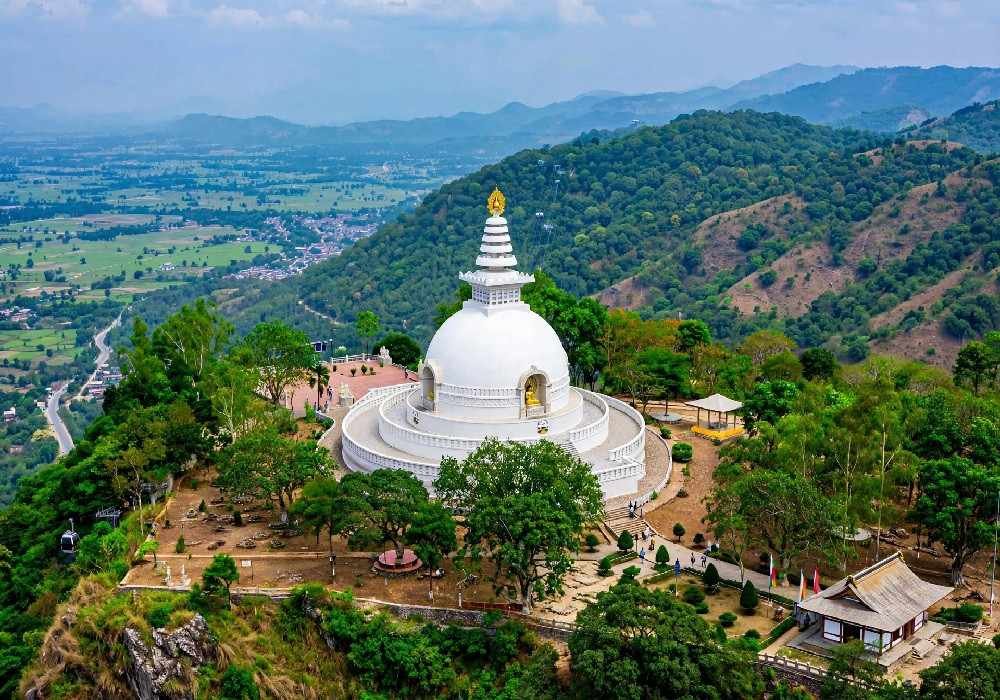
- Explore Vishwa Shanti Stupa, Rajgir
- Discover Nalanda University ruins (optional extension)
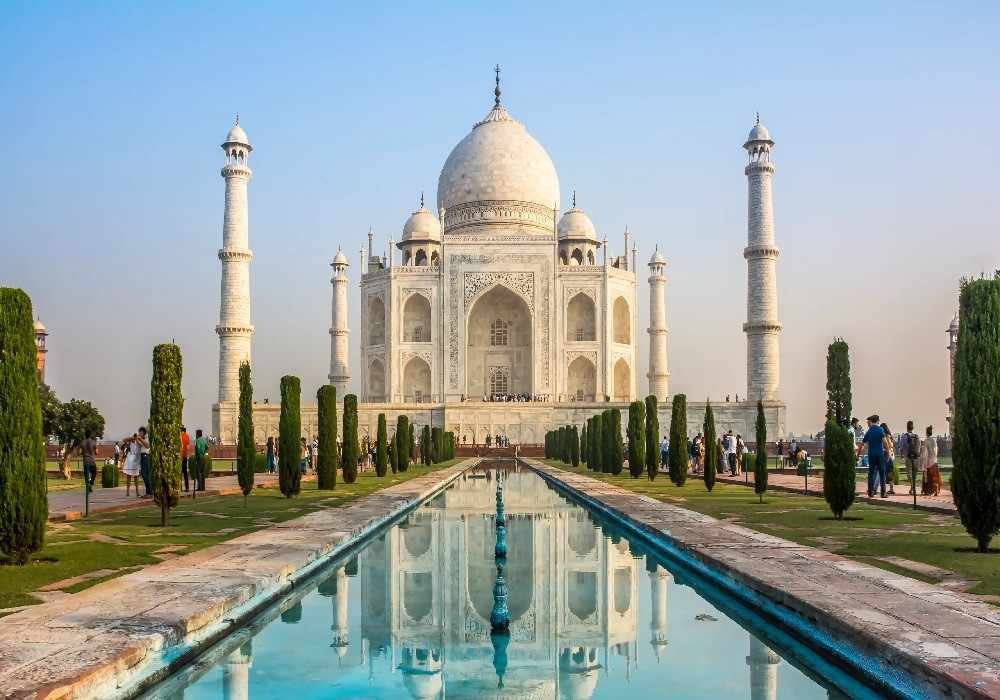
- Witness the iconic Taj Mahal at sunrise
- Visit Agra Fort
- Explore Amber Fort, Jaipur
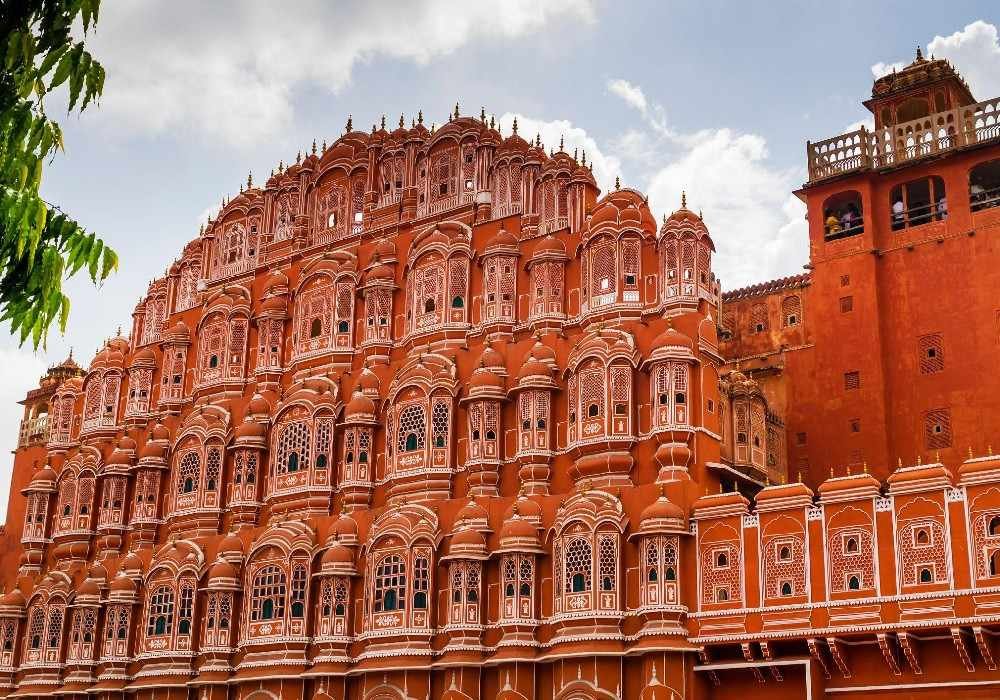
- Admire Hawa Mahal & City Palace, Jaipur
- Comfortable hotels with daily breakfast
- Private AC vehicle for all transfers & sightseeing
- English-speaking guide at major monuments
- Description
- Itinerary
- Reviews
-
Hiroshima's own Peace Memorial Park holds a pagoda built by the Nipponzan-Myohoji Buddhist order, the same movement responsible for the Vishwa Shanti Stupa standing in Rajgir, thousands of kilometres away in Bihar. Founded by the monk Nichidatsu Fujii after witnessing the aftermath of the Second World War, the order has spent decades building peace pagodas around the world as physical, standing reminders of its message. For travellers from Hiroshima, this trip carries a connection that few other India routes can genuinely claim, before moving on into Bodh Gaya's ancient spiritual roots and the very different, more worldly grandeur of the Taj Mahal, Hawa Mahal and City Palace.
A Shared Thread Running Through the Trip
It would be easy to treat Rajgir's peace pagoda as just another stop on an itinerary, but for anyone travelling from Hiroshima, it carries a more specific resonance — the same Buddhist order, the same underlying philosophy, expressed on the other side of Asia. The rest of the trip moves in a different direction entirely, into the history of Indian royalty and empire, but that opening thread stays present throughout.
Bodh Gaya: A Tree With Its Own Journey
A Cutting Sent to Sri Lanka
The Bodhi tree at the Mahabodhi Temple today isn't the original tree the Buddha sat beneath. According to historical accounts, Emperor Ashoka's daughter, the Buddhist nun Sanghamitta, carried a sapling from the original tree to Sri Lanka in the 3rd century BCE, where it was planted at Anuradhapura and survives to this day as one of the oldest documented trees in the world.
A Tree That Came Home
Centuries later, after the original Bodh Gaya tree was destroyed, a sapling grown from that same Sri Lankan tree was brought back and replanted at the original site — meaning the tree standing at Bodh Gaya today completed a round trip across the Indian Ocean before returning home.
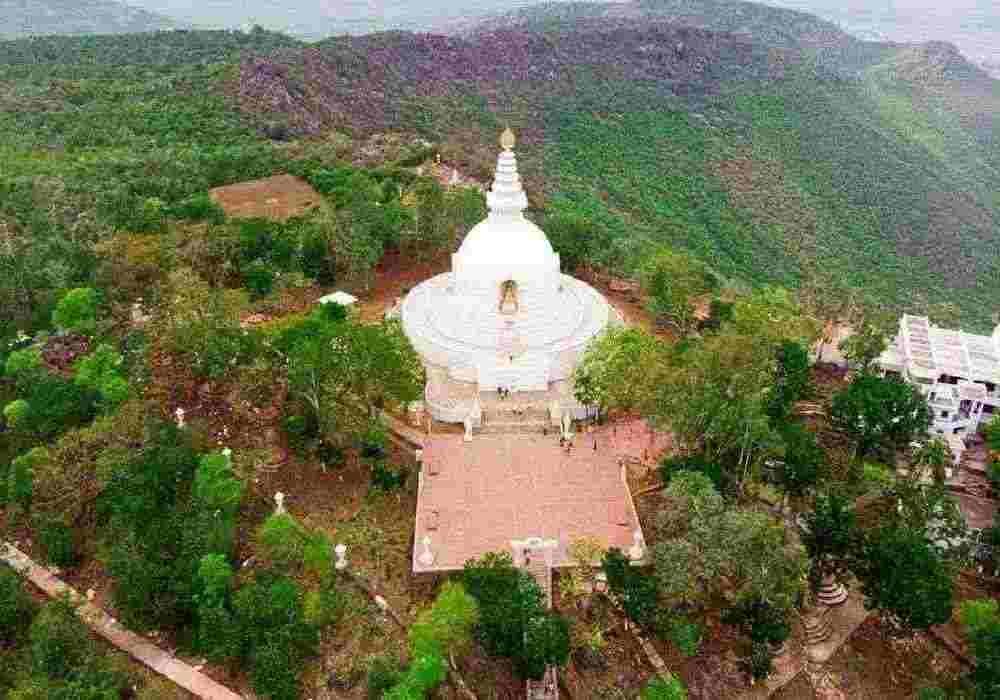
Vishwa Shanti Stupa: Rajgir's Connection to Hiroshima
Born From the Aftermath of War
The Nipponzan-Myohoji order built its first peace pagodas in the years following the Second World War, driven by Nichidatsu Fujii's conviction that physical monuments to peace could carry weight that words alone couldn't. The same order has built similar structures in cities including Hiroshima itself, making this one of the more direct, tangible links between the two places on this entire trip.
Four Statues, Four Chapters of a Life
Rajgir's version, reached by a cable car up Ratnagiri hill, features four gold-painted Buddha statues facing in different directions, each representing a different phase of the Buddha's life, set against wide views over the surrounding hills.
Taj Mahal: A View From Across the River
A King Imprisoned by His Own Son
Shah Jahan, who commissioned the Taj Mahal, spent his final years imprisoned by his own son, Aurangzeb, confined to a section of Agra Fort called the Musamman Burj.
A Monument Viewed Only From Afar
From his cell, according to widely repeated historical accounts, he could only view the tomb he'd built for his wife from a distance across the Yamuna River, reportedly relying at times on the reflection in a small mirror positioned to bring the monument into view. It's a detail that adds a quieter, more melancholic layer to a monument usually discussed purely in terms of its scale and beauty.
Hawa Mahal: Built in the Shape of a Crown
A Silhouette Modelled on Krishna's Crown
Designed by the architect Lal Chand Ustad in 1799, Hawa Mahal was reportedly conceived in the shape of Lord Krishna's crown, or mukut, a detail that becomes more apparent when viewing the building's tiered, pointed silhouette from certain angles rather than head-on.
Five Floors, Five Names
The structure is divided into five distinctly named sections across its floors — Sharad Mandir, Ratan Mandir, Vichitra Mandir, Prakash Mandir and the topmost Hawa Mandir — each historically associated with a different function or season, though today they're experienced together as a single walk-through visit.
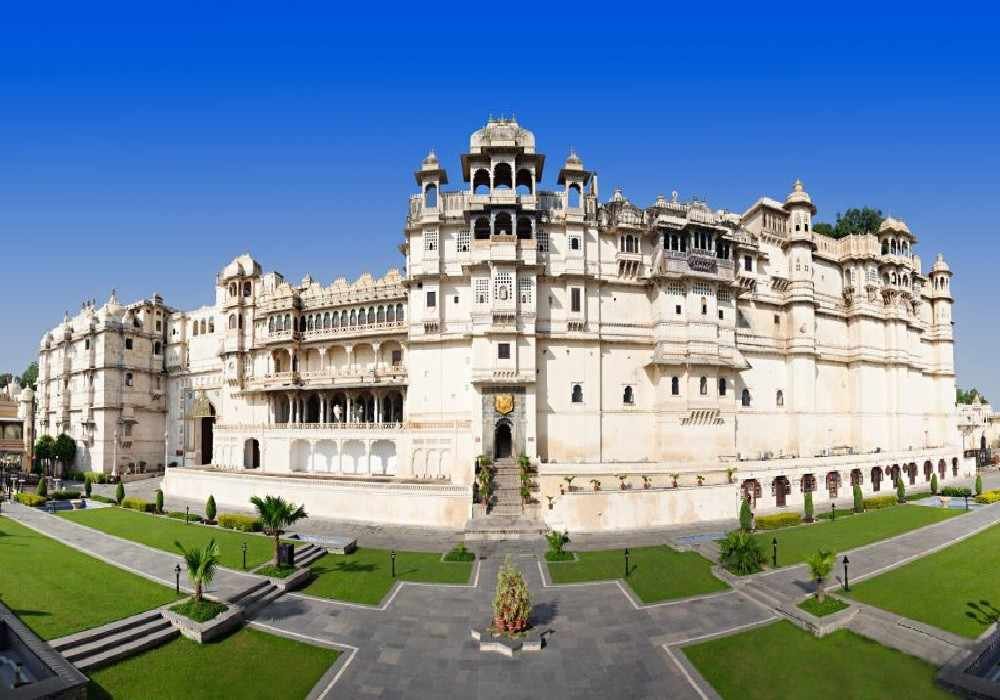
City Palace: Vessels Fit for a King's Voyage
The Largest Silver Objects in the World
Within City Palace's Sarbato Bhadra courtyard sit two enormous silver urns, known as the Gangajali, each standing over five feet tall and reportedly recognised as among the largest silver objects in the world.
Water Carried All the Way to England
They were commissioned by Maharana Sawai Madho Singh II to carry holy water from the Ganges for his personal use during a trip to England in 1902, since he was reportedly reluctant to drink foreign water during his travels — a small, oddly personal detail behind two of the palace's most physically striking objects.
A Trip That Carries Its Own Quiet Continuity
Few routes connect as directly back to a traveller's own city as this one does for anyone coming from Hiroshima, through a shared Buddhist peace movement expressed on opposite sides of Asia. From there, the trip moves through a tree with its own remarkable journey, a monument to grief viewed from a prison cell, and two very different sides of Jaipur's royal history. If that combination speaks to you, share your travel dates and we'll begin shaping the trip around them.Package Inclusions
- Return airfare (Hiroshima – Gaya/Delhi – Jaipur/Delhi – Hiroshima)
- Airport transfers
- Hotel accommodation as per selected category
- Daily breakfast
- Private air-conditioned vehicle for sightseeing
- Guided tours at major attractions
- Toll tax, parking, fuel & driver allowance
Package Exclusions
- Hotel taxes
- India Visa fees
- Travel insurance
- Lunch and dinner
- Monument entrance fees
- Camera/video charges
- Boat rides or local transport (if any)
- Personal expenses
- Tips and porterage
- GST/TCS (if applicable)
- Anything not mentioned in inclusions
Frequently Asked Questions About "Hiroshima to Bodh Gaya Vishwa Shanti Stupa Taj Mahal Hawa Mahal City Palace Tour Package"
Is the connection between Rajgir's stupa and Hiroshima something we'll actually notice during the visit, or is it mostly historical background?
The stupa itself doesn't include explicit Hiroshima references on-site, but knowing the shared origin of the Nipponzan-Myohoji order tends to add real meaning to the visit for travellers already familiar with Hiroshima's own peace pagoda.
Can we see the Musamman Burj at Agra Fort as part of this trip?
Yes, Agra Fort is typically included alongside a Taj Mahal visit, and the Musamman Burj remains one of its more poignant stops given its connection to Shah Jahan's final years.
Is the Bodhi tree's Sri Lanka connection something we can also see referenced at Bodh Gaya itself?
The story is well documented and often shared by guides on-site, though the tree itself doesn't carry a physical marker explaining its lineage, so it's worth having the context beforehand.
Are the Gangajali urns at City Palace still used for any ceremonial purpose today?
They're primarily displayed as historical artefacts now rather than used functionally, though they remain one of the most discussed objects in the palace's collection.
Is Hawa Mahal's crown-shaped design easy to notice while standing in front of it?
It's more apparent from certain angles and with the shape explained beforehand — many visitors don't immediately register the crown resemblance without knowing to look for it.
How do we travel between Bodh Gaya and Jaipur, given the distance?
This leg is covered by a flight connection, generally routed through Delhi, since there's no practical direct road journey between Bihar and Rajasthan.
-
-
Day 1
-
Day 2
Bodh Gaya Sightseeing
Mahabodhi Temple Bodhi Tree Great Buddha Statue Monasteries visit Meditation time Overnight stay -
Day 3
Rajgir & Nalanda
Vishwa Shanti Stupa Gridhakuta Hill Nalanda University ruins Nalanda Museum Return to hotel Overnight stay -
Day 4
Travel to Agra
Transfer via flight/train Hotel check-in Evening leisure Overnight stay -
Day 5
Agra Sightseeing
Sunrise visit to Taj Mahal Agra Fort Local market shopping Overnight stay -
Day 6
Jaipur Sightseeing
Amber Fort Jal Mahal (photo stop) Hawa Mahal City Palace Jantar Mantar Local market visit Overnight stay -
Day 7
Departure
Transfer to airport Return flight to Hiroshima Tour concludes with spiritual and cultural memories
-
Day 1
-
Similar Packages in Japan to Delhi Tour
![]() From ₹199,999 View Details
From ₹199,999 View Details![]() From ₹209,999 View Details
From ₹209,999 View Details![]() From ₹204,999 View Details
From ₹204,999 View Details![]() From ₹224,999 View Details
From ₹224,999 View Details
Other Tours in Delhi
![]() From ₹116,999 View Details
From ₹116,999 View Details![]() From ₹129,999 View Details
From ₹129,999 View Details