- Return international flights from Kyoto to India
- Visit ancient Nalanda University ruins (UNESCO World Heritage Site)
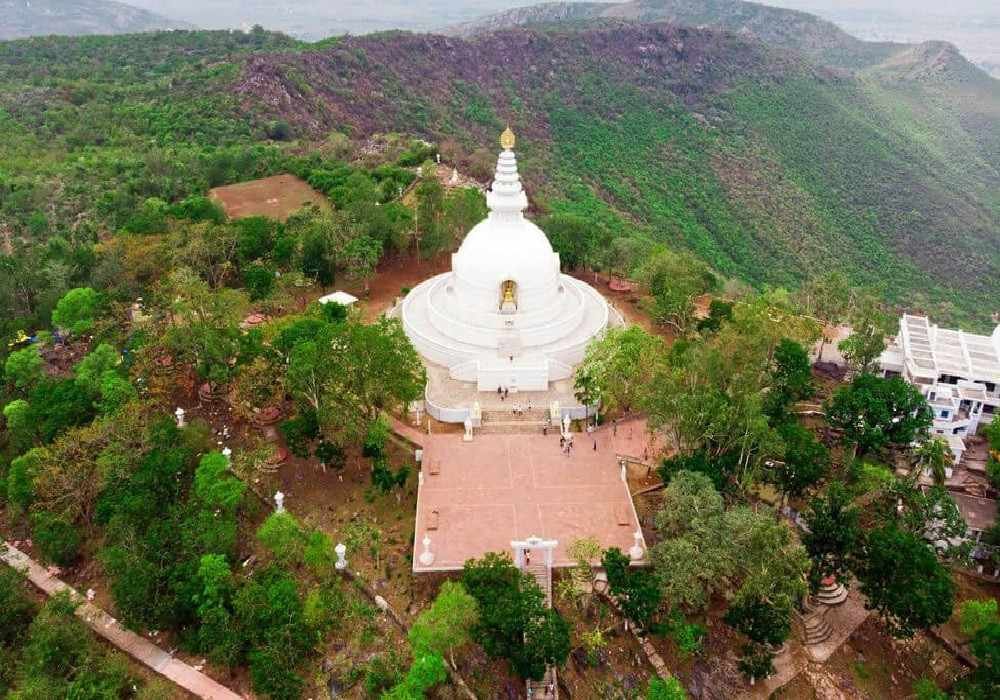
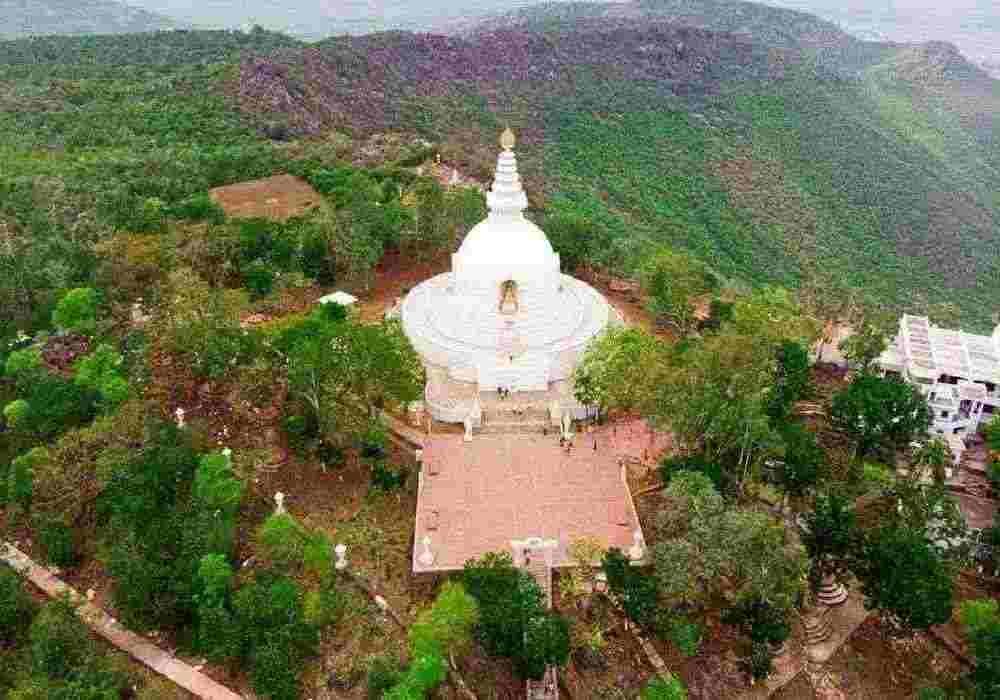
- Explore Rajgir Buddhist circuit including Vishwa Shanti Stupa
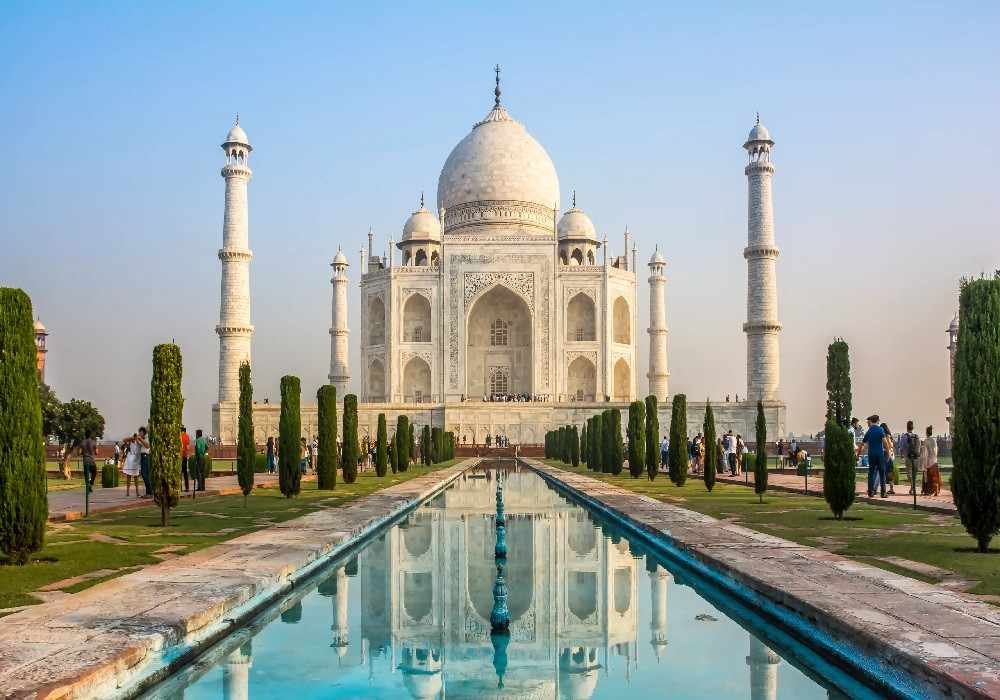
- Witness the iconic Taj Mahal at Agra
- Discover the grandeur of Agra Fort
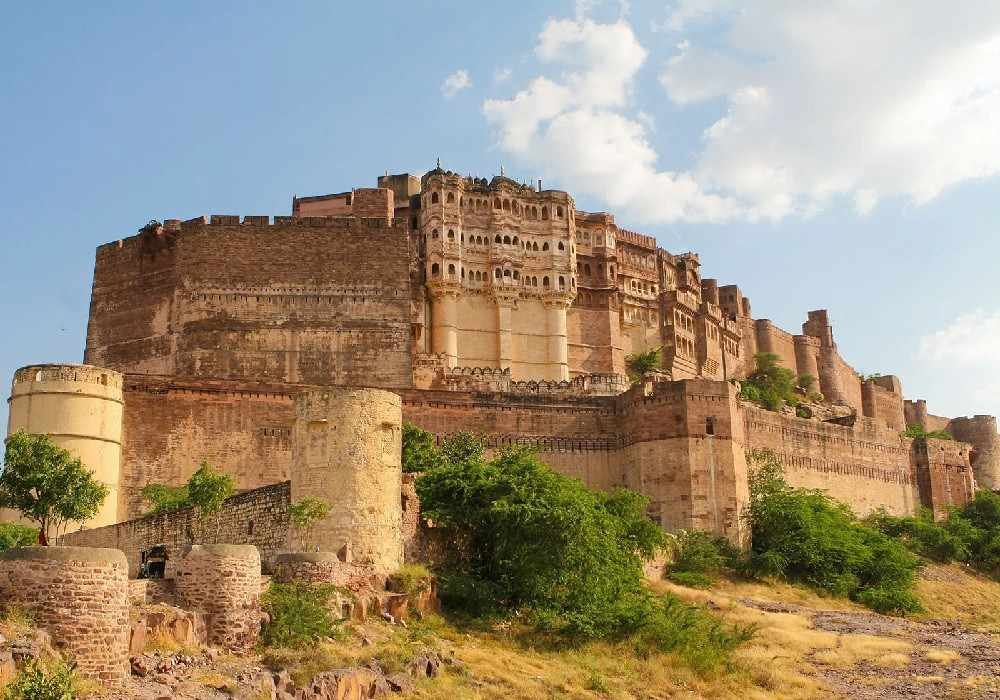
- Explore the majestic Mehrangarh Fort in Jodhpur
- Experience royal beauty of Udaipur – City of Lakes
- Boat ride on Lake Pichola (optional)
- Comfortable hotels with daily breakfast
- Private AC vehicle for all transfers & sightseeing
- English-speaking guide at major attractions
- Description
- Itinerary
- Reviews
-
Kyoto served as Japan's imperial capital for over a thousand years, from 794 until 1868, and much of that identity was built around scholarship, courtly learning and religious study centred in its temples and monasteries. Nalanda, on the other side of Asia, held a similar role centuries earlier — not as a political capital, but as one of the ancient world's most significant centres of learning, drawing students from as far as China and Central Asia. This trip, built for travellers flying out of Kyoto, opens at that parallel and then moves through Rajgir, the Taj Mahal, Mehrangarh Fort and Udaipur, each adding its own distinct layer to the journey.
Two Ancient Seats of Learning, Continents Apart
Kyoto and Nalanda never crossed paths historically, but the comparison holds up in spirit — both represent moments when a society decided that scholarship and culture deserved dedicated, protected space, rather than being left to chance. Nalanda's story ends more abruptly than Kyoto's, which makes visiting its ruins today feel less like a museum piece and more like an unfinished sentence.
Nalanda: What Was Lost
At its height in the 7th century, Nalanda is believed to have housed thousands of resident scholars and an enormous library, some accounts suggesting it held millions of manuscripts across multiple towering structures. The Chinese monk Xuanzang studied here for several years in the 630s and left behind detailed written accounts of the university's teaching methods and daily life, which remain one of the primary sources historians use to understand the institution today. Its end came in 1193, when the university was destroyed during a raid led by Bakhtiyar Khilji, and later accounts claim the library burned for months afterward — a detail historians debate in its specifics, but one that captures how significant the loss was considered even at the time.
Rajgir: Older Than the University Nearby
The First Buddhist Council
Shortly after the Buddha's death, his followers gathered at Rajgir's Saptaparni Caves to hold what's known as the First Buddhist Council, an assembly convened specifically to formally compile and preserve his teachings before they could be lost or altered through years of oral transmission. The caves themselves, set into the hillside, remain accessible today and carry a different, quieter historical weight than Rajgir's more visited sites.
Bimbisara's Prison
Rajgir also holds the ruins of the cell where King Bimbisara, an early and significant patron of the Buddha, was reportedly imprisoned by his own son Ajatashatru in a succession dispute — a reminder that the region's history involves political intrigue as much as religious devotion.
Taj Mahal: Built From Half the Known World
Beyond its architecture, the Taj Mahal is a record of 17th-century Mughal trade networks as much as it is a tomb. Materials were sourced from an extraordinary range of regions — jade and crystal from China, turquoise from Tibet, sapphire from Sri Lanka, and carnelian from Arabia, all inlaid into the white marble in intricate floral patterns using a technique called pietra dura. Across the Yamuna River, the ruins of Mahtab Bagh, a moonlight garden, are linked by local legend to an unrealised plan by Shah Jahan to build a matching black marble mausoleum for himself, directly facing the Taj Mahal — a story historians treat with some scepticism, though the garden and its river-facing views remain worth the short detour regardless.
Mehrangarh Fort: More Than Ramparts
The Phool Mahal
Inside Mehrangarh's walls, the Phool Mahal, or Flower Palace, holds some of the fort's most elaborate interior work, with gold leaf paintings covering nearly every surface of what was once used as a hall for royal celebrations and performances. It's a striking contrast to the fort's imposing, defensive exterior.
A Fort Reimagined for Adventure
More recently, Mehrangarh has added a zip-line course, known locally as the Flying Fox, that runs across six sections of the fort's ramparts and surrounding countryside, giving visitors an unusual aerial perspective of the fort and the Blue City below — a modern addition that sits somewhat unexpectedly alongside centuries of Rajput history.
Udaipur: Beyond the Lake
Sajjangarh, the Monsoon Palace
Perched on a hilltop above the city, Sajjangarh was built in 1884 originally to help the royal family monitor monsoon cloud patterns approaching from the Aravalli hills, and today it offers one of the best panoramic views of Udaipur and Lake Pichola below, particularly at sunset.
Saheliyon ki Bari
Built for the royal ladies of the court and their attendants, this garden of fountains, marble elephants and lotus pools was designed as a private retreat, and it remains one of Udaipur's more peaceful stops, especially compared to the busier palace and lake-front areas.
Getting Between Bihar and Rajasthan
As with our other routes linking Bihar's historical sites to Rajasthan, the practical connection between the two is a flight through Delhi rather than a direct road journey, given the distance involved. We build this into the trip as a natural pause between its two very different halves. October through March suits the entire route comfortably, and since Kyoto's own winters run cold, this window tends to line up well for travellers looking for a milder climate on the other end.
History That Doesn't Stay in One Place
This route moves through a lost university, a council that shaped how Buddhist teachings survived, a tomb built from materials sourced across half of Asia, and two very different sides of Rajasthani royal life. If a trip built around these kinds of specific, layered stories sounds like what you're after, let us know your dates from Kyoto and we'll get started on the details.Package Inclusions
- Return airfare (Kyoto – Gaya/Delhi – Udaipur/Delhi – Kyoto)
- Airport transfers
- Hotel accommodation in selected category
- Daily breakfast
- Private air-conditioned vehicle throughout the tour
- Sightseeing as per itinerary
- English-speaking guide (major monuments)
- Toll tax, parking, fuel & driver allowance
Package Exclusions
- Hotel taxes
- India Visa fees
- Travel insurance
- Lunch and dinner
- Monument entrance fees
- Boat ride charges (Lake Pichola, etc.)
- Camera/video charges at monuments
- Personal expenses
- Tips and porterage
- GST/TCS (if applicable)
- Anything not mentioned in inclusions
Frequently Asked Questions About "Kyoto to Nalanda University Rajgir Taj Mahal Mehrangarh Fort Udaipur Tour Package"
How reliable are the accounts of Nalanda's library burning for months?
Historical sources vary in their exact claims, and while the scale is debated by historians, the destruction of the university in 1193 and the loss of its manuscripts is well documented as a significant historical event.
Is the Mahtab Bagh black Taj Mahal story historically accurate?
It's treated as legend rather than confirmed history, though the garden ruins themselves and the view across to the Taj Mahal are genuinely worth the visit regardless of the story's accuracy.
Is the Flying Fox zip-line at Mehrangarh suitable for all travellers?
It has some basic fitness and health requirements, and we can advise on suitability based on your group before including it in the itinerary.
How does Sajjangarh compare to the City Palace as a Udaipur viewpoint?
Sajjangarh sits considerably higher and gives a wider panoramic view of the entire lake and city, while City Palace offers a closer, more detailed look at the lake itself.
Is Rajgir's Saptaparni Caves site easy to access, or does it require significant walking?
There's a moderate uphill walk involved, though it's manageable for most travellers and considerably shorter than some of the region's other hillside sites.
Do we need to plan extra time for the Delhi connection between Bihar and Rajasthan?
We generally build in a comfortable buffer for this transfer, since flight schedules and connections can vary, and it keeps the rest of the trip from feeling rushed.
-
-
Day 1
-
Day 2
Nalanda & Rajgir Excursion
Breakfast Visit Nalanda University ruins Nalanda Archaeological Museum Vishwa Shanti Stupa Gridhakuta Hill (Vulture Peak) Return to hotel Overnight stay -
Day 3
Travel to Agra
Breakfast Transfer via flight/train Hotel check-in Evening leisure Overnight stay -
Day 4
Agra Sightseeing
Sunrise visit to Taj Mahal Agra Fort Local handicraft shopping Overnight stay -
Day 5
Agra to Jodhpur
Breakfast Flight/train to Jodhpur Hotel check-in Evening at leisure Overnight stay -
Day 6
Jodhpur Sightseeing
Breakfast Mehrangarh Fort Jaswant Thada Umaid Bhawan Palace Museum Clock Tower Market Overnight stay -
Day 7
Jodhpur to Udaipur
Breakfast Scenic drive/flight to Udaipur Hotel check-in Evening at Lake Pichola Overnight stay -
Day 8
Udaipur Sightseeing
Breakfast City Palace Jagdish Temple Saheliyon Ki Bari Fateh Sagar Lake Optional boat ride on Lake Pichola Overnight stay -
Day 9
Udaipur → Delhi → Kyoto
Transfer to Udaipur airport for flight to Delhi and onward international flight to Kyoto. Tour ends.
-
Day 1
-
Similar Packages in Japan to Delhi Tour
![]() From ₹199,999 View Details
From ₹199,999 View Details![]() From ₹209,999 View Details
From ₹209,999 View Details![]() From ₹204,999 View Details
From ₹204,999 View Details![]() From ₹224,999 View Details
From ₹224,999 View Details
Other Tours in Delhi
![]() From ₹116,999 View Details
From ₹116,999 View Details![]() From ₹129,999 View Details
From ₹129,999 View Details