- Return international flights from Nagoya to India
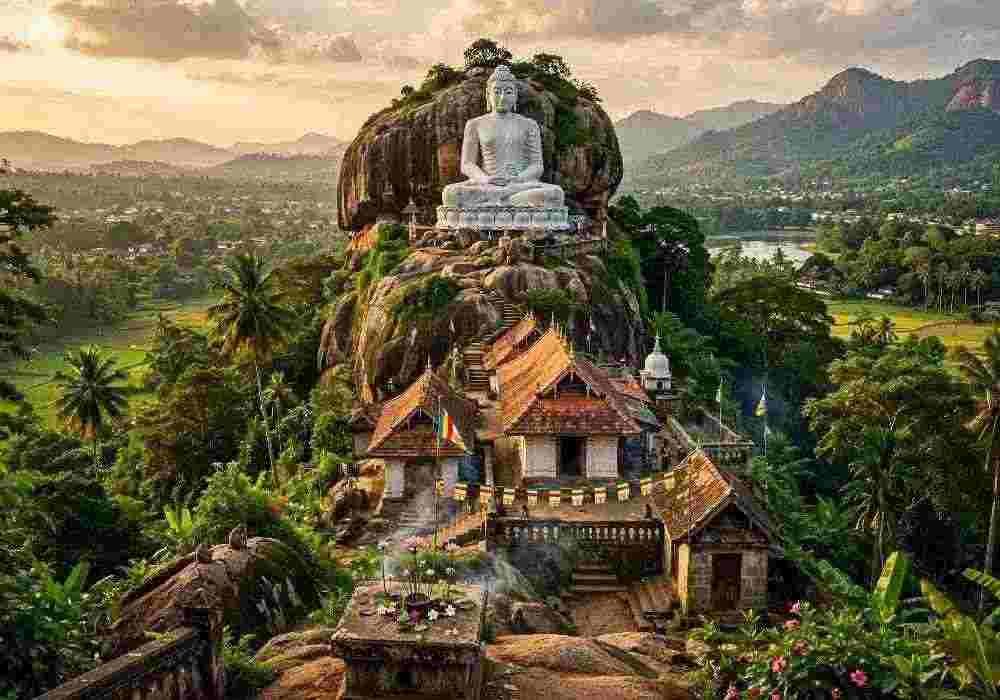
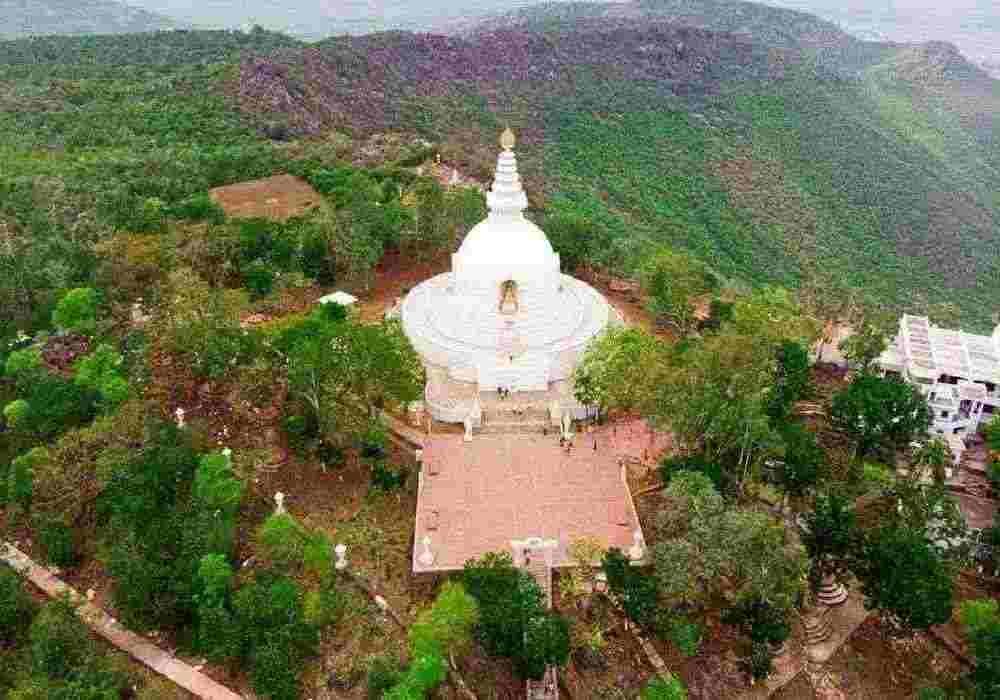
- Visit Rajgir Buddhist sites including Vishwa Shanti Stupa
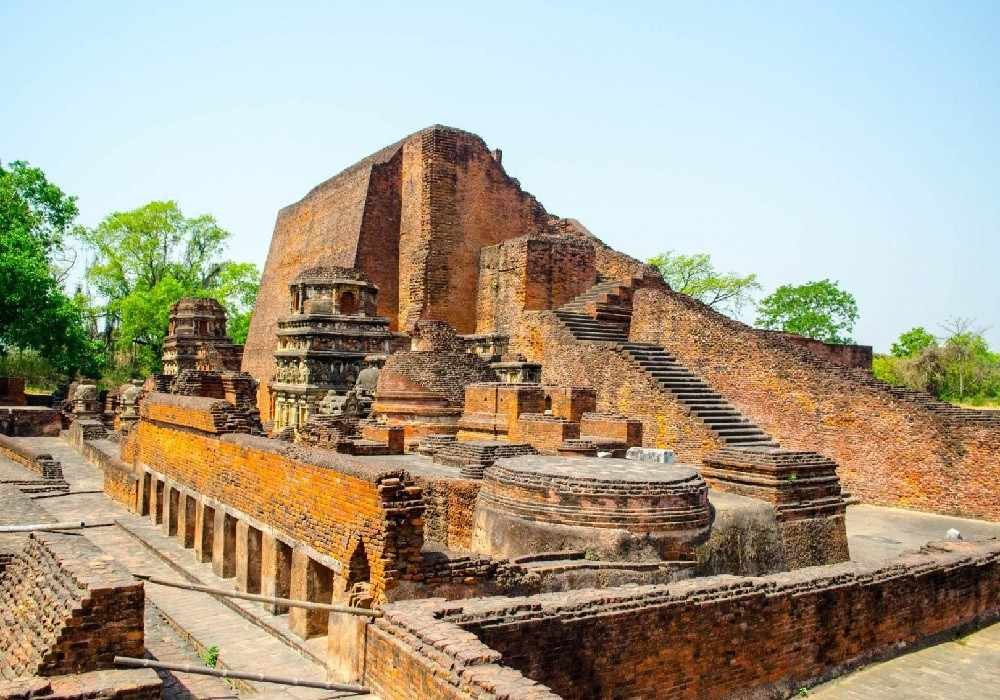
- Explore Nalanda University ruins (UNESCO World Heritage Site)
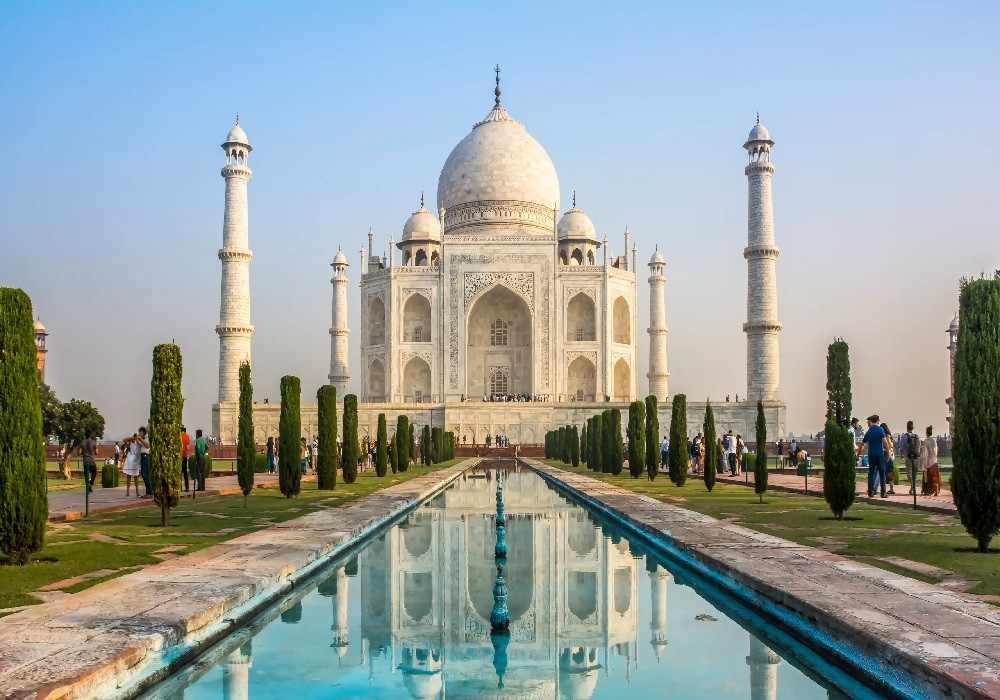
- Witness the iconic Taj Mahal at sunrise
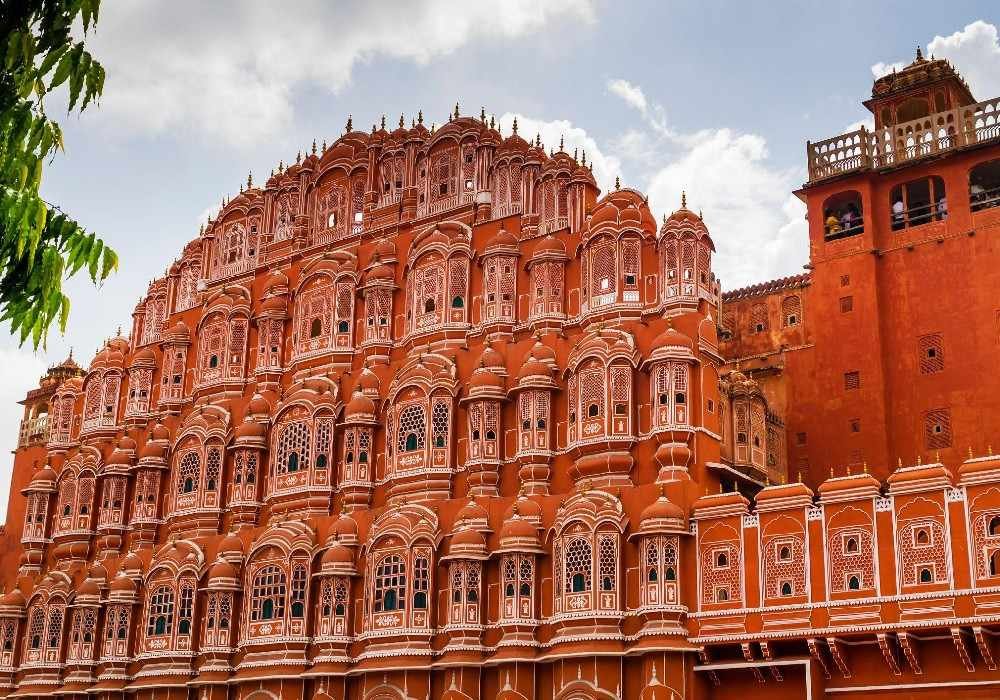
- Discover Hawa Mahal & Amber Fort in Jaipur
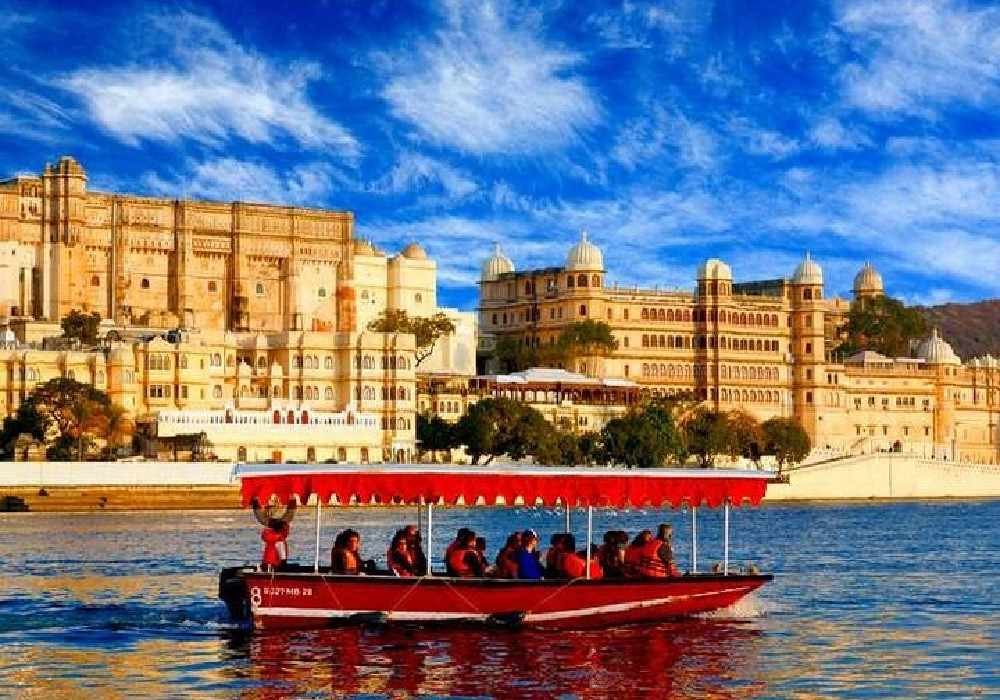
- Explore City Palace Jaipur & Udaipur
- Enjoy scenic Lake Pichola boat ride (optional)
- Comfortable hotels with daily breakfast
- Private AC vehicle for all transfers & sightseeing
- Professional English-speaking guide at major sites
- Description
- Itinerary
- Reviews
-
Nagoya has built its modern reputation on precision — it's the heart of Japan's automotive industry and home to centuries-old traditions of cloisonné enamelling and textile weaving that demand the same exacting attention to detail as any assembly line. That instinct for craftsmanship translates surprisingly well to this trip. Every stop on this route, from an ancient hospital garden in Rajgir to the engineering behind Jaipur's most photographed building, turns out to have its own story of design ingenuity behind the more obvious historical or religious significance.
A Trip Built Around Engineering and Design Ingenuity
It's easy to visit these sites purely for their history or their photographs, but each one also represents a specific solved problem — how to cool a building without electricity, how to fortify a settlement with available stone, how to move enough water to sustain a growing city. Looking at this route through that lens adds a layer most standard itineraries skip entirely.
Rajgir: An Ancient Hospital and a Stone Wall
Jivaka's Mango Grove, on the outskirts of Rajgir, is associated with Jivaka, a physician to King Bimbisara and reportedly one of ancient India's most skilled healers, who is said to have treated the Buddha himself and established what some historians consider among the earliest documented hospitals in the world. A short distance away, the remains of Rajgir's Cyclopean Wall, an ancient fortification built from massive, roughly hewn stones fitted together without mortar, once stretched for many kilometres around the old city, an engineering feat that still holds up structurally in the sections that survive today.
Nalanda: What the Library Actually Looked Like
Historical accounts describe Nalanda's library complex, known as Dharmaganja or "Treasury of Truth," as having consisted of three multi-storey buildings, Ratnasagara, Ratnodadhi and Ratnaranjaka, each housing different categories of manuscripts on subjects ranging from religious philosophy to medicine and mathematics. The ruins visible today were largely rediscovered and excavated in the 19th century by British archaeologist Alexander Cunningham, whose survey work helped confirm the site's identity after centuries of it being little more than overgrown mounds. In a more modern echo of its original purpose, a new international institution called Nalanda University was established near the ancient site in 2014, reviving the location's association with cross-border scholarship after 800 years.
Taj Mahal: The Engineering Behind the Beauty
Ustad Ahmad Lahauri is widely credited by historians as the Taj Mahal's chief architect, though Mughal court records rarely single out one figure for a project this large, and the design likely involved contributions from a broader team of architects and craftsmen. The dome's finial, visible from a considerable distance, was originally cast in gold before being looted during Jat raids in the 18th century and later replaced with a bronze version that remains in place today. On full moon nights and the two nights surrounding them, the Archaeological Survey of India permits limited night viewing of the Taj Mahal, a restricted and popular slot that needs to be booked well ahead of the date.
Hawa Mahal: A Building Designed Around Airflow
Hawa Mahal's name translates roughly to "Palace of Winds," and that's a literal description of how it was engineered. The building's 953 small lattice windows create a natural Venturi effect, drawing air through the narrow openings and cooling the interior even during Jaipur's harshest summer months, long before any mechanical alternative existed. The structure also famously has no proper foundation in the conventional sense, relying instead on a cantilevered design that has kept its thin, five-storey facade standing since 1799 without the structural base most buildings of its scale would require.
Lake Pichola: Named After a Trader, Not a King
Long before Udaipur existed as a city, a local Banjara trader named Pichhu Banjara is said to have built a small dam here to create a modest reservoir for trade caravans passing through, and the lake still carries a version of his name today. When Maharana Udai Singh II founded Udaipur in 1559, he expanded that original reservoir considerably, eventually creating the lake known today, dotted with four distinct islands — Jag Niwas, now the Lake Palace hotel, Jag Mandir, the smaller Arsi Vilas, and Mohan Mandir, a structure historically used to view royal celebrations from the water.
Connecting Bihar to Rajasthan
As with our other routes covering both Bihar and Rajasthan, the practical link between Rajgir and Jaipur runs through a flight connection via Delhi rather than a direct road journey. We build a comfortable buffer into this transfer, and October through March remains the ideal window for both halves of the trip, lining up well against Nagoya's own cold winter months.
The Craft Behind the History
Nagoya's own reputation rests on getting difficult things exactly right, and this trip, looked at closely, is full of the same instinct — an ancient hospital, a wall built without mortar, a library system organised across three buildings, a palace engineered to breathe, and a lake that began as one trader's modest dam. If that kind of detail-driven trip sounds like the one you want, let us know your dates from Nagoya and we'll start putting it together.Package Inclusions
- Return airfare (Nagoya – Gaya/Delhi – Jaipur/Udaipur – Nagoya)
- Airport transfers
- Hotel accommodation as per category
- Daily breakfast
- Private air-conditioned vehicle for sightseeing
- Guided tours at major attractions
- Toll tax, parking, fuel & driver allowance
Package Exclusions
- Hotel taxes
- India Visa fees
- Travel insurance
- Lunch and dinner
- Monument entrance fees
- Boat ride charges (Lake Pichola, etc.)
- Camera/video charges
- Personal expenses
- Tips and porterage
- GST/TCS (if applicable)
- Anything not mentioned in inclusions
Frequently Asked Questions About "Nagoya to Rajgir Nalanda Taj Mahal Hawa Mahal Lake Pichola Tour Package"
Is Jivaka's Mango Grove a maintained tourist site, or mostly ruins?
It's a modest, quiet site rather than a heavily developed attraction, which is part of its appeal for travellers interested in the region's lesser-known history.
Can we actually see the Venturi effect at work inside Hawa Mahal, or is it just a design principle?
The cooling effect is genuinely noticeable inside the structure, especially compared to the heat outside, even though you won't see anything mechanically demonstrating it.
Is night viewing of the Taj Mahal worth arranging if our dates allow it?
It's a genuinely different experience from the daytime visit, though availability is limited to specific nights around the full moon and needs advance booking through official channels.
Are all four islands on Lake Pichola open to visitors?
Jag Niwas operates as a private hotel and Jag Mandir is open to day visitors by boat, while Arsi Vilas and Mohan Mandir are generally not accessible to the public in the same way.
Is the new Nalanda University near the ancient ruins open to visitors?
It functions as an active academic institution rather than a tourist site, though its proximity to the ancient ruins adds an interesting modern contrast for visitors touring the historical complex.
How much walking is involved at the Rajgir Cyclopean Wall site?
The surviving sections require a moderate walk to reach, but it's a far less strenuous stop than some of the region's hillside sites.
-
-
Day 1
-
Day 2
Rajgir & Nalanda
Breakfast Vishwa Shanti Stupa, Rajgir Gridhakuta Hill Nalanda University ruins Nalanda Archaeological Museum Return to hotel Overnight stay -
Day 3
Travel to Agra
Breakfast Transfer via flight/train Hotel check-in Evening leisure Overnight stay -
Day 4
Agra Sightseeing
Sunrise visit to Taj Mahal Agra Fort Local handicrafts shopping Overnight stay -
Day 5
Agra to Jaipur
Breakfast Transfer to Jaipur Hotel check-in Evening free Overnight stay -
Day 6
Jaipur Sightseeing
Amber Fort Jal Mahal (photo stop) Hawa Mahal City Palace Jantar Mantar Local market shopping Overnight stay -
Day 7
Jaipur to Udaipur
Breakfast Transfer to Udaipur Hotel check-in Evening at Lake Pichola Overnight stay -
Day 8
Udaipur Sightseeing
City Palace Jagdish Temple Saheliyon Ki Bari Fateh Sagar Lake Optional Lake Pichola boat ride Overnight stay -
Day 9
Departure
Breakfast Transfer to airport Return flight to Nagoya Tour concludes with unforgettable memories
-
Day 1
-
Similar Packages in Japan to Delhi Tour
![]() From ₹199,999 View Details
From ₹199,999 View Details![]() From ₹209,999 View Details
From ₹209,999 View Details![]() From ₹204,999 View Details
From ₹204,999 View Details![]() From ₹224,999 View Details
From ₹224,999 View Details
Other Tours in Delhi
![]() From ₹116,999 View Details
From ₹116,999 View Details![]() From ₹129,999 View Details
From ₹129,999 View Details