- Return international flights from Osaka to India
- Visit Mahabodhi Temple, Bodh Gaya (UNESCO World Heritage Site)
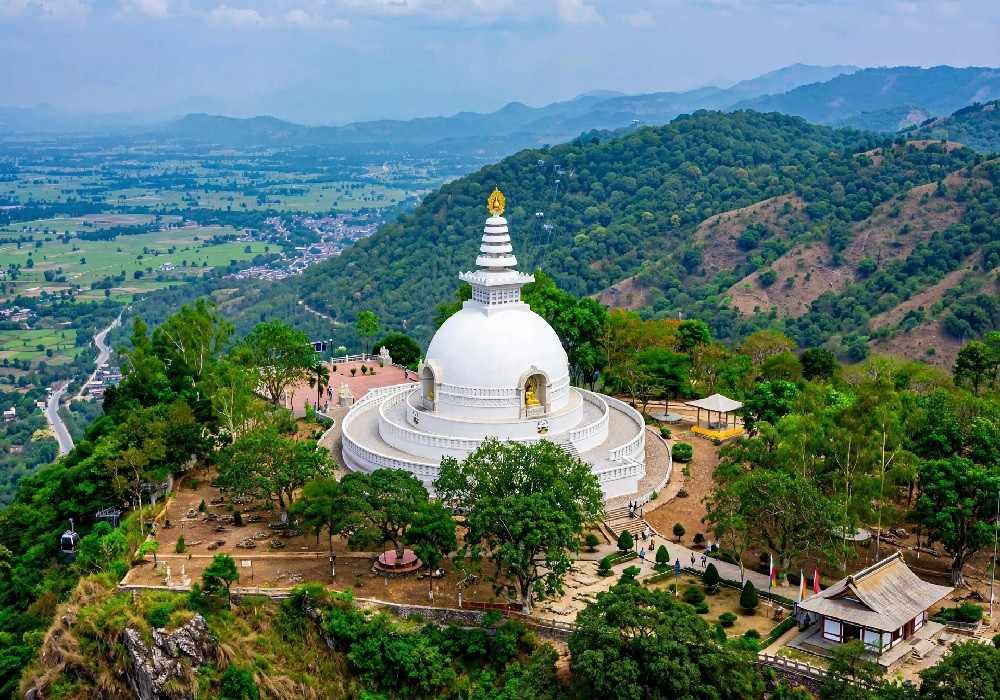
- Explore Vishwa Shanti Stupa in Rajgir
- Discover Nalanda University ruins (optional extension)
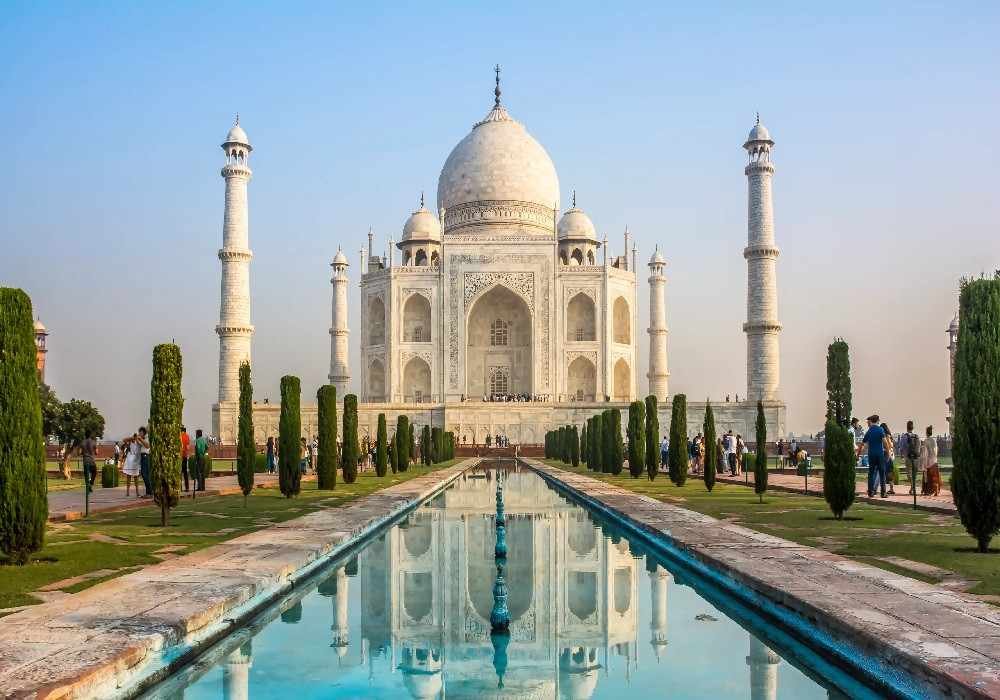
- Witness the Taj Mahal at sunrise
- Visit the majestic Agra Fort
- Explore Amber Fort in Jaipur
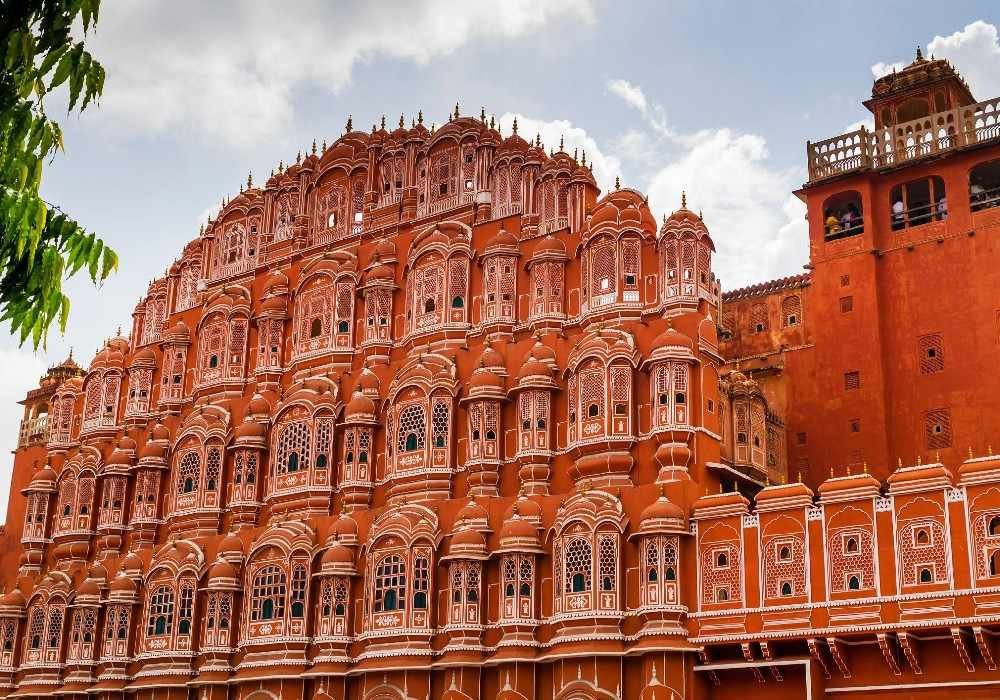
- Admire Hawa Mahal and City Palace
- Comfortable hotel stays with daily breakfast
- Private AC vehicle for all transfers and sightseeing
- English-speaking guide for major attraction
- Description
- Itinerary
- Reviews
-
Osaka's Shitennoji Temple, founded in 593 CE by Prince Shotoku, is considered one of Japan's oldest officially administered Buddhist temples, and it stands as a quiet reminder that this particular thread of Osaka's history runs, eventually, all the way back to a riverbank in Bihar. This trip follows that thread in reverse, starting at the place Buddhism actually began before moving through a peace monument built by Japanese monks, one of the world's most recognisable tombs, and two of Jaipur's defining royal landmarks.
A Journey Marked by Single, Defining Moments
Each stop on this route centres on one specific moment rather than a general sense of history. Bodh Gaya marks the moment of enlightenment itself. Rajgir's Vishwa Shanti Stupa marks a 20th-century moment of reconciliation. The Taj Mahal marks a moment of grief transformed into architecture. Hawa Mahal marks the quiet, daily moment of royal women watching the street below without being seen. And Jaipur's City Palace marks the moment a king decided to build an entirely new capital city from scratch. Taken together, they form less a checklist and more a series of very specific human turning points.
Bodh Gaya: The Moment of Enlightenment
The Mahabodhi Temple complex centres on the spot where the Buddha is believed to have attained enlightenment beneath a Bodhi tree, marked today by the Vajrasana, or Diamond Throne, a stone slab placed at the exact site by Emperor Ashoka in the 3rd century BCE. Nearby, a 25-metre bronze statue of the Buddha, installed in 1989 and consecrated by the Dalai Lama, has become a modern landmark in its own right, visible from a considerable distance across the surrounding plain.
Vishwa Shanti Stupa: A Different Kind of Monument
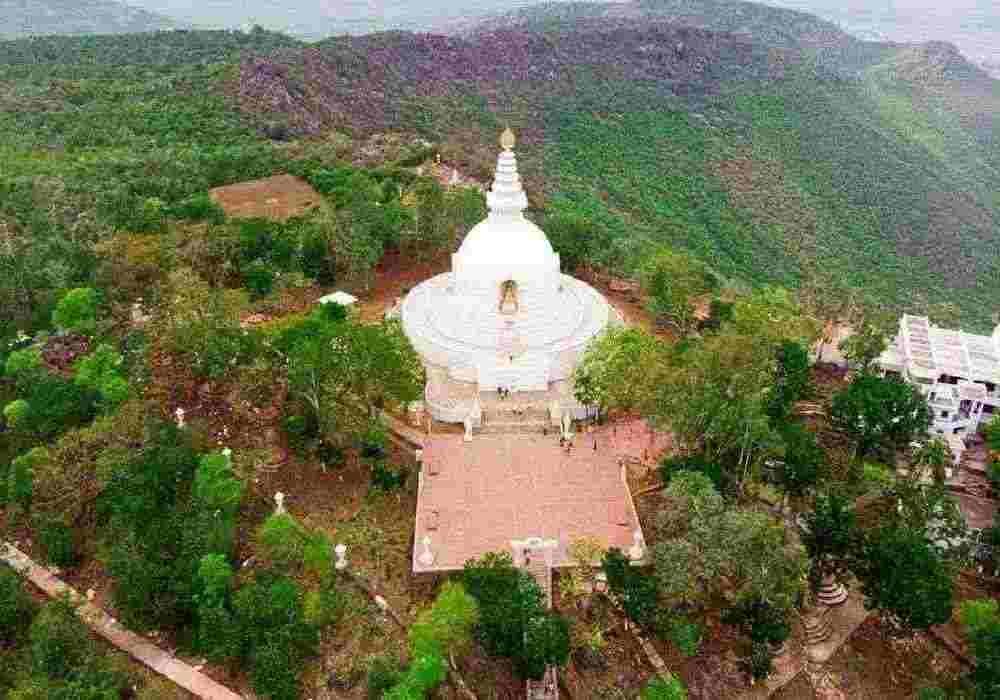
Rajgir's Vishwa Shanti Stupa, or World Peace Pagoda, was built by the Nipponzan-Myohoji Buddhist order, a Japanese movement founded in the aftermath of the Second World War around a message of global non-violence. The stupa sits atop Ratnagiri hill, reached by a cable car that offers views over the same hills where the Buddha once taught, and its four gold statues, each facing a different direction and depicting a different phase of the Buddha's life, reflect the same peace-building philosophy that has led similar pagodas to be built in Hiroshima and other cities with their own difficult histories.
Taj Mahal: A Moment of Grief, Built to Last
Commissioned by Shah Jahan after the death of his wife Mumtaz Mahal in 1631, the Taj Mahal is full of details easy to miss on a first look. Its four minarets lean very slightly outward from the main structure, a deliberate engineering choice so that in the event of an earthquake, they would fall away from the tomb rather than onto it. The Arabic calligraphy bordering its archways appears uniform in size when viewed from the ground, but the letters actually increase in scale the higher they're placed, a corrective illusion designed centuries before anyone had formal training in optics. The surrounding charbagh garden, divided into four quadrants by water channels, follows a Persian garden tradition meant to represent paradise as described in Islamic texts.
Hawa Mahal: A Moment of Everyday Royal Life
Built in 1799, Hawa Mahal's honeycombed pink sandstone facade contains 953 small latticed windows, known as jharokhas, designed specifically so that royal women observing street festivals and daily life below could do so without being seen themselves, in keeping with the purdah customs of the time. The structure's five-storey height and narrow depth, sometimes described as a screen rather than a building, means the interior is considerably smaller than the elaborate facade suggests, and it was never actually intended as a residence in the conventional sense.
City Palace: The Moment a New Capital Was Founded
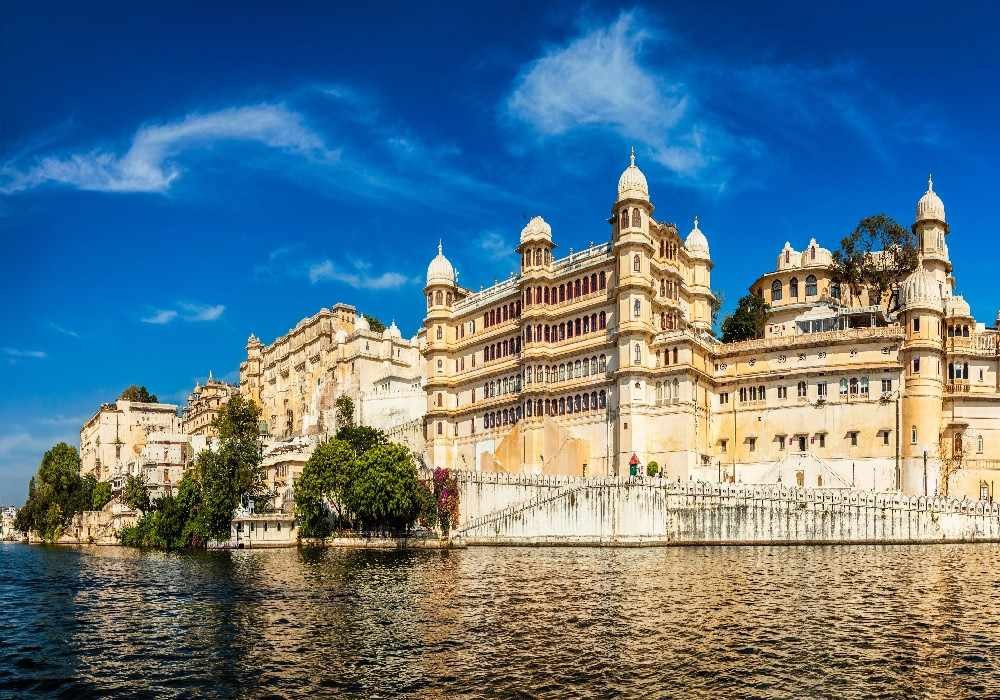
Jaipur's City Palace complex marks the moment Sawai Jai Singh II decided, in 1727, to relocate his capital from the hill fort at Amber down to a newly planned city on the plains below, laid out according to Vastu Shastra principles and, unusually for the period, along a grid pattern. The palace itself blends Rajput, Mughal and later European architectural influences across its courtyards, and a portion remains the private residence of Jaipur's former royal family today, with the rest open as a museum housing royal costumes, weaponry and manuscripts.
Getting Between Bihar and Rajasthan
As with any route connecting Bihar's Buddhist sites to Rajasthan, the practical reality is a flight through Delhi rather than a direct road journey, given the distance involved. We treat this as a deliberate pause in the trip rather than a rushed connection, and it typically works out well for pacing, since it naturally divides the journey into its spiritual and royal halves. October through March suits both halves of the trip comfortably, though Bihar tends to be at its most pleasant slightly earlier in that window than peak Rajasthan weather, which is worth factoring in if your dates from Osaka are flexible.
From a Riverbank in Bihar to a Palace in Jaipur
This route holds together because each stop represents something specific rather than a generic "must-see" — a moment of awakening, a modern gesture of peace, a monument to loss, and two very different expressions of royal life in Jaipur. If that kind of trip, built around meaning rather than just landmarks, sounds right for you, share your travel dates from Osaka and we'll begin shaping the details.Package Inclusions
- Return airfare (Osaka – Gaya/Delhi – Jaipur/Delhi – Osaka)
- Airport transfers
- Hotel accommodation in 3★/4★/5★ hotels
- Daily breakfast
- Private air-conditioned vehicle for all sightseeing
- Guided sightseeing at major destinations
- Toll tax, parking, fuel, and driver allowance
Package Exclusions
- Hotel taxes
- India Visa fees
- Travel insurance
- Lunch and dinner
- Monument entrance fees
- Camera/video charges
- Boat or rickshaw rides (if any)
- Personal expenses
- Tips and porterage
- GST/TCS (if applicable)
- Anything not mentioned in inclusions
Frequently Asked Questions About "Osaka to Bodh Gaya Vishwa Shanti Stupa Taj Mahal Hawa Mahal City Palace Tour Package"
Is the Vishwa Shanti Stupa connected to any specific event in Japanese history?
It was built by the Nipponzan-Myohoji Buddhist order, a movement that emerged after the Second World War with a focus on global peace, and similar pagodas built by the same order exist in cities including Hiroshima.
How is the Great Buddha statue at Bodh Gaya different from the Mahabodhi Temple itself?
The temple marks the historical site of enlightenment, while the 25-metre statue, installed in 1989, is a more recent addition and a separate landmark within the wider complex.
Is Hawa Mahal worth visiting from the inside, or is it mainly viewed from outside?
Both are worth doing — the exterior facade is the most photographed element, but the interior offers a closer look at the narrow chambers and lattice windows themselves, along with a small museum.
Can we visit the City Palace's private royal residence areas?
No, those sections remain private, though the museum areas open to the public still cover a substantial part of the complex, including several of its most historically significant courtyards.
Is there a logical order to visit Bodh Gaya and Rajgir, or does it matter which comes first?
They're close enough together that order doesn't significantly affect the trip, and we typically sequence them based on your arrival and departure logistics rather than any fixed necessity.
Do we need advance permits or booking for the Vishwa Shanti Stupa cable car?
No special permits are required, though tickets are sold on-site and queues can build up during peak travel months, so arriving earlier in the day tends to be more comfortable.
-
-
Day 1
-
Day 2
Bodh Gaya Sightseeing
Breakfast Mahabodhi Temple (UNESCO site) Bodhi Tree Great Buddha Statue International monasteries Meditation and leisure time Overnight stay -
Day 3
Rajgir & Nalanda Excursion
Breakfast Drive to Rajgir Visit Vishwa Shanti Stupa Gridhakuta Hill (Vulture Peak) Optional visit: Nalanda University ruins Return to Bodh Gaya or continue onward Overnight stay -
Day 4
Transfer to Agra
Breakfast Flight/train via Delhi to Agra Hotel check-in Evening free Overnight stay -
Day 5
Agra to Jaipur
Early morning visit to Taj Mahal Agra Fort sightseeing Drive to Jaipur Hotel check-in Overnight stay -
Day 6
Jaipur Sightseeing
Breakfast Amber Fort Jal Mahal (photo stop) Hawa Mahal City Palace Jantar Mantar Local market shopping Overnight stay -
Day 7
Departure
Breakfast Transfer to Jaipur/Delhi Airport Return flight to Osaka Tour ends with spiritual and cultural memories
-
Day 1
-
Similar Packages in Japan to Delhi Tour
![]() From ₹199,999 View Details
From ₹199,999 View Details![]() From ₹209,999 View Details
From ₹209,999 View Details![]() From ₹204,999 View Details
From ₹204,999 View Details![]() From ₹224,999 View Details
From ₹224,999 View Details
Other Tours in Delhi
![]() From ₹116,999 View Details
From ₹116,999 View Details![]() From ₹129,999 View Details
From ₹129,999 View Details