- Return international flights from Sapporo to India
- Visit Mahabodhi Temple, Bodh Gaya (UNESCO World Heritage Site)
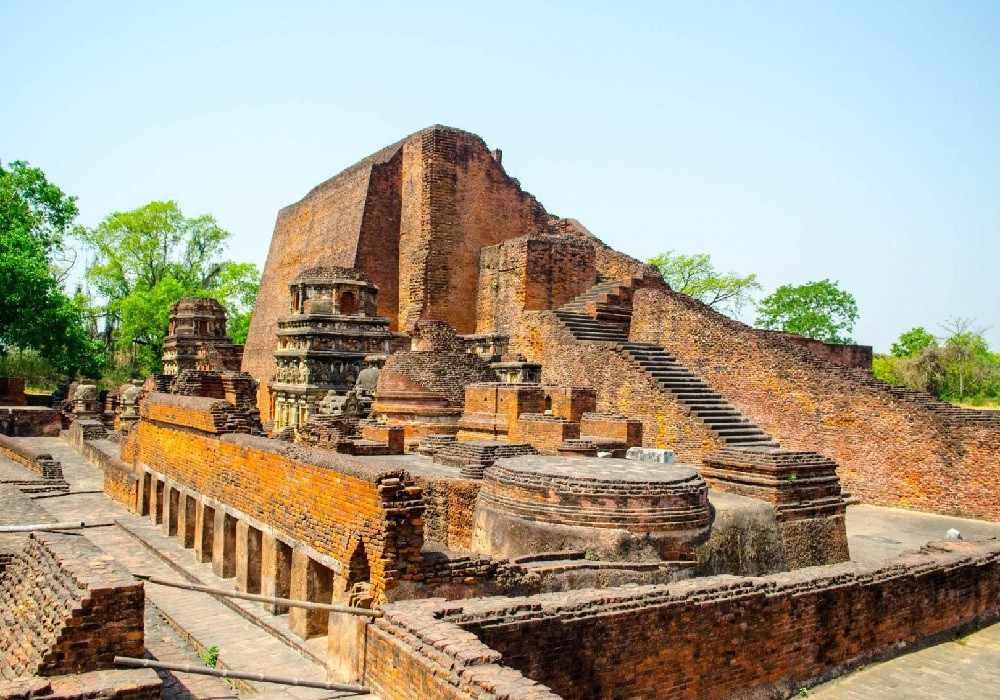
- Explore Nalanda University ruins
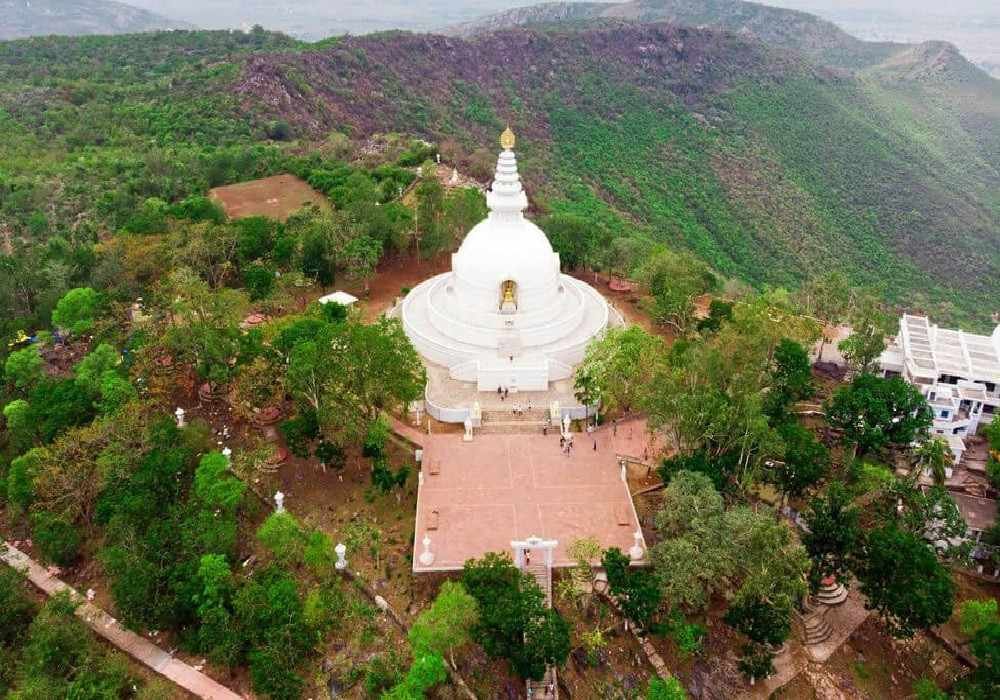
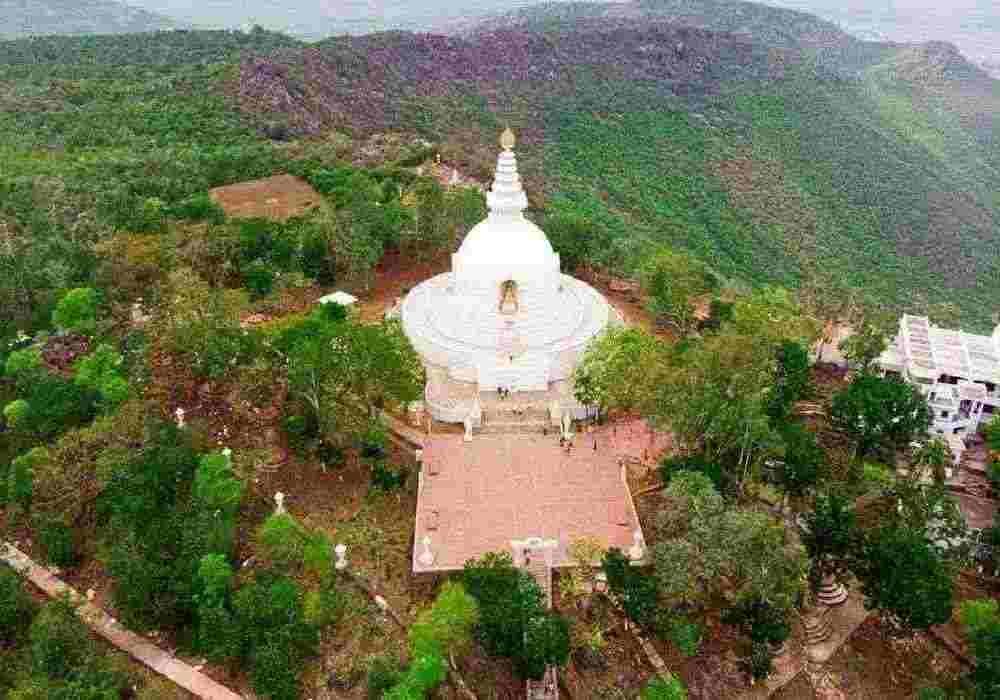
- Discover Rajgir Buddhist circuit including Vishwa Shanti Stupa
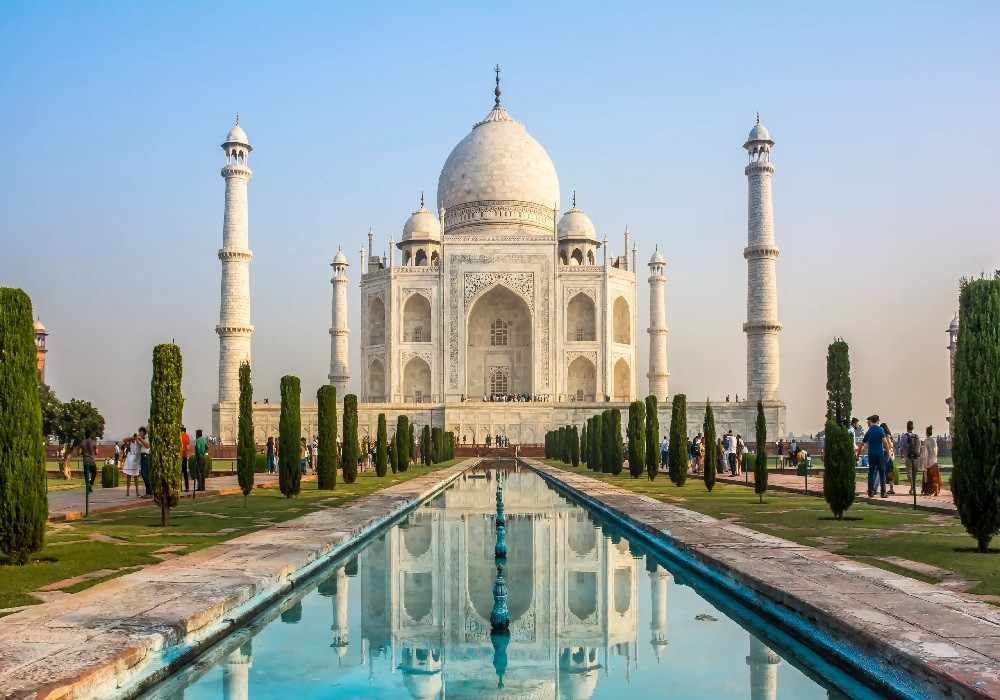
- Witness the iconic Taj Mahal at sunrise
- Explore Amber Fort & Hawa Mahal, Jaipur
- Visit City Palace Jaipur & Udaipur
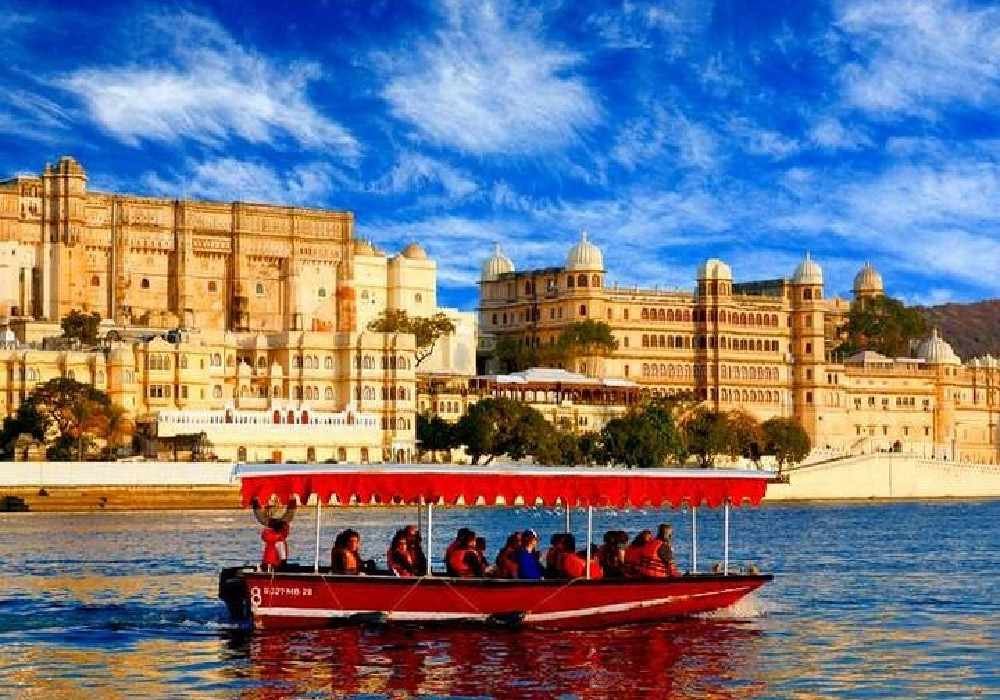
- Enjoy scenic Lake Pichola boat ride (optional)
- Comfortable hotel stays with daily breakfast
- Private AC vehicle for transfers & sightseeing
- English-speaking guide at major monuments
- Description
- Itinerary
- Reviews
-
Sapporo is one of Japan's youngest major cities, deliberately planned from 1869 onward as Hokkaido's frontier capital, laid out on a grid by Meiji-era planners who looked to American city design rather than Japan's older traditions. There's something fitting about a trip from a city built almost entirely from scratch heading straight into some of the oldest continuously significant sites on Earth. This route, running from Bodh Gaya through Rajgir and Nalanda before shifting into the Taj Mahal, Amber Fort and Lake Pichola, covers roughly 2,500 years of history in a single, well-paced trip.
The Mahabodhi Temple
A Design That Travelled Across Asia
The Mahabodhi Temple's central spire, rising to roughly 55 metres in a stepped pyramidal form, became a template that influenced Buddhist temple architecture well beyond India, with echoes of its design visible in structures as far away as Bagan in Myanmar and parts of Angkor in Cambodia. It's a detail easy to miss while standing in front of the temple itself, but it places Bodh Gaya at the centre of an architectural conversation that spans much of Southeast Asia.
The Week the Buddha Didn't Blink
A short distance from the main shrine, the Animeshlochan Chaitya marks the spot where the Buddha is said to have spent an entire week standing and gazing at the Bodhi tree without blinking, out of gratitude for the shelter it had given him during his search for enlightenment. It's a small, easily overlooked shrine, but one that adds a more personal, almost tender note to the wider complex.
Rajgir
Vulture's Peak and the Lotus Sutra
Griddhakuta, or Vulture's Peak, holds particular significance for Japanese Buddhism specifically — it's traditionally regarded as the site where the Buddha delivered the Lotus Sutra, a text that became central to several major Japanese Buddhist schools, including Nichiren Buddhism. For travellers from Sapporo, this hillside carries a more direct connection to home than almost anywhere else on the trip.
A Valley Shaped by Hot Springs
Rajgir's hot springs, fed by natural geothermal activity in the surrounding hills, have drawn pilgrims for their believed healing properties for centuries, and the terraced bathing areas built around them remain in use today, giving the town a living, functional layer beyond its historical sites.
Nalanda
Getting In Wasn't Easy
According to the written accounts of the Chinese monk Xuanzang, who studied at Nalanda in the 7th century, prospective students faced rigorous oral examinations at the gates, and by his account, the majority of applicants were turned away, with only a small fraction judged prepared enough for the university's standard of study.
A Site Still Being Uncovered
Despite over a century of excavation since Alexander Cunningham's 19th-century surveys, archaeologists estimate that only a fraction of the original Nalanda complex has been excavated, with much of the ancient university still believed to lie beneath surrounding fields and mounds yet to be formally studied.
Taj Mahal
The First Glimpse, By Design
The Darwaza-i-Rauza, the Taj Mahal's great red sandstone entrance gate, was deliberately positioned to frame the first view of the mausoleum through its archway, a calculated architectural moment meant to control exactly how and when visitors first see the building in full, rather than leaving that first impression to chance.
A Rare Signed Inscription
Most Mughal-era craftsmen worked anonymously, but the calligrapher responsible for much of the Taj Mahal's Quranic inscriptions, Amanat Khan Shirazi, signed his work in several places within the complex, an unusual departure from convention that gives historians one of the few named individuals directly tied to the monument's construction.
Amber Fort
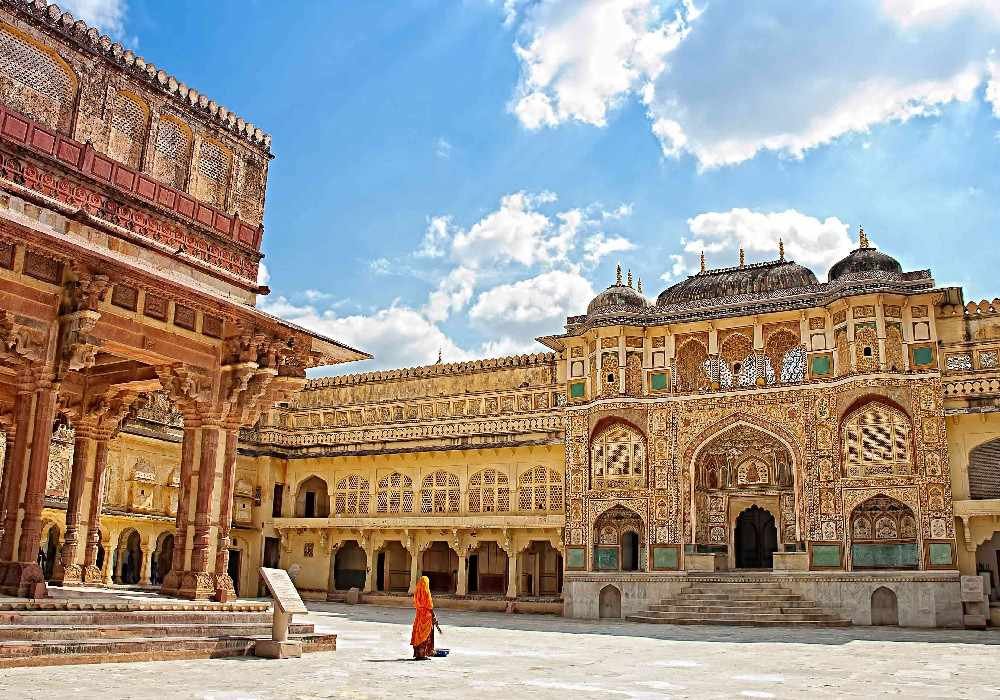
The Ganesh Pol
One of Amber Fort's most elaborately decorated entrances, the Ganesh Pol, is covered in intricate frescoes and latticed windows, marking the transition from the fort's more public courtyards into its private royal quarters, a shift in architecture that mirrors the shift in access and status as visitors move deeper into the complex.
A Pavilion on the Lake Below
At the base of the hill, Maota Lake holds Kesar Kyari Bagh's reflection along with a small central pavilion, historically used by the royal family to enjoy the cooler air off the water, offering a quieter counterpoint to the fort's grander, more imposing halls above.
Lake Pichola
Ambrai Ghat at Sunset
On the lake's eastern edge, Ambrai Ghat has become one of Udaipur's most popular sunset viewpoints, looking directly across the water toward the City Palace and Lake Palace as the light turns gold — a spot as popular with local photographers as it is with visitors.
A Lake That Has Run Dry Before
Despite its scenic permanence today, Lake Pichola has fully dried up during severe historical droughts, most notably in the early 2000s, briefly exposing structures and lakebed areas normally submerged — a reminder that the lake's postcard appearance depends on monsoon patterns that aren't always guaranteed.
From a Planned City to the World's Oldest Stories
Sapporo's own history spans less than two centuries; this trip, by contrast, moves through sites that have shaped religious and architectural thought across Asia for over two thousand years. October through March suits the trip best on both ends of the journey, and given Sapporo's own long, snowy winters, it tends to be an easy climate trade. If that kind of contrast, and the level of detail behind it, sounds like the trip you're after, let us know your travel dates from Sapporo and we'll start working out the details.Package Inclusions
- Return airfare (Sapporo – Gaya/Delhi – Jaipur/Udaipur – Sapporo)
- Airport transfers
- Hotel accommodation as per selected category
- Daily breakfast
- Private air-conditioned vehicle for sightseeing
- Guided tours at major attractions
- Toll tax, parking, fuel & driver allowance
Package Exclusions
- Hotel taxes
- India Visa fees
- Travel insurance
- Lunch and dinner
- Monument entrance fees
- Boat ride charges (Lake Pichola, etc.)
- Camera/video charges
- Personal expenses
- Tips and porterage
- GST/TCS (if applicable)
- Anything not mentioned in inclusions
Frequently Asked Questions About "Sapporo to Mahabodhi Temple Nalanda Rajgir Taj Mahal Amber Fort Lake Pichola Tour Package"
Is Vulture's Peak physically demanding to visit?
There's a moderate uphill walk involved, though it's manageable for most travellers and shorter than several of the region's other hillside sites.
How much of Nalanda's original site remains unexcavated?
Estimates vary, but archaeologists generally agree a significant portion of the ancient complex remains beneath the surrounding land, meaning what's currently visible represents only part of the original university.
Is the Darwaza-i-Rauza worth pausing at before entering the Taj Mahal grounds?
Definitely — the gate's framed view is a deliberate part of the experience, and rushing straight past it skips one of the site's more thoughtfully designed moments.
Can we visit the pavilion on Maota Lake below Amber Fort?
It's best viewed from the fort above or from the surrounding lake area, as direct access to the pavilion itself is limited.
Is Ambrai Ghat accessible on foot, or does it require a boat?
It's accessible directly by road and foot, making it an easy add-on to an evening in Udaipur without needing to arrange a boat.
Has Lake Pichola's water level ever affected planned boat rides or itineraries?
In years of poor monsoon rainfall, low water levels can occasionally limit boat operations, and we monitor conditions ahead of each trip to adjust plans if needed.
-
-
Day 1
-
Day 2
Bodh Gaya Sightseeing
Mahabodhi Temple Bodhi Tree Great Buddha Statue International monasteries Meditation time Overnight stay -
Day 3
Rajgir & Nalanda
Vishwa Shanti Stupa Gridhakuta Hill Nalanda University ruins Nalanda Museum Return to hotel Overnight stay -
Day 4
Travel to Agra
Transfer via flight/train Hotel check-in Evening leisure Overnight stay -
Day 5
Agra Sightseeing
Taj Mahal sunrise visit Agra Fort Local markets Overnight stay -
Day 6
Jaipur Sightseeing
Amber Fort Jal Mahal (photo stop) Hawa Mahal City Palace Jantar Mantar Overnight stay -
Day 7
Jaipur to Udaipur
Transfer to Udaipur Hotel check-in Evening at Lake Pichola Overnight stay -
Day 8
Udaipur Sightseeing
City Palace Jagdish Temple Saheliyon Ki Bari Fateh Sagar Lake Optional boat ride Overnight stay -
Day 9
Departure
Transfer to airport Return flight to Sapporo Tour ends with spiritual and cultural memories
-
Day 1
-
Similar Packages in Japan to Delhi Tour
![]() From ₹199,999 View Details
From ₹199,999 View Details![]() From ₹209,999 View Details
From ₹209,999 View Details![]() From ₹204,999 View Details
From ₹204,999 View Details![]() From ₹224,999 View Details
From ₹224,999 View Details
Other Tours in Delhi
![]() From ₹116,999 View Details
From ₹116,999 View Details![]() From ₹129,999 View Details
From ₹129,999 View Details