- Return international flights from Tokyo to India
- Visit the sacred Mahabodhi Temple (UNESCO World Heritage Site)
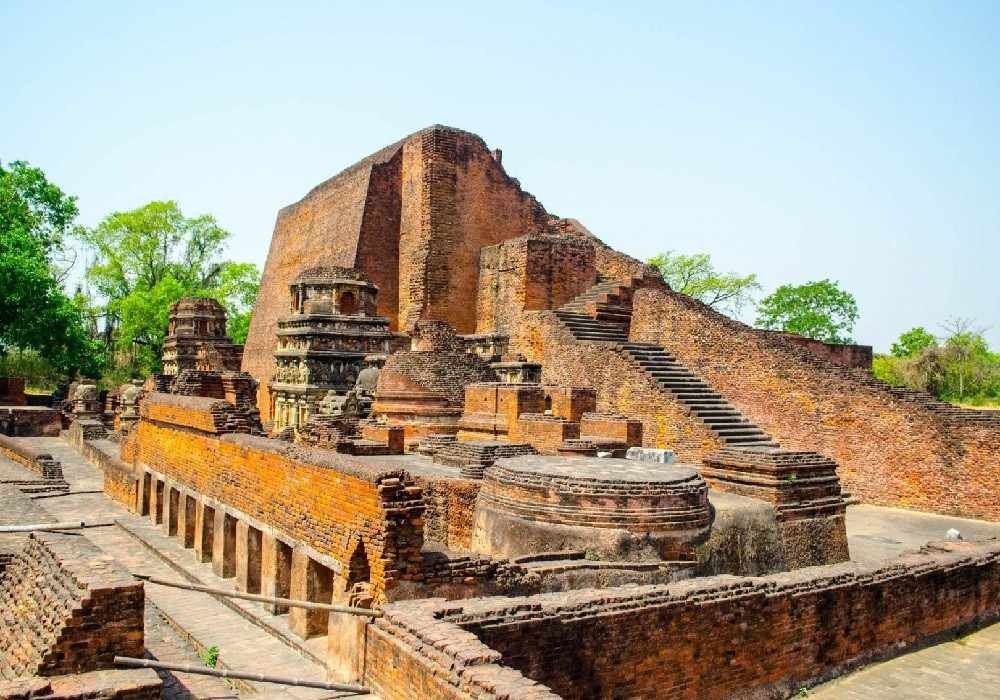
- Explore the ancient Nalanda University Ruins
- Discover Rajgir's Buddhist and Jain heritage
- Witness the breathtaking Taj Mahal at sunrise
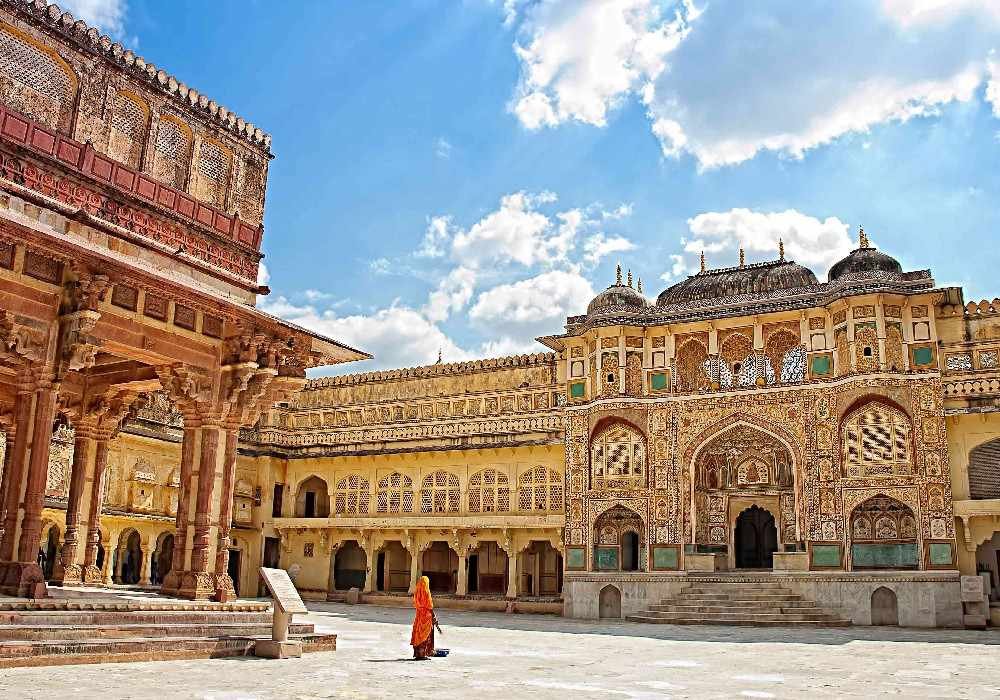
- Explore the magnificent Amber Fort in Jaipur
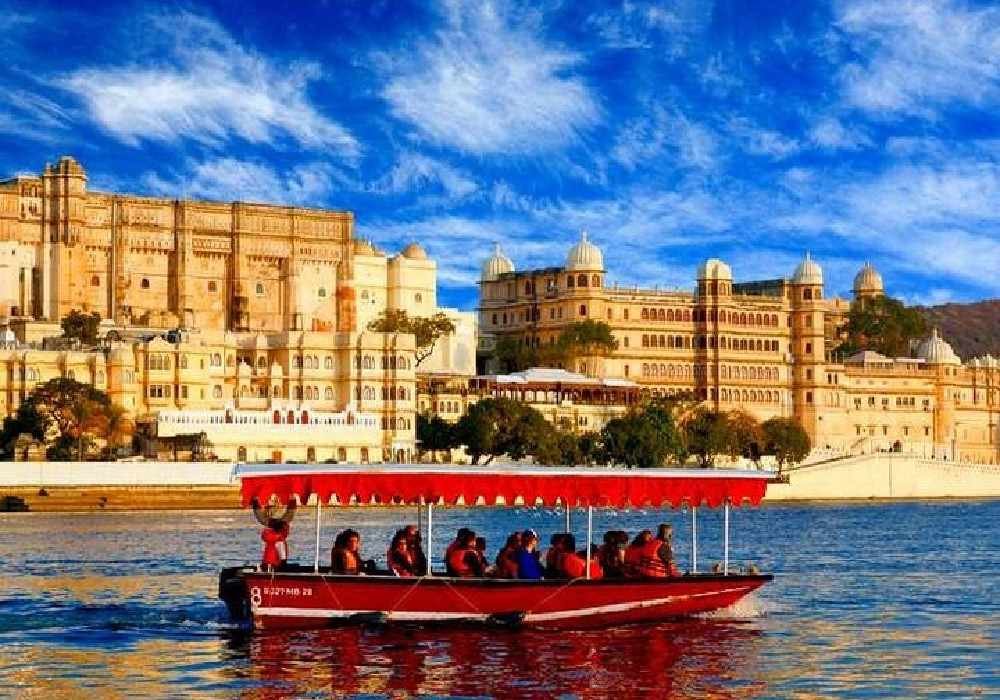
- Enjoy a boat ride on the picturesque Lake Pichola in Udaipur
- Visit royal palaces, forts, and vibrant local markets
- Comfortable hotel accommodation with daily breakfast
- Private air-conditioned vehicle throughout the journey
- Professional English-speaking guide
- Description
- Itinerary
- Reviews
-
Japanese Buddhism, in nearly all its major schools, traces its lineage back through China and Korea to a single point of origin in Bihar, and that connection isn't just historical trivia — Japanese Buddhist organisations have built and maintained their own temples in Bodh Gaya for decades, and Japanese pilgrims make up a steady share of visitors to the Mahabodhi Temple every year. For travellers flying out of Tokyo, this trip starts at that point of origin and then does something most itineraries don't attempt: it continues on into the very different, very royal India of the Taj Mahal, Amber Fort and Lake Pichola.
A Trip With Two Distinct Halves
The first half of this route moves through Bihar's Buddhist circuit — Bodh Gaya, Nalanda and Rajgir — sites tied directly to the Buddha's life and teachings, over 2,500 years old and still active as places of pilgrimage rather than preserved museum pieces. The second half shifts entirely into Mughal and Rajput India, covering the Taj Mahal, Amber Fort and Lake Pichola, three of the country's most recognisable monuments to royal power and romance. It's an unusual pairing, but one that gives travellers a far more complete sense of India's layered history than either half could on its own.
Bodh Gaya: The Mahabodhi Temple
Where the Buddha Attained Enlightenment
The Mahabodhi Temple marks the spot where Siddhartha Gautama is believed to have attained enlightenment under a Bodhi tree, and the current tree at the site, while not the original, is a direct descendant propagated from cuttings that trace back through Sri Lanka to the historical tree. The temple complex itself, a UNESCO World Heritage Site, dates back in various forms to the 3rd century BCE, making it one of the oldest brick structures still standing in India.
A Site Shaped by International Buddhism
Bodh Gaya's surrounding town reflects its status as a global pilgrimage site, with monasteries and temples built by Buddhist communities from Japan, Thailand, Bhutan, Tibet and beyond, each constructed in its own distinct architectural style. The Japanese temple here, built by Japanese Buddhist organisations, is often a point of particular interest for travellers from Tokyo, offering a familiar architectural language in an otherwise unfamiliar setting.
Nalanda: Ruins of an Ancient University
Nalanda's ruins, another UNESCO World Heritage Site, mark what was once one of the world's earliest residential universities, operating from around the 5th century CE until its destruction in the 12th century. At its peak, the university is believed to have housed thousands of students and teachers studying subjects ranging from theology to medicine, drawing scholars from as far as China and Central Asia. Walking through the excavated brick foundations of its monasteries and lecture halls gives a tangible sense of scale that's hard to get from historical accounts alone.
Rajgir: Hills, Hot Springs and the Buddha's Teachings
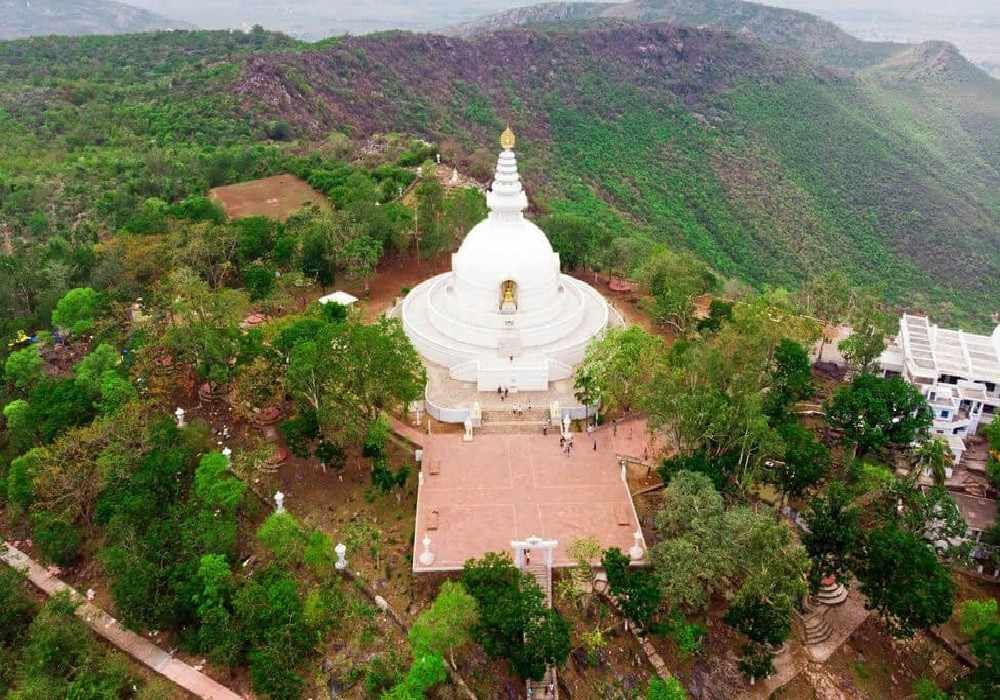
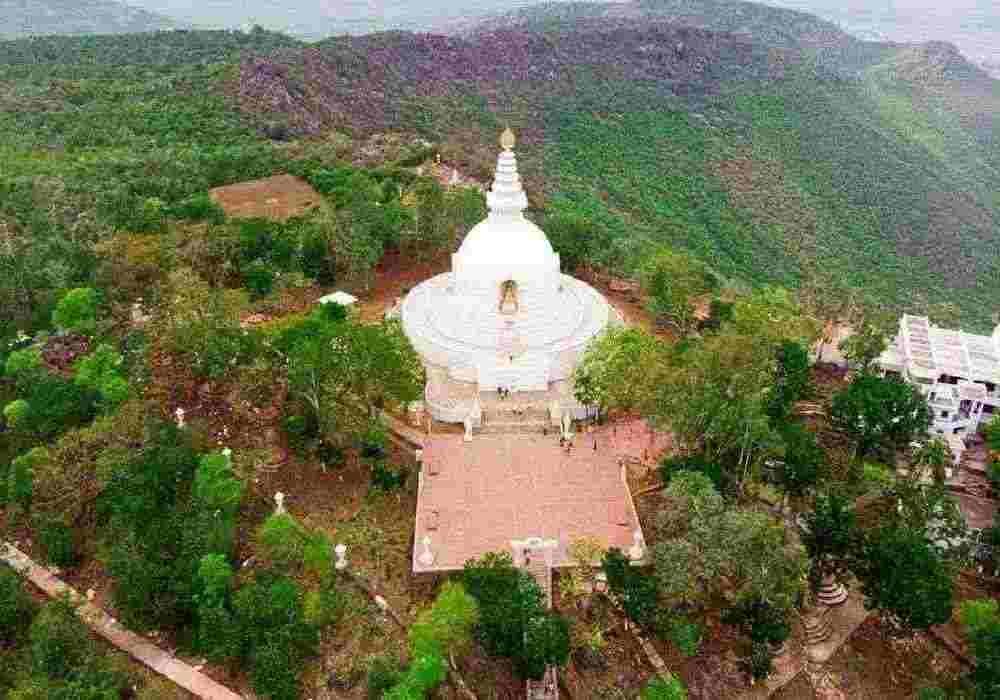
Rajgir, a short distance from Nalanda, holds particular significance as a place where the Buddha spent considerable time teaching, including at Vulture's Peak, a hill where several important sermons are said to have taken place. The town's natural hot springs, believed to have healing properties, add a different, more physical dimension to the visit, while a cable car ride up to the Vishwa Shanti Stupa, a modern peace pagoda built by Japanese Buddhist monks, offers views over the surrounding hills.
The Taj Mahal: Agra's Monument to Loss
Built between 1632 and 1653 by the Mughal emperor Shah Jahan in memory of his wife Mumtaz Mahal, who died during childbirth, the Taj Mahal remains one of the most precisely symmetrical structures ever built, with its white marble facade shifting in tone through the day — pale pink at sunrise, blinding white at midday, and golden at sunset. The scale of the undertaking, reportedly involving over 20,000 workers and craftsmen from across the Mughal empire and beyond, is easy to forget standing in front of something so widely reproduced in photographs.
Amber Fort: Jaipur's Hilltop Palace
Amber Fort's approach alone sets it apart, with the option of a jeep ride or an elephant ride up the hillside to the main gates, though the fort's interior is where the real detail lives — the Kesar Kyari Bagh, a saffron-shaped garden laid out below the fort walls, and the Sheesh Mahal, a hall of mirrors designed so that a single candle's light multiplies across thousands of tiny mirrored surfaces. A connecting tunnel links Amber Fort to nearby Jaigarh Fort, built partly as an escape route for the royal family in times of siege.
Lake Pichola: Udaipur's Floating Palace
Lake Pichola holds one of India's more unusual hotel stories — the Lake Palace, a white marble structure that appears to float on the water's surface, was built in 1746 as a royal summer retreat and now operates as a luxury hotel accessible only by boat. The lake itself was expanded under the direction of a royal minister in the 17th century, transforming what had been a smaller natural body of water into the scenic centrepiece Udaipur is now known for.
Moving Between Two Very Different Parts of India
It's worth being direct about the geography here: Bihar's Buddhist circuit and Rajasthan sit a considerable distance apart, and this trip typically connects the two via a flight through Delhi rather than any direct road route. We treat this as a natural pivot point in the itinerary rather than a rushed transition, and it also happens to work well logistically, since Delhi sits roughly between Bihar and both Agra and Rajasthan. October through March remains the most comfortable window for the entire route, with Bihar's Buddhist sites at their most pleasant slightly earlier in that window than Rajasthan's peak comfort period, so we'll help sequence the trip to make the most of both.
Two Chapters of the Same Country
Few trips manage to hold both India's spiritual origins and its royal architectural legacy within a single itinerary. This route does exactly that, moving from the place where Buddhism began to some of the most photographed monuments in the world. If that combination sounds like the trip you've been looking for, let us know your travel window from Tokyo and we'll start working out the details.
Package Inclusions
- Return airfare (Tokyo – Delhi/Gaya – Udaipur/Delhi – Tokyo)
- Airport transfers
- Accommodation in 3★/4★/5★ hotels
- Daily breakfast
- Private air-conditioned vehicle for transfers and sightseeing
- Sightseeing as per itinerary
- English-speaking guide at major destinations
- Toll tax, parking, fuel, and driver allowance
Package Exclusions
- Hotel taxes
- India Visa fees
- Travel insurance
- Lunch and dinner
- Monument entrance fees
- Boat ride charges (unless specified)
- Camera and video charges
- Personal expenses
- Tips and porterage
- GST/TCS (if applicable)
- Anything not mentioned under inclusions
Frequently Asked Questions About "Tokyo to Mahabodhi Temple Nalanda Rajgir Taj Mahal Amber Fort Lake Pichola Tour Package"
Is it common for Japanese travellers to visit Bodh Gaya specifically?
Yes, Bodh Gaya sees a steady flow of Japanese pilgrims and visitors each year, partly due to the presence of a Japanese-built temple within the complex itself.
How do we get from the Bihar Buddhist circuit to Agra and Rajasthan?
This is typically done via a flight connection through Delhi, since there's no practical direct road route given the distance involved.
Is the Bodhi tree at Bodh Gaya the original tree from the Buddha's time?
No, the current tree is a descendant propagated from cuttings with a documented lineage traced back through Sri Lanka, though it's grown at the same site regarded as sacred for over two thousand years.
Can we stay at the Lake Palace hotel on Lake Pichola as part of this trip?
Yes, this can be arranged as part of your accommodation, subject to availability, and it's a popular request given the hotel's unique setting.
Is Rajgir worth visiting if we're mainly interested in Bodh Gaya and Nalanda?
We think so — the Vishwa Shanti Stupa and Vulture's Peak add meaningful context to the Buddhist circuit, and the hot springs offer a different kind of experience from temple visits alone.
Is this trip suitable for travellers without any specific religious or Buddhist interest?
Yes, the historical and architectural significance of Bodh Gaya, Nalanda and Rajgir stands on its own, and the second half of the trip shifts entirely into a different, equally rich kind of Indian heritage.
-
-
Day 1
-
Day 2
Bodh Gaya Sightseeing
Breakfast Mahabodhi Temple Sacred Bodhi Tree Great Buddha Statue International Buddhist Monasteries Meditation and leisure time Overnight stay -
Day 3
Nalanda & Rajgir Excursion
Breakfast Visit Nalanda University Ruins Nalanda Archaeological Museum Vishwa Shanti Stupa Gridhakuta Hill (Vulture Peak) Return to Bodh Gaya or continue onward Overnight stay -
Day 4
Transfer to Agra
Breakfast Flight/train to Agra (via Delhi as required) Hotel check-in Evening at leisure Overnight stay -
Day 5
Agra to Jaipur
Sunrise visit to the Taj Mahal Explore Agra Fort Drive to Jaipur Hotel check-in Overnight stay -
Day 6
Jaipur Sightseeing
Breakfast Amber Fort Jal Mahal (photo stop) Hawa Mahal City Palace Jantar Mantar Local market shopping Overnight stay -
Day 7
Jaipur to Udaipur
Breakfast Scenic drive to Udaipur Hotel check-in Evening at leisure Overnight stay -
Day 8
Udaipur Sightseeing
Breakfast City Palace Jagdish Temple Saheliyon Ki Bari Boat ride on Lake Pichola (optional) Local handicraft shopping Overnight stay -
Day 9
Departure
Breakfast Transfer to Udaipur or Delhi Airport Return flight to Tokyo Tour concludes with unforgettable spiritual and cultural memories
-
Day 1
-
Similar Packages in Japan to Delhi Tour
![]() From ₹199,999 View Details
From ₹199,999 View Details![]() From ₹209,999 View Details
From ₹209,999 View Details![]() From ₹204,999 View Details
From ₹204,999 View Details![]() From ₹224,999 View Details
From ₹224,999 View Details
Other Tours in Delhi
![]() From ₹116,999 View Details
From ₹116,999 View Details![]() From ₹129,999 View Details
From ₹129,999 View Details